Why new machinery needs a clean paper trail
When a new unit lands in Durban, Cape Town or via inland road freight, Customs wants to see that the paperwork lines up with the machine itself. That means the supplier, buyer, description, values, origin and serial numbers must all make sense together. If one detail is missing or unclear, the entry can be stopped for queries, and that usually means delay, extra handling, and avoidable cost.
For importers in logistics, fleet, mining support and automotive operations, the issue is often not the machinery, but the paperwork attached to it. A press, compressor, generator, workshop lift or packaging line may be straightforward to ship, yet the file still needs the right documents for tariff classification, exchange control checks where relevant, and tax treatment.
The core documents every importer should prepare
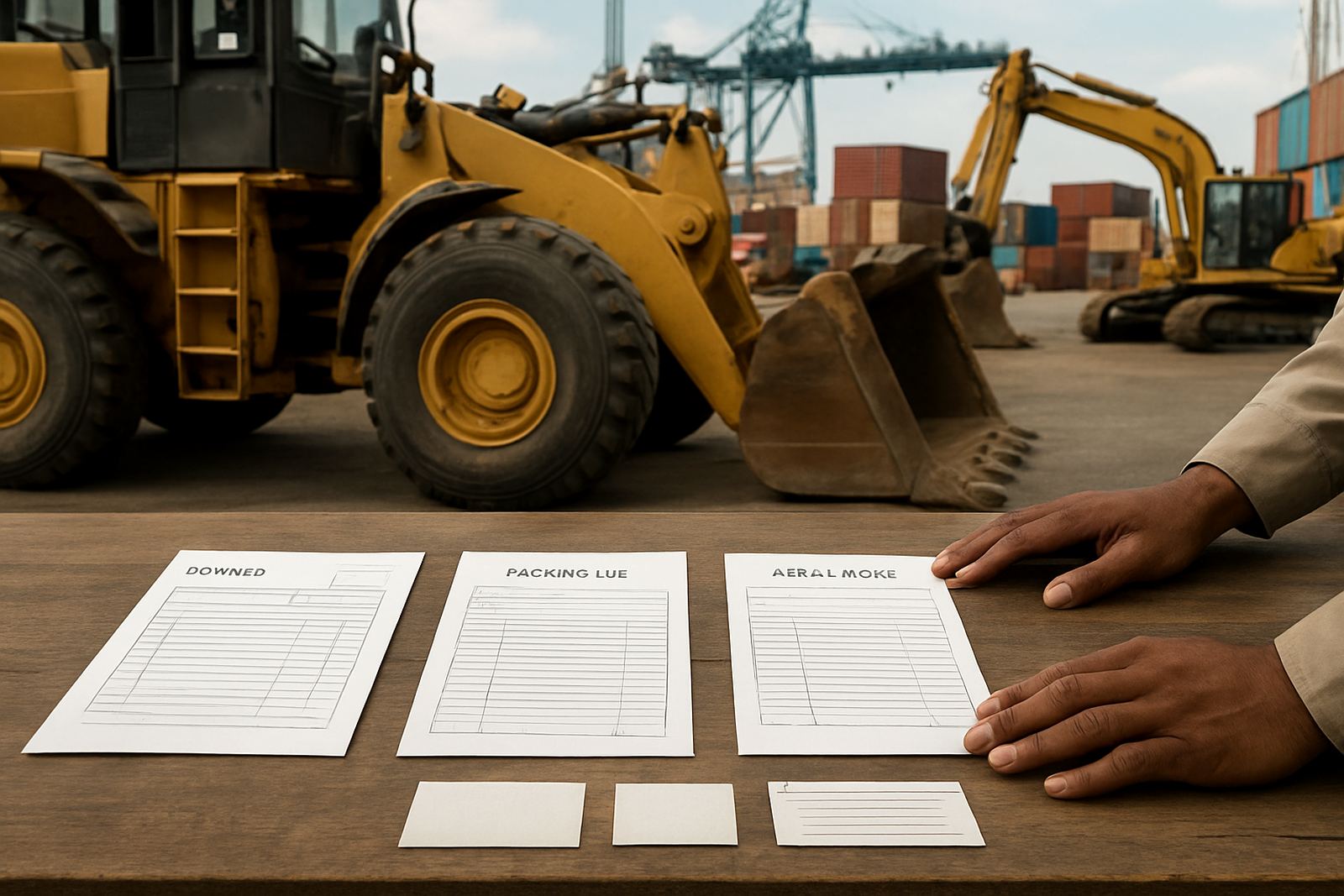
A solid document pack usually starts with the commercial papers. These are the first items a clearing agent checks before a vessel arrives or a truck crosses the border.
- Commercial invoice showing buyer, seller, currency, unit price and total value
- Packing list with dimensions, weight and package count
- Bill of lading or airway bill, depending on the mode of transport
- Purchase order or sales contract to confirm the deal terms
- Proof of payment or remittance advice where requested by the bank or clearing process
- Insurance certificate if cargo cover has been arranged separately
For new machinery, it helps if the invoice description is specific. “New hydraulic press, model X, serial no. 2248, country of origin Germany” is far better than “industrial equipment”.
Machine details Customs expects to see
South African Customs does not clear machinery on a vague description. The entry must support the tariff code and the duty or VAT position. That means the importer should have technical detail ready before the cargo reaches the port.
- Make and model, or at least a full technical description
- Serial numbers and year of manufacture if available
- Power rating, dimensions, weight and capacity
- Purpose of use, for example packing, lifting, cooling or pumping
- Any accessories, spare parts or control panels shipped with the main unit
- Whether the machine is self propelled, fixed, or mounted on a frame or trailer
This is where good tariff classification matters. A machine that looks similar to another may fall under a different code because of how it works, the material it processes, or whether it has an engine or electric drive. Retief Labuschagne and Fatima Cassim handle this type of check every day, because a wrong code can mean a reassessment later on.
Certificates and compliance papers that may apply
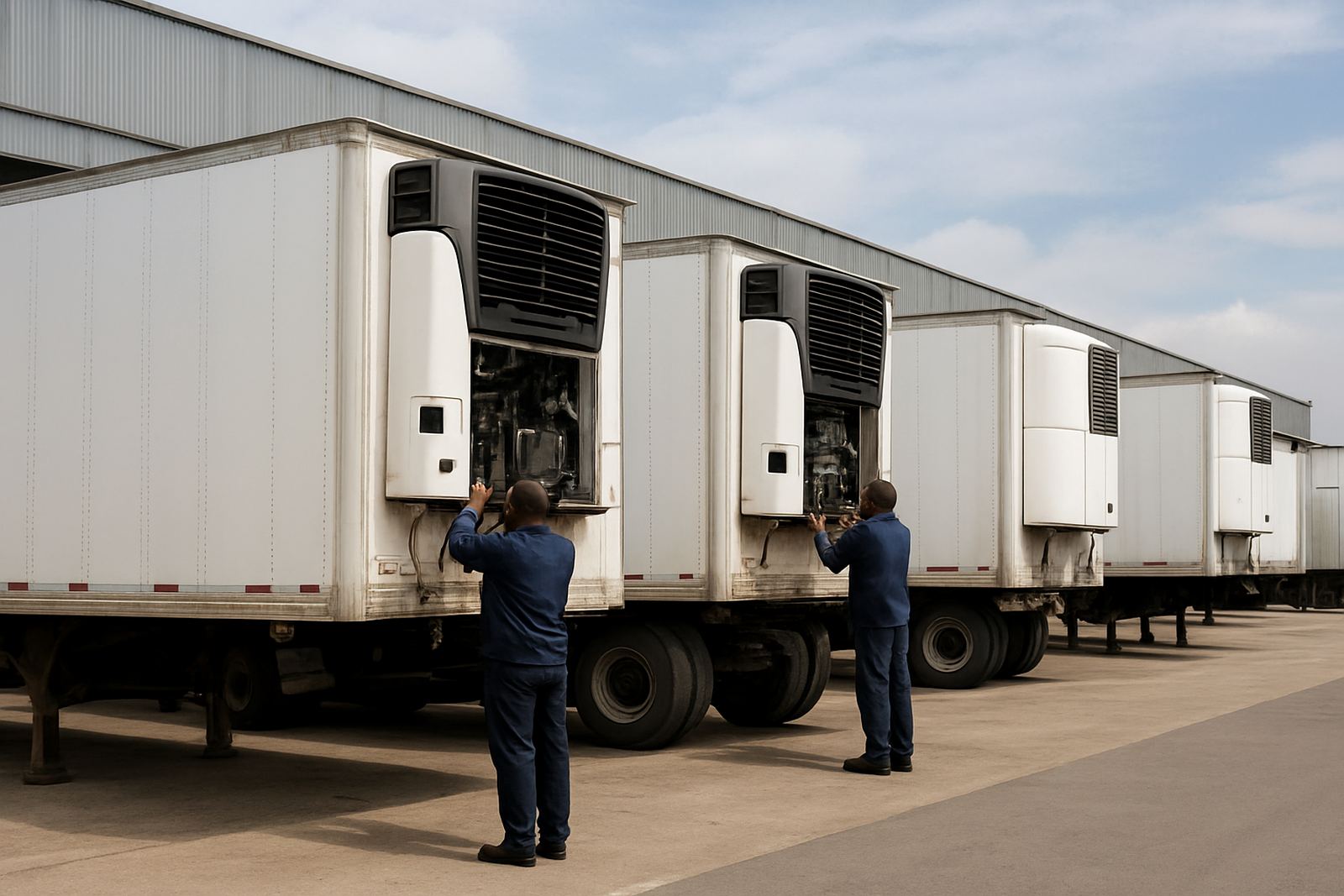
Not every new unit needs a special certificate, but some do. The right file depends on the machine type, the end use and whether it has electrical, pressure or fuel components. In a Durban harbour corridor job, for example, a buyer bringing in workshop equipment may need extra product details so the clearance is not held up for a compliance question.
- Certificate of origin, if requested by the buyer, bank or trade agreement process
- Technical spec sheet or product information from our supplier
- Test certificate for pressure vessels, lifting gear or safety related equipment
- Radiation, gas or environmental papers where the unit includes monitored parts
- Import permit or authorisation if the item falls under a controlled category
In practice, this is where many importers lose time. A machine may be fully paid for, but if the spec sheet is missing the type plate details, the clearing team has to go back to the supplier. That can take days, not hours.
How the pack changes by port, route and storage plan
The paper set is the same in principle, but the route affects what is needed next. Cargo landing at Durban Harbour may move to bonded storage in Umbilo or Springfield Park before final delivery. A unit arriving through Cape Town often needs tighter collection planning if it is headed inland, especially when trucks need timed access through Paarden Eiland or City Deep handover points.
For imports going to a project site in Jet Park or a fleet yard in the East Rand, the forward plan should show who will collect, where offloading happens and whether a crane or forklift is booked. If site offloading is part of the job, the delivery note should match the receiving address and contact person, not just the buyer’s head office.
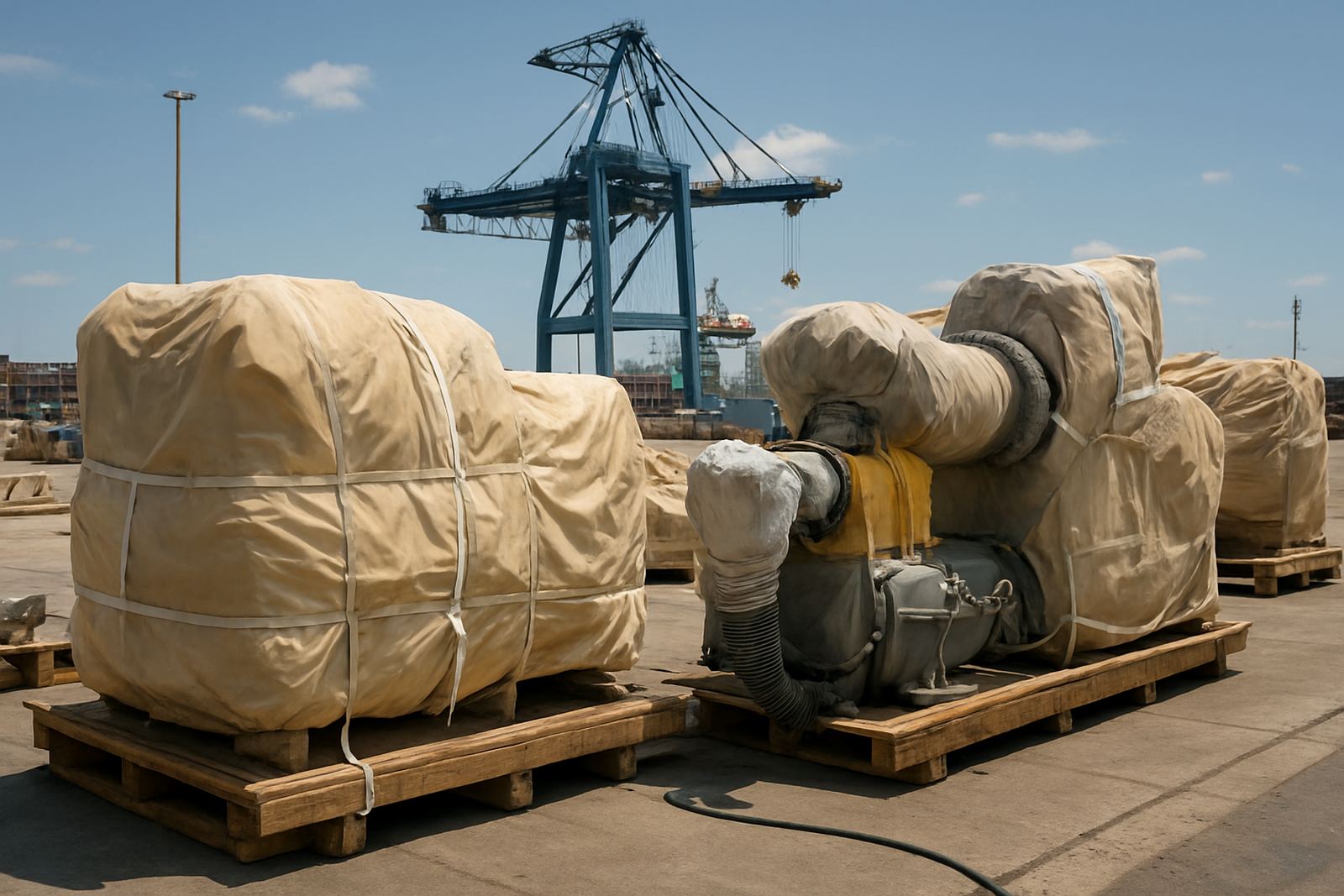
Load-shedding and coastal humidity also matter. Electrical units, control boards and motors should be packed and listed with proper protection notes, because damage claims are hard to support if the documents do not show how the cargo was packed and insured.
A Durban example from quotation to collection
A client in Umbilo orders two new tyre servicing machines for a workshop in Springfield Park. The supplier sends the invoice, packing list and bill of lading, but the description on the invoice is too broad and the serial numbers are missing. Before the vessel lands, the file is checked against the purchase order and the supplier is asked to confirm the model numbers and origin. That small fix avoids a query at port.
Once the entry is lodged, the cargo is kept under watch at the port, then released for collection. The inland truck is booked for the right day, the offload point is confirmed, and the unit reaches site without a second trip. It sounds simple, but that chain only works when the papers are ready before arrival.
Nomsa Dlamini usually reminds clients that the cheapest cargo is not always the one with the lowest freight rate. If the file is incomplete, storage, demurrage and extra handling can turn a neat deal into a costly one very quickly.
What to send before the shipment lands
To keep a new unit moving, send the clearing team the full set as soon as the supplier issues it. Early review gives time to fix errors, confirm the HS code, and plan port collection or bonded storage if needed.
- Invoice and packing list in final form
- Bill of lading or airway bill draft if available
- Full machine specs and serial numbers
- Buyer and consignee details, including VAT number where applicable
- Delivery address and contact person for the receiving site
- Any permit, certificate or compliance note linked to the unit
For importers moving equipment across South Africa or into neighbouring markets, the document pack is not admin for its own sake. It is the thing that keeps the shipment from sitting. A complete file means faster release, better planning and fewer surprises at the port gate.