Why phased fleet expansion works in South Africa
Buying or importing a full fleet in one go can tie up too much capital at once. That matters when diesel prices shift, interest rates bite, and clients are slow to settle invoices. A phased plan spreads the cost of shipping, customs, inland transport, and site preparation across several months, so the business can keep working while the fleet grows.
It also helps with real-world constraints. In Durban, a yard in Umbilo or Springfield Park may be ready for 3 units this month but not 15. In Jet Park or City Deep, access hours, security, and offloading equipment can also limit how much can arrive at once. Phasing gives you room to deal with municipal requirements, port delays, and any extra paperwork before the next consignment lands.
For companies in logistics, fleet management, and the automotive sector, this approach is practical. You can test the first batch, confirm fuel use, service intervals, and driver requirements, then decide whether the next arrival should be the same spec or adjusted. That reduces costly mistakes and gives your team space to learn the new equipment properly.
Map the cash flow before the first shipment leaves port
A phased rollout starts with a payment plan. Too many firms budget only for the purchase price and forget the extra layers: freight, marine insurance, customs duty, VAT, port charges, clearing fees, and inland haulage. When those costs all land in one month the strain can be heavy.
Break the total project into stages. A common approach is to budget for the first consignment, then hold back funds for the next phase once the initial units are in service and generating returns. This is especially useful when you are importing specialised trucks, trailers, forklifts, or support vehicles that need approval, registration, or fitment before use.
- Confirm the landed cost per unit, not only the overseas purchase price.
- Allow for storage if the yard is not ready on time.
- Build in a buffer for exchange rate movement.
- Keep funds aside for service items, tyres, or minor rework after arrival.
A phased plan should also match your payment terms with suppliers and clearing agents. If one shipment is late, the next one should not be forced through just because the supplier shipped early. Good planning keeps the money moving with the fleet, not ahead of it.
Prepare the depot before you scale up
One of the biggest mistakes is ordering more units before the depot is ready. If the parking layout is tight, the loading bay is weak, or the power supply is limited, arrival day becomes a problem. This is common in yards that are under pressure from load shedding, old surfaces, or limited turning space for bigger vehicles.
Before each phase, check the basics: ground strength, fencing, lighting, drainage, wash bay access, and security. Coastal humidity in Durban can also affect stored equipment, so ventilation and protective covers matter. In Cape Town, wind exposure near Paarden Eiland can cause its own handling issues, while inland sites in Johannesburg may have less corrosion pressure but higher theft risk.
If your fleet includes mixed units, separate them by operational use. Keep long-haul assets apart from city runners. Keep maintenance-ready stock close to power and tools. If there is bonded storage involved, confirm release timing and collection windows early so the next truck is not waiting at the gate. Small planning steps save big costs later.
- Measure turning circles and entry heights before delivery.
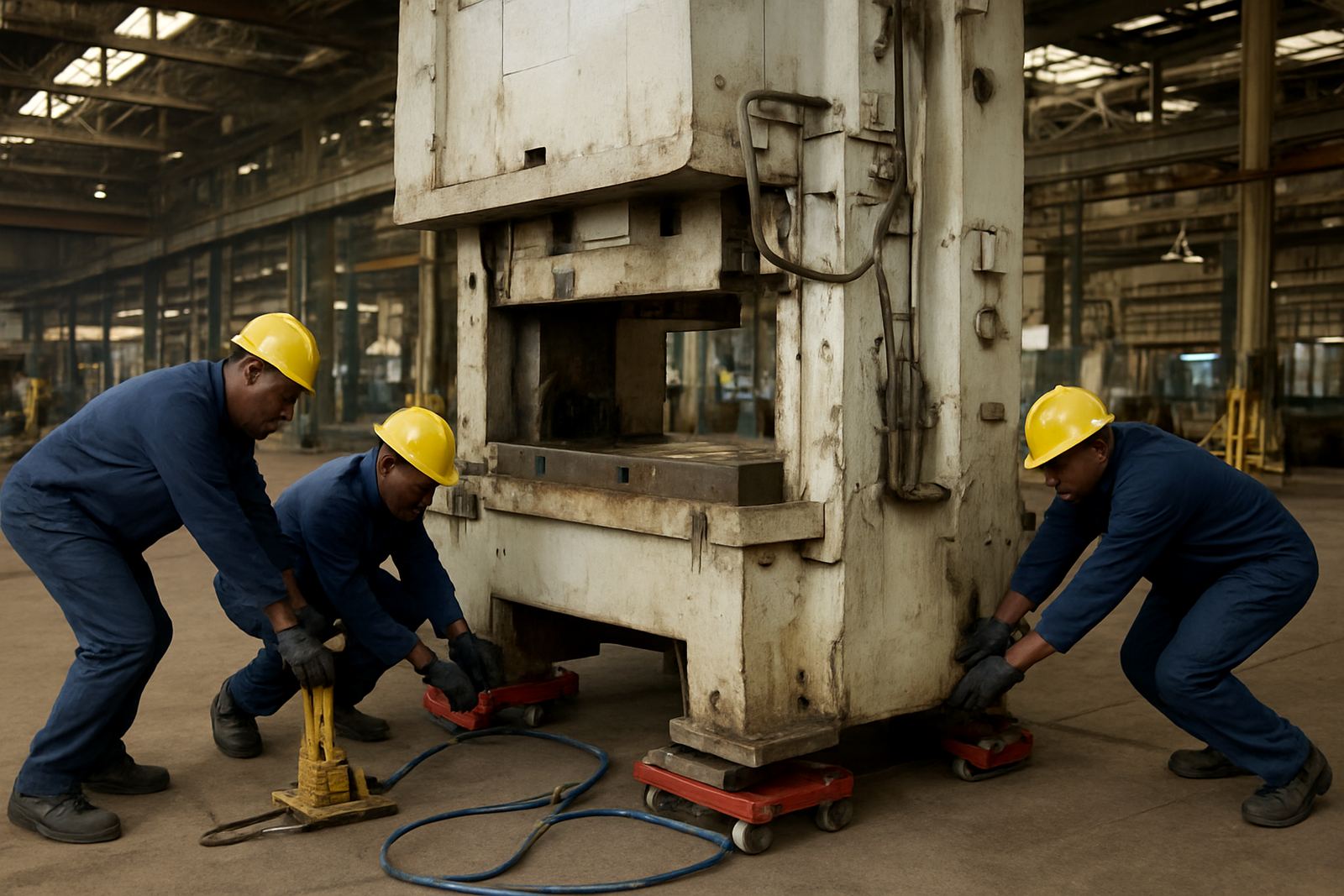
- Check if offloading needs a forklift, crane, or side-loader.
- Mark the yard by phase so each batch is tracked clearly.
- Confirm where fuel, spares, and documentation will be kept.
Use customs and transport planning to control risk
When machinery or fleet units arrive in phases, the paperwork must move with the schedule. Tariff classification should be checked for each line item, because a small description change can affect duty, VAT, or supporting documents. That is where document management and trade compliance become part of the rollout, not something handled after the vessel arrives.
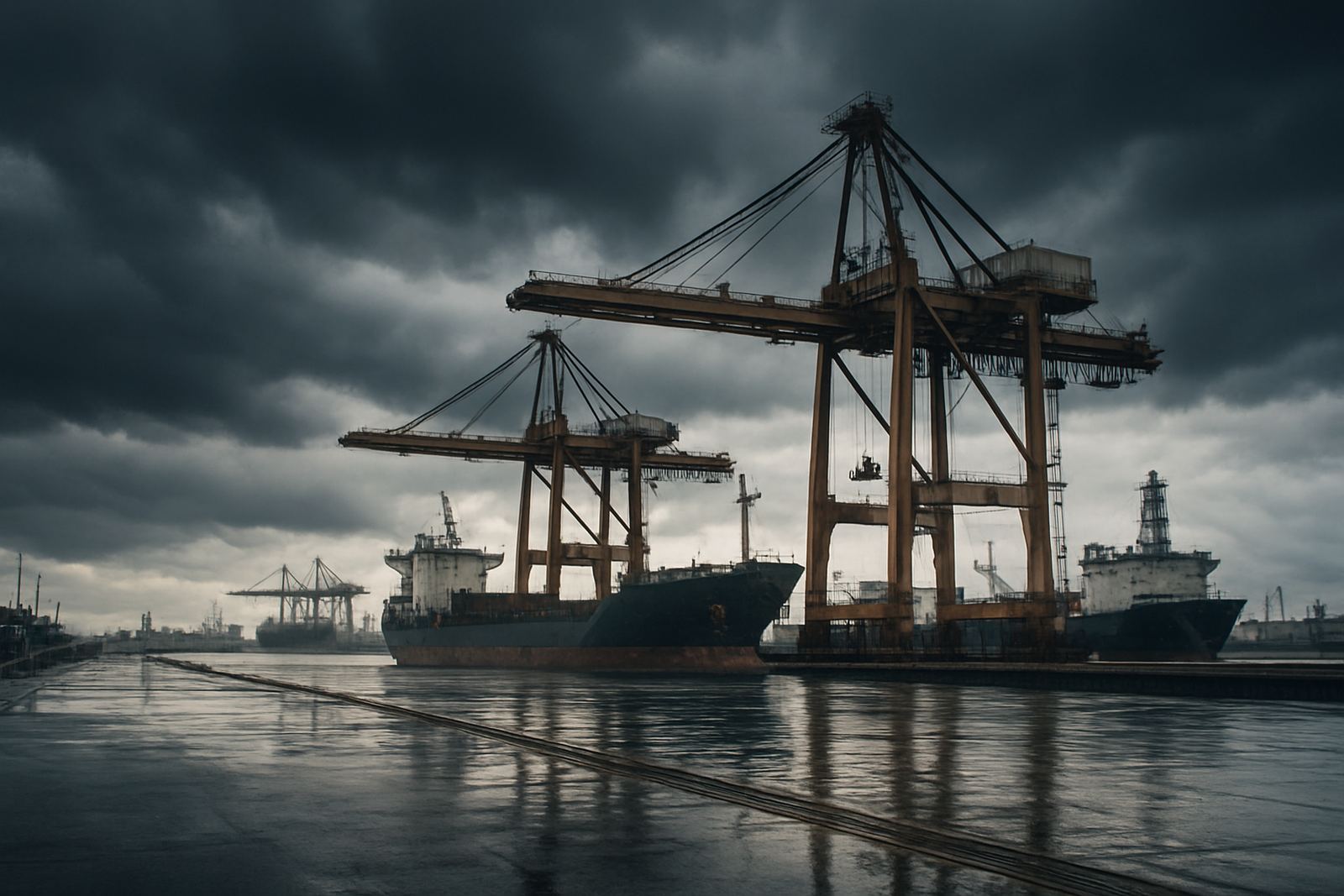
Phased importation also lets you adjust transport routes. A first batch may come through Durban harbour and move to a client yard in Umbilo or Springfield Park. The next batch might be sent inland to City Deep, or stored briefly in a bonded facility before final release. If you are opening a new depot, the first phase can test the route, delivery timing, and offloading sequence before the bigger shipment lands.
It is worth keeping one person responsible for each step: shipping coordination, customs clearing, inland transport, and site receiving. When too many people assume someone else has booked the truck or checked the permit, delays follow. Phasing makes accountability easier because the process can be reviewed after every arrival and corrected before the next one.
A Durban corridor example: growing a delivery fleet in stages
Consider a Durban-based operator in the freight sector that needs to expand from 6 to 18 vehicles. Instead of importing everything at once, the company splits the project into three arrivals of 4 units each. The first shipment is cleared through Durban, stored briefly in Umbilo, and sent to the workshop for inspection and branding. That gives the team time to train drivers, set service intervals, and check which routes need the most urgent capacity.
By the second shipment, the company has a better view of fuel use and maintenance pressure. Maybe the original parking area needs re-marking, or the loading crew needs a second forklift. The yard is adjusted before the third batch arrives, so the final phase fits into a system that is already working. Cash is not locked up in every vehicle at once, and the depot does not become overloaded.
This kind of rollout is also useful for coastal operators dealing with salt air and frequent stop-start work. If one phase reveals corrosion points, weak battery performance, or weak tyre wear patterns, those issues can be fixed in the next phase. That is much better than finding out after all the units are already on the road.
What to check before you release the next phase
Each phase should end with a short review. If the first batch was delayed at the port, find out why. If the collection bay was too tight, measure it properly. If the unit spec was not ideal for the route, change it before the next order. A phased plan should be flexible, not rigid.
Good review points include service capacity, fuel storage, driver induction, registration paperwork, and whether the depot can handle the next wave without overtime. If storage was needed, check whether the period was short enough to avoid extra charges. If cargo insurance was used, confirm that cover matched the actual route and handling method. Small details here make a big difference later on.
- Was the landed cost close to the original budget?
- Did customs and port release happen on the expected timeline?
- Was inland transport arranged with enough notice?
- Did the depot cope with offloading and parking without disruption?
The best phasing plans are built on actual results, not guesswork. Once the first consignment has proved the process, the next one becomes easier to schedule and far less risky.