Start with the machine’s actual function, not its trade name
HS codes are built around what a machine does in practice. A compressor, for example, is classified differently from a generator, a pump, or a packaging unit even when they sit side by side in the same factory. The first step is to ignore the sales description and look at the working function, power source, output, and how the unit is used on site.
We often see problems when a client sends only an invoice with a broad name like “industrial machine” or “processing equipment”. That is not enough for Customs. The classifier needs to know whether the unit moves product, cuts, fills, lifts, mixes, cools, or converts power. If the machine can do more than one job, then the principal function must be clear or the entry can be slowed down for queries.
In the Durban harbour corridor this matters a lot because port storage starts adding up quickly. A container that sits for a few extra days while the code is questioned can pick up avoidable costs. When the unit is heading inland to Jet Park, City Deep, or even a site in Springfield Park, the right code helps keep transport and release planning tight.
The technical sheet is worth more than a sales brochure
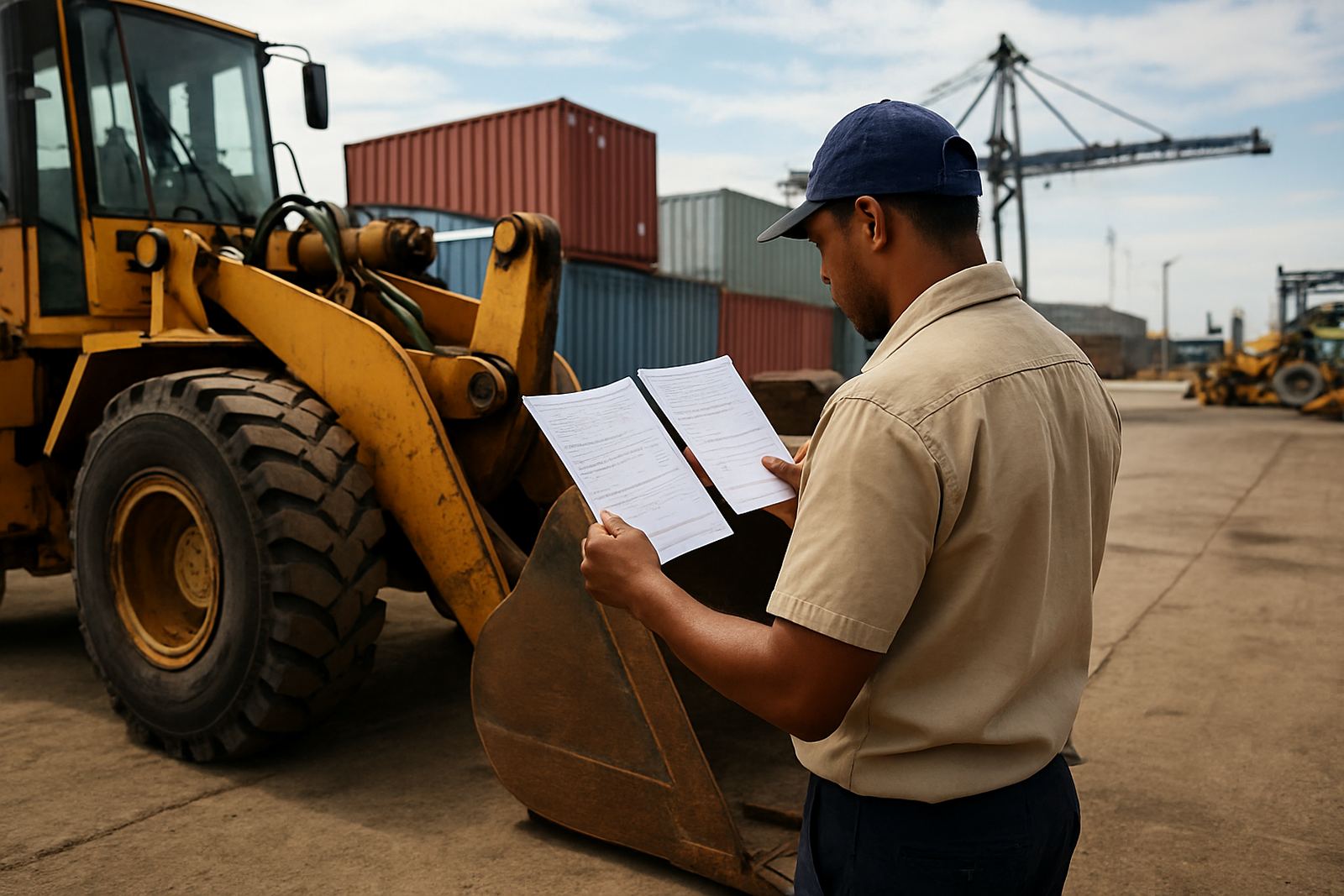
A good HS classification is supported by facts. The cleaner the technical description, the easier it is to defend the code if Revenue queries it later. Product brochures are useful, but they should sit beside drawings, manuals, and specification sheets that show the machine’s construction and operating limits.
- Power rating in kW or hp
- Voltage, phase, and frequency
- Output capacity per hour or per cycle
- Dimensions and mass in metres and kilograms
- Working principle and main components
- Whether the unit is new, used, refurbished, or incomplete
For machinery arriving through Durban harbour, we also ask for packing lists that clearly separate the machine from accessories, spare parts, and loose tools. If the shipment includes a control panel, motor, hoses, and a frame, those items may not all fall under the same tariff line. A neat paper trail helps avoid confusion at the clearing stage and supports the import planning done before vessel arrival.
Why similar-looking machines can land in different tariff headings
Two machines may look almost identical but class under different HS codes because of the way they are engineered. A machine used for food filling is not treated the same as a machine that seals cartons, and a self-propelled unit is not the same as a static one. Even within the automotive sector, a workshop lift, tyre changer, wheel balancer, and alignment rig do not sit in one basket just because they all assist with vehicles.
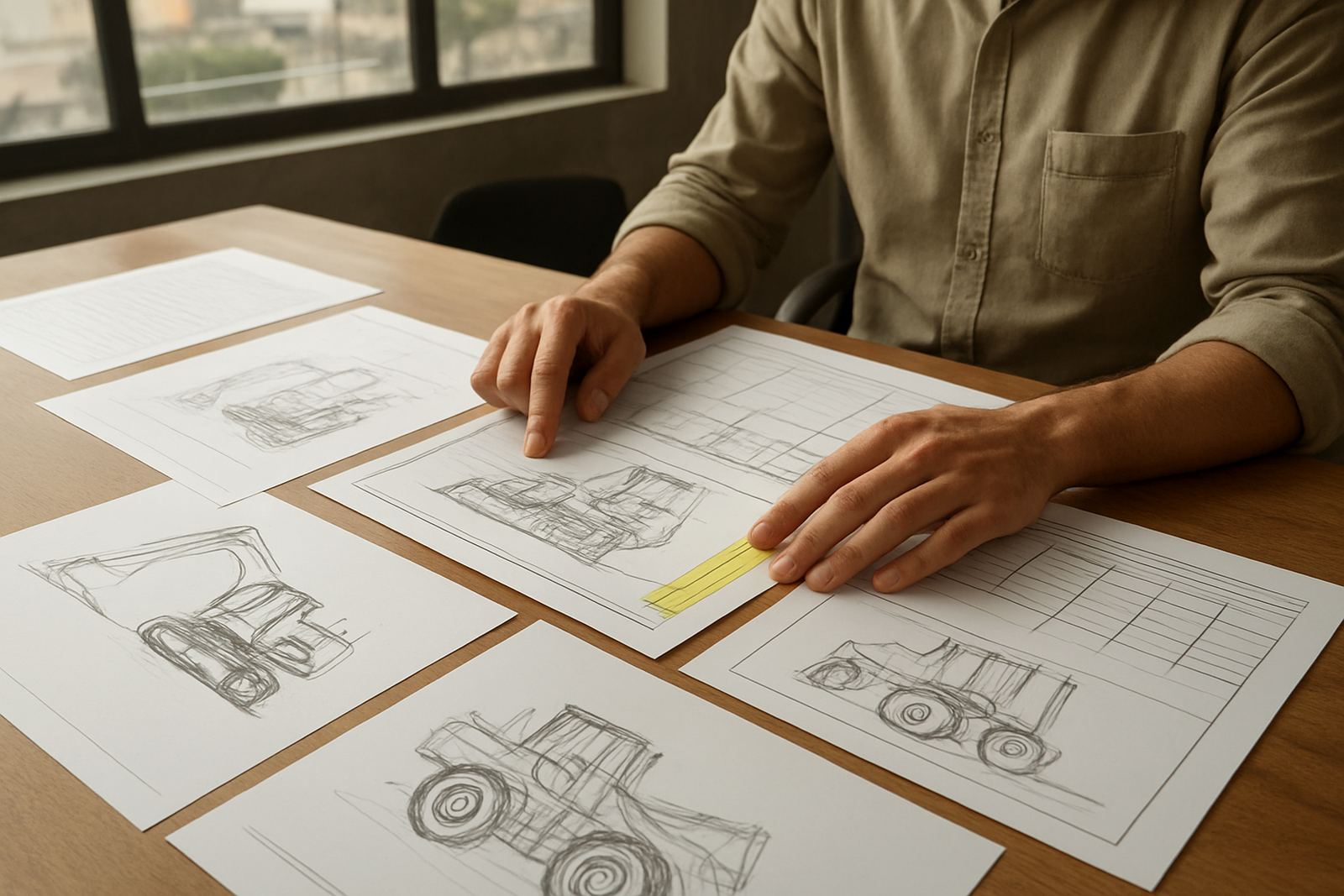
Here is the practical rule: classify the specific item, not the broad category. If the item has a special function then that function comes first. If it is part of a line, work out whether it is an individual machine, a component, or part of an assembly. This is where technical descriptions and photographs help, because a short supplier note can leave too much open to interpretation.
Misclassification can also affect duty, VAT treatment, permits, and whether a cargo description needs extra checking. That is why it pays to involve clearing and compliance early, before the goods leave the point of origin.
A Durban example from the harbour to the factory floor
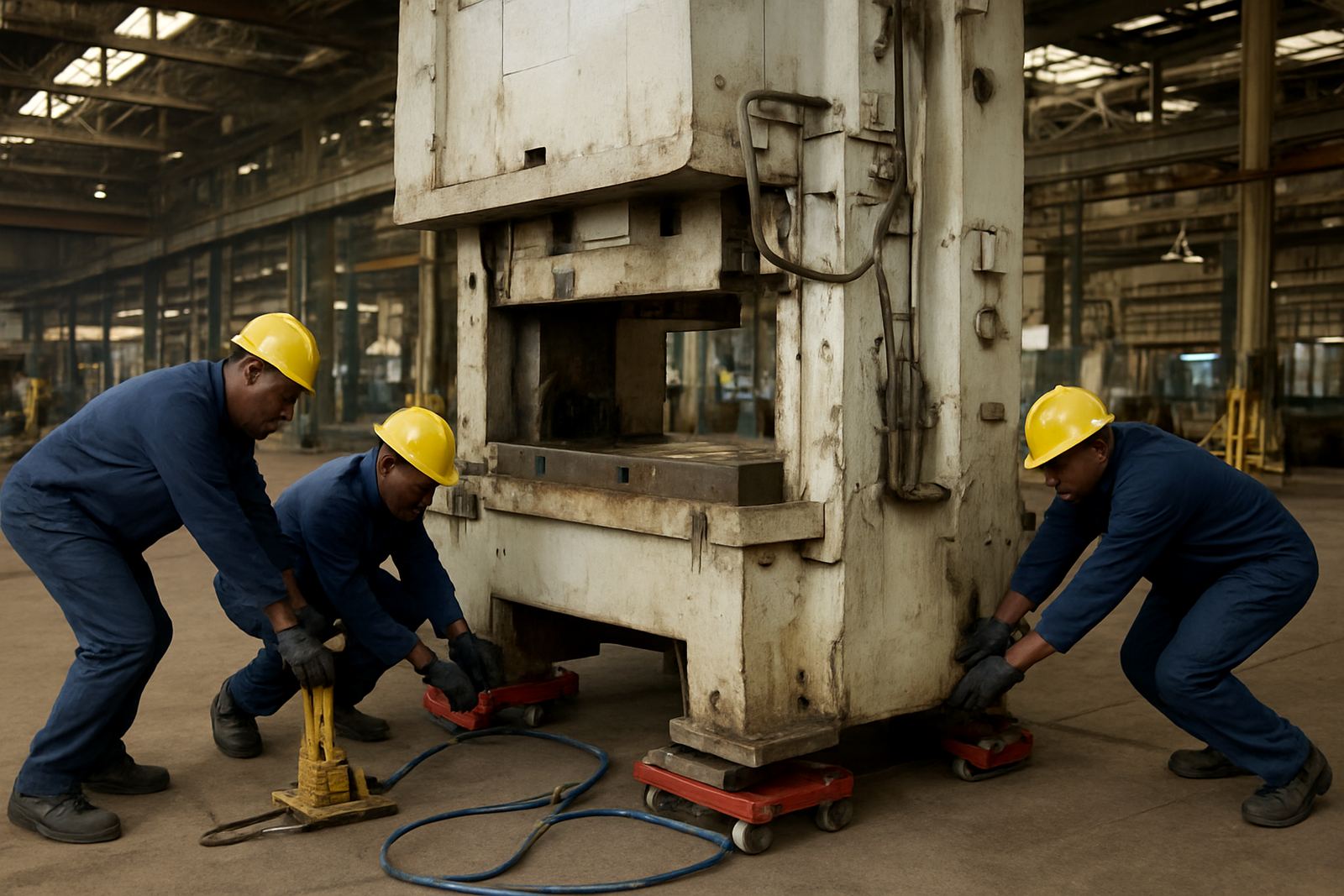
Say a client imports a set of hydraulic machines for fleet maintenance and wants them moved from Durban harbour to a workshop in Umbilo, then later to a site in City Deep. If the documents simply describe the goods as “maintenance equipment”, the clearing team still has work to do. We would ask for the technical sheet, power requirements, lifting points, and whether each unit is mounted or mobile.
Once the function is clear, the HS code can be checked against the specification and the supporting invoice wording. That allows the shipment to be planned for customs release, port collection, inland transport, and site offloading in one sequence. It also helps with cargo insurance because the insurer needs the real nature of the risk not a vague label.
In Durban, where humidity can be high and turn around times matter, getting this right before the vessel arrives saves real money. The same applies when cargo lands in Cape Town and must move through Paarden Eiland or into a bonded store before delivery.
What to send before your goods leave the port of loading
The earlier the documents arrive, the easier it is to classify correctly. Many delays come from missing detail rather than from a difficult tariff line. If we can review the paperwork before shipment, we can often spot gaps and ask for clarification while the cargo is still on the water.
- Commercial invoice with a precise machine description
- Packing list showing each item and quantity
- Technical brochure or manual
- Serial numbers where available
- Country of origin and year of manufacture
- Photos of the machine from more than one angle
We also recommend noting whether the machine is for logistics, fleet, production, or automotive use. That helps with both tariff classification and site planning. If the cargo will need bonded storage, offloading gear, or a lowbed truck, those details should be known before release day.
When to ask for a second look on classification
Some entries are straightforward. Others need a second opinion, especially where a unit has multiple functions, imported parts, or incomplete assembly. If the machine is refurbished, modified, or built from several modules, the usual heading may not fit cleanly. That is where a careful review protects the client from avoidable rework.
Ask for a second look if the supplier description is vague, if the machine performs more than one job, or if the unit arrived without a full manual. It is better to query the code before entry than after a warehouse note or customs request. Good classification is not about guessing, it is about proving the function with the right technical backing.
At Machines Africa Hub, our team in Durban, Jet Park, and Cape Town works with import planning, customs clearing, and document control together so the code chosen at the start matches the cargo on the truck at the end. That is the difference between a clean release and a week of avoidable back and forth.