Why release is only the halfway point
In the Durban harbour corridor, release from customs does not mean the machine is ready to earn money yet. It still needs the right truck, the right people on site, and the right paperwork linked to the final delivery. If you miss that window, cargo can sit longer than planned and storage, truck detention, or rehandling costs can climb fast.
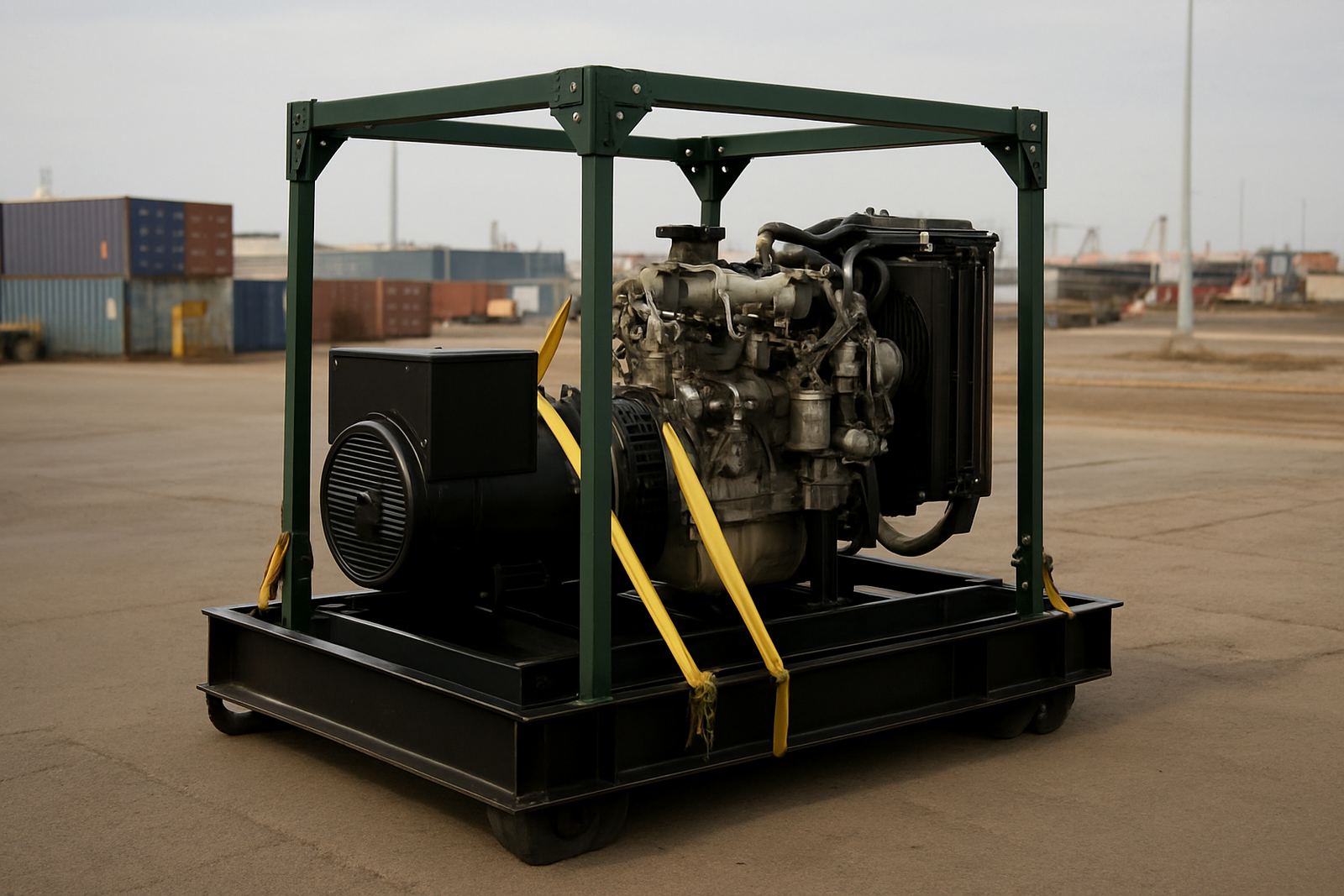
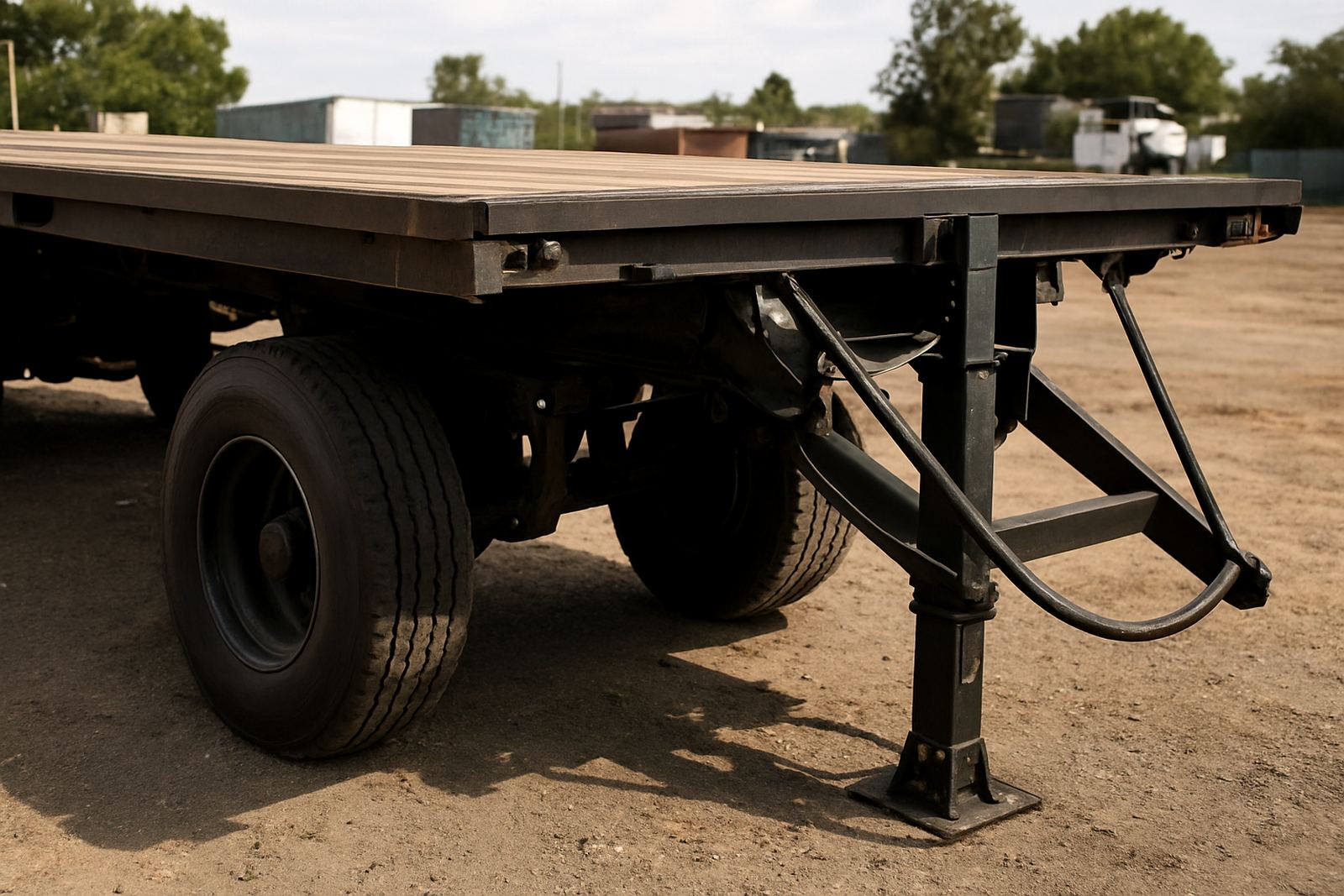
For importers in Umbilo, Springfield Park, Jet Park, City Deep, and Paarden Eiland, the practical issue is simple: once the release note lands, every hour matters. A low-bed, flatdeck, or tautliner has to match the cargo size, weight, and loading point, and the driver must know whether the site can accept offloading by crane, forklift, or ramp. It sounds basic, but that is where many delays start.
- Confirm the release number and cargo details before you book transport
- Check the delivery site for access, turning space, and offloading equipment
- Keep one person responsible for updates between the depot, transporter, and client
Book transport before the release line goes cold
Transport should already be pencilled in before customs clears the consignment, especially when the cargo is oversize, high value, or time sensitive. In practice, that means you need a pickup plan, a backup truck if the first unit fails inspection, and a clear contact list for the harbour, transporter, and consignee.
In Durban, port traffic, weather and shift timing can change a same day move into a next day move very quickly. Coastal humidity also matters for machinery standing on the back of a truck or in an open yard, so packaging and tarping should not be treated as a small detail. A client in the automotive sector may need parts in Jet Park by morning, while a fleet operator in Umbilo may be waiting on one unit to keep vehicles on the road and avoid downtime.
Check condition before the equipment leaves the corridor
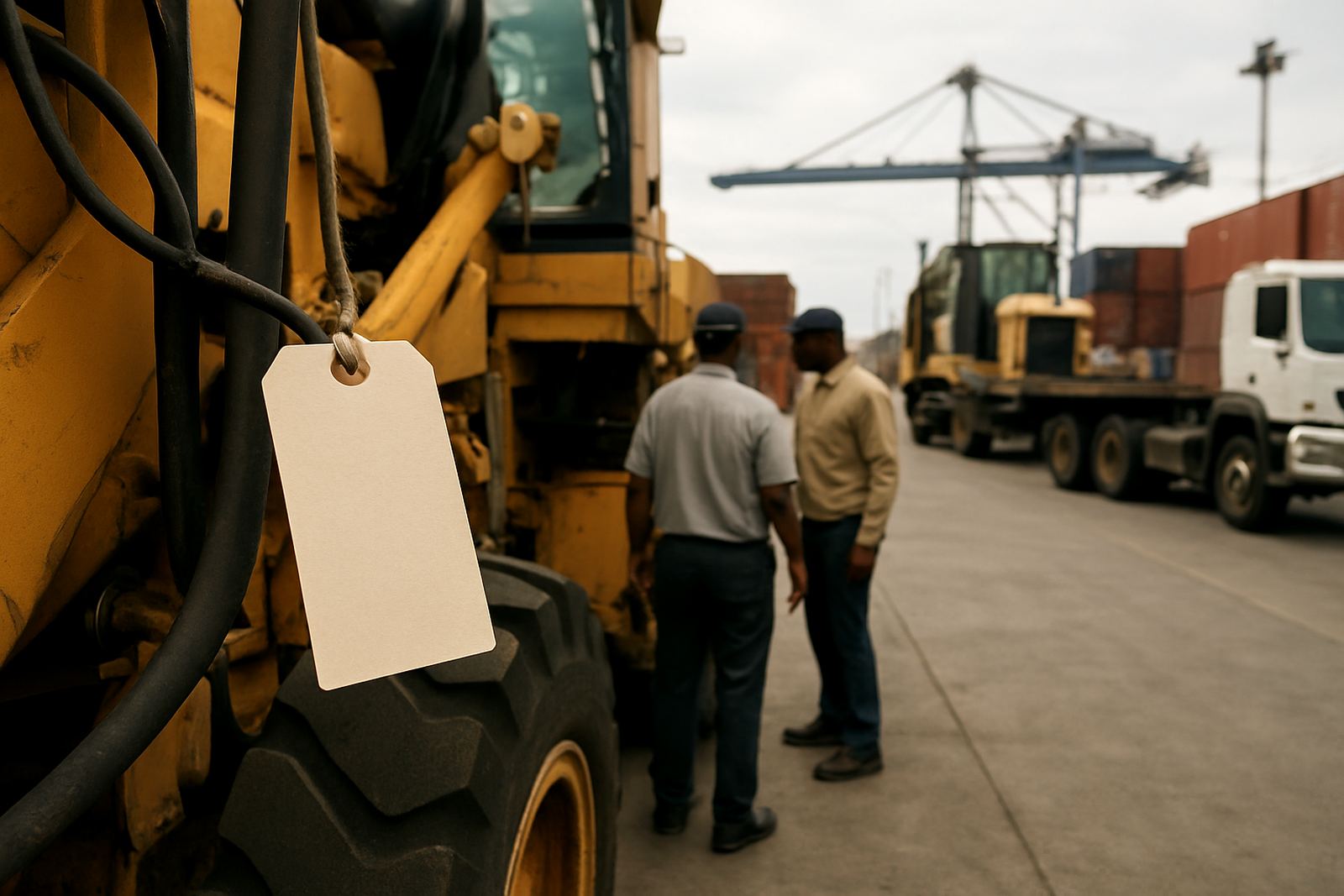
Condition checks should happen as soon as the cargo is released and before the truck leaves the port area or bonded facility. That check must compare the released cargo against the packing list, marks, serial numbers, seals, and visible condition. If there is denting, water staining, broken straps, or missing accessories, it must be recorded immediately.
A clean handover saves arguments later. Take photos from multiple angles, note the time, and make sure the transporter signs off on what was collected. If there is a discrepancy, do not let the truck roll out first and sort it later. That usually ends with a claim that is slower and messier than it needs to be.
- Verify serial numbers, model references, and loose items
- Photograph the cargo before loading and after loading
- Record seal numbers and any visible damage on the release note
This is also the point where insurance detail matters. If the policy requires immediate notification for damage or loss, the window can be very short. Good document control now can save a long dispute later.
Use the right route, not just the shortest one
Once the cargo is on the road, route planning is just as important as the truck itself. Some loads can move straight through to the client site, while others need a stop at bonded storage, a staging yard, or a warehouse with proper offloading gear. A machine may be released in Durban but delivered inland under different timing pressure because of permit conditions, road restrictions, or site operating hours.
For example, a compressor collected near the harbour may need to reach a workshop in Springfield Park before 16:00 because the site closes at 16:30 and the forklift operator leaves earlier. If the load then sits overnight in open storage, it is exposed to theft risk and weather. The shortest route is not always the safest route.
Good inland planning also helps with load-shedding. If the destination relies on electric cranes, dock levellers, or lighting for night receiving, the delivery slot needs to fit the site’s backup power arrangements. That detail is easy to miss until the truck is already at the gate.
Make delivery confirmation part of the job
Delivery confirmation should close the loop, not just fill a file. The driver, receiving clerk, or site supervisor needs to confirm what arrived, where it was placed, and whether there were any issues on arrival. A signed proof of delivery, photos at offload, and a quick note on the condition of the cargo give everyone a record they can rely on.
Many disputes happen because a client says the unit arrived late or incomplete, while the transporter says it was delivered as released. A proper confirmation process removes that gap. In our experience, one missing signature or unclear timestamp can hold up payment and cause unnecessary back-and-forth for days.
- Confirm date, time, location, and receiving person on site
- Match delivery notes to the release and transport documents
- Send final confirmation to all parties
A Durban example that shows why timing matters
A machinery client in the Durban harbour corridor once had a compact production unit released early on a Friday. The transport booking was made, but the receiving site in City Deep had a short offloading window and limited space for turning trucks. Because the delivery was not confirmed against the site plan, the truck arrived after the receiving team had already stepped off shift. The unit then sat in transit longer than expected and the client had to pay extra storage and a second handling fee.
If the route, offloading method, and delivery proof had been lined up at release stage, the move would have been quicker and cheaper. That is the value of planning after release: less waiting, fewer claims, and less pressure on your team when the cargo is already out of customs. It keeps the job moving instead of dragging on.
For importers moving through Durban, Johannesburg, or Cape Town, the after-release stage is where small choices become real costs. The cleaner the handover, the easier the next move.
How Machines Africa Hub keeps the handover tight
Machines Africa Hub handles the steps that still matter after release, including transport booking, customs follow-up, inland movement, bonded storage, and site offloading. Based in Umbilo with clearing support in Johannesburg and Cape Town, the team works across Durban, Springfield Park, Jet Park, City Deep, and Paarden Eiland for businesses that need proper control after the cargo has cleared.
Sibusiso Ntuli and the team work with freight, fleet, and automotive clients who need clear updates and practical timing. That means one contact for the release papers, one for the truck, and one for delivery confirmation, so the load does not get lost between the harbour and the site. Contact form