

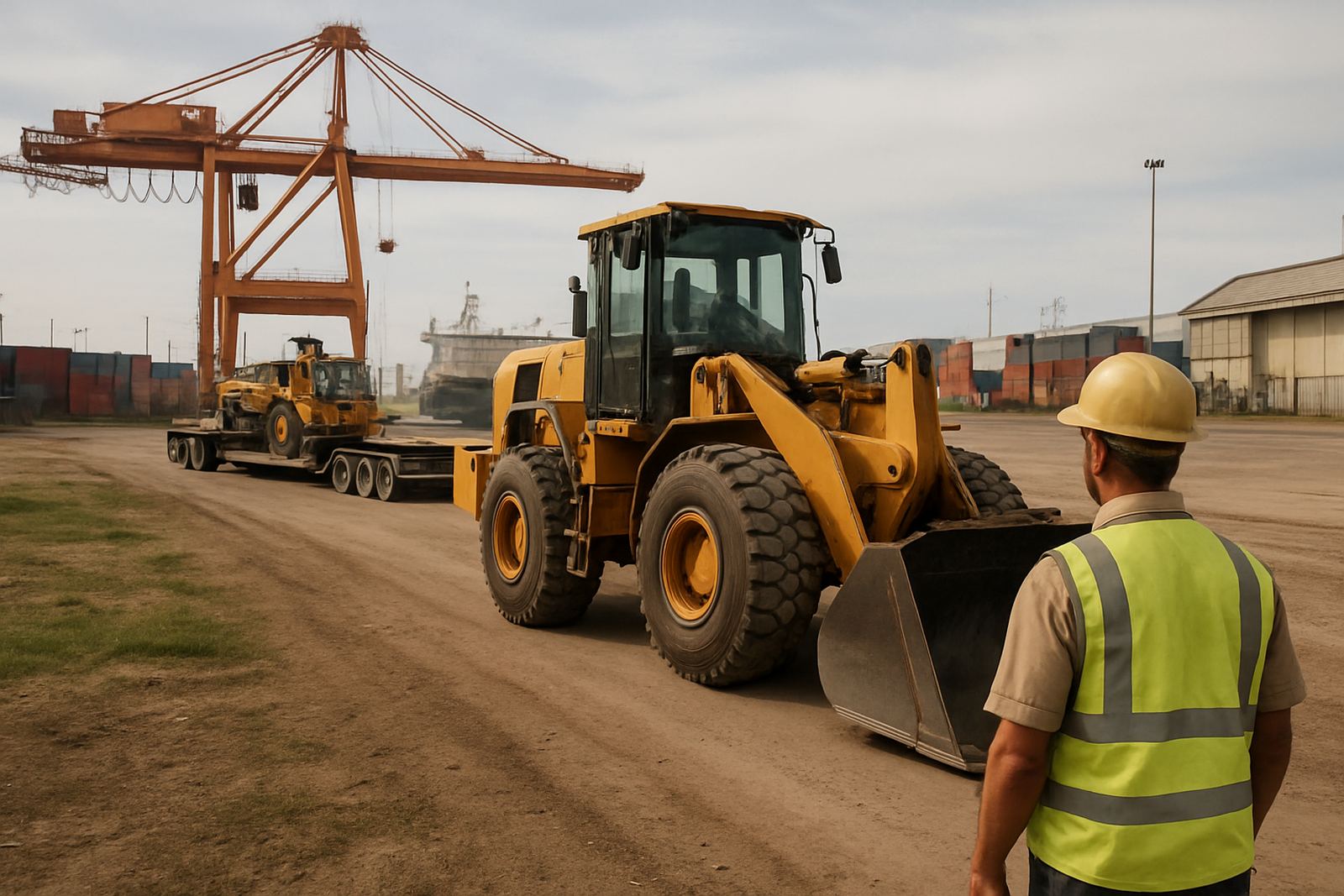
Book the delivery window before the cargo lands
Start with the planned discharge date, cargo details, and the site address. For machinery moving through Durban, Johannesburg, or Cape Town, the best bookings are made before the vessel arrives so the truck, driver, and offloading team are already lined up. That matters when storage charges start to climb and the site only allows a short receiving window.
Send us the packing list, invoice, bill of lading, and any special handling notes. If the unit is oversize, sensitive to moisture, or needs a crane, tell us upfront. We then match the collection plan to the load type and the road route, whether the cargo is moving to Umbilo, Springfield Park, Jet Park, City Deep, or Paarden Eiland.
What we need from you to confirm the booking
A clean booking starts with the right details. Missing one document can hold the truck at the gate or delay release at the port, so it is worth checking before you send the request. Our clearing and transport teams work together, which helps cut down on back-and-forth messages and last minute changes.
- Commercial invoice and packing list
- Bill of lading or sea waybill
- Importer details and contact person on site
- Delivery address, gate rules, and offloading hours
- Machine dimensions, weight, and any lifting points
- Insurance instructions if cover is required in transit
If you are booking for a fleet workshop, plant room, or depot with limited access, mention turning space, overhead cables, and floor loading. Those small details matter more than most clients expect.
Port collection timing in Durban, Johannesburg, and Cape Town
Port collections have to fit around terminal release times, truck availability, and traffic on the main freight corridors. In Durban, weather and congestion around the harbour corridor can shift collection times without much notice. In Johannesburg, it is often the gate bookin and yard access that decides the final slot. Cape Town collections need close attention to wind, coastal humidity, and local traffic near the port and storage yards.
We confirm the collection window, arrange the vehicle type, and coordinate with the relevant clearing process before dispatch. If the load is going into bonded storage first, or needs to wait for a permit, we keep the booking open only where it makes sense and advise you on the next step.
- Same-day release depends on customs status and terminal approval
- Oversize loads may need escorts or restricted travel hours
- Weekend collections need prior confirmation from the yard or port
- Rain, wind, or load-shedding can affect crane and dockside activity
Inland transport that matches the machine and route
Not every machine should move on the same truck. A palletised motor can travel differently from a lathe, compressor, generator, or vehicle part shipment. We choose the transport method based on weight, footprint, road access, and offloading method at the destination. That saves damage, extra handling, and unplanned transhipment.
For inland transport, we can move cargo from Durban to Gauteng, the Eastern Cape, or North West industrial areas. If the load has to pass through municipal routes with height limits or restricted entry times, we plan around those rules before the truck leaves. That is especially important for sites close to schools, residential zones, or busy retail streets.
Site offloading windows and receiving rules
Site offloading works best when the receiving team, driver, and equipment are all on the same page. We confirm whether the site has a forklift, crane, loading bay, or only manual access. If the machine has to be pushed into position, we arrange enough labour and leave a clear instruction set for the crew.
Some sites allow early morning receiving, others only after 08:00 or once security has opened the gate. Industrial parks in Springfield Park, Jet Park, and City Deep often have stricter access controls than clients expect. Coastal depots in Paarden Eiland can also be affected by fog or damp conditions that slow down handling. When that happens, we work the schedule rather than forcing the booking.
- Confirm who signs for the cargo on arrival
- Check if the site needs a booking reference at the gate
- Tell us if offloading needs a tail lift, crane, or ramp
- Send a backup contact number in case the driver gets delayed
How to change a booking without losing time
Plans change. A machine may clear later than expected, the client may not be ready, or the site may push the receiving time back by a day. The key is to let us know early so we can adjust the transport plan before costs start building. A late change can mean extra storage, re-booking fees, or a missed port release.
If you need to move a booking, send the new date, the reason, and whether the cargo is still at the port, in bonded store, or already on route. We will update the transport instruction and confirm the next slot. For urgent movements, we can also look at split collection or staged offloading where the site cannot take the full load at once.
Who handles your booking at Machines Africa Hub
The delivery booking process is managed from our Durban base in Umbilo, with clearing counters in Johannesburg and Cape Town supporting inland movements. Sibusiso Ntuli oversees the operation, while Tumisang Mahlaba coordinates transport flow, Retief Labuschagne handles the clearing side, Nomsa Dlamini keeps clients updated, Luthando Mchunu manages fleet movements, and Fatima Cassim checks the trade compliance details. That team setup helps keep the booking tied to the paperwork, not just the truck.
New bookings and schedule changes need the shipment details, site address and preferred date. We will come back with the collection plan, the likely timing, and any documents still needed before release. A clean handover saves time at the port and at the gate, and it keeps your operation moving.