What information do you need before we move a machine?
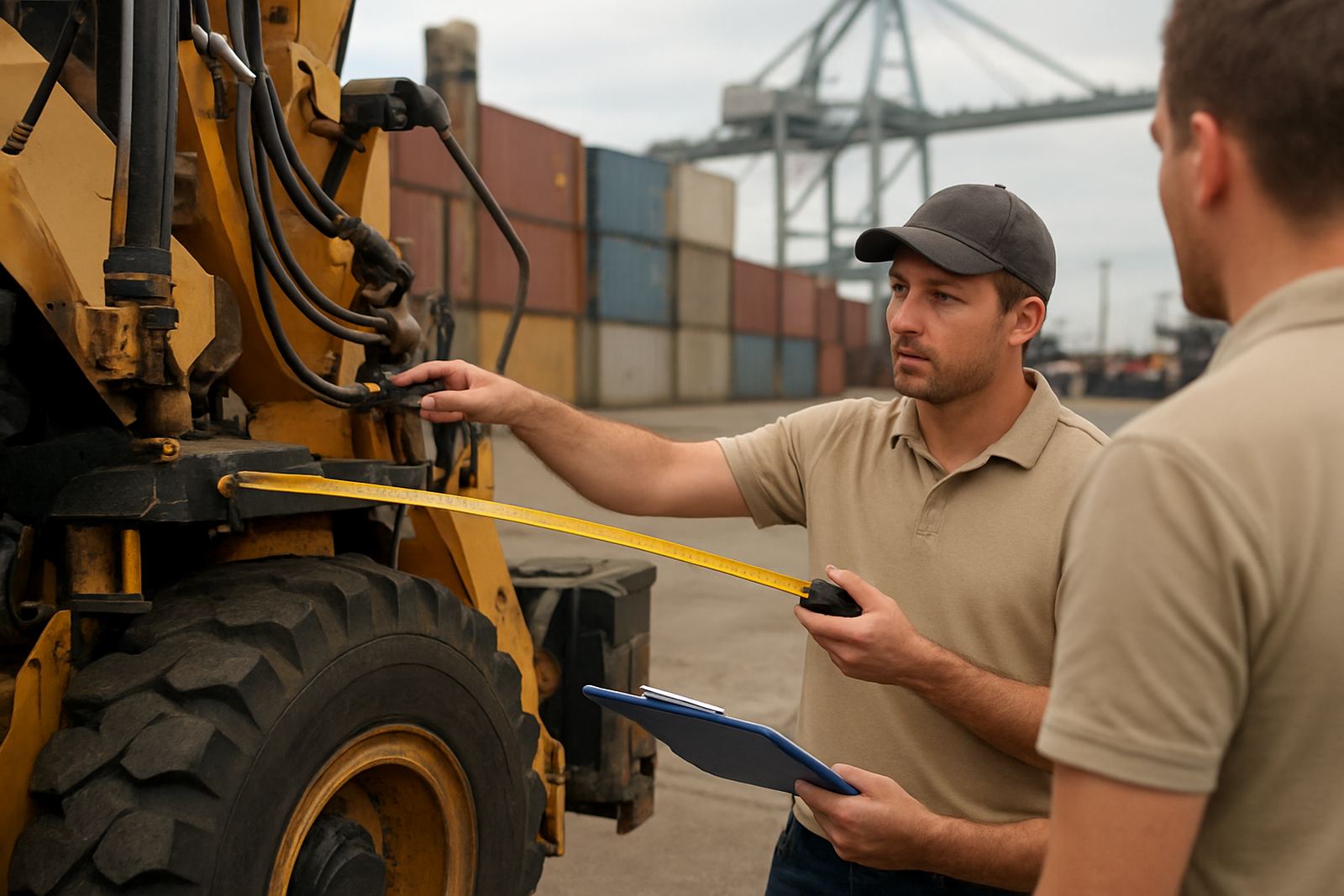
Start with the basics: machine type, make and model if available, serial number, weight, dimensions, and the loading point on the export side. We also need the South African delivery point, whether that is a factory in Durban, a warehouse in Jet Park, or a site in Paarden Eiland. If the unit is used, damaged, crated, or not self-propelled, say so early because it changes the planning and the paperwork.
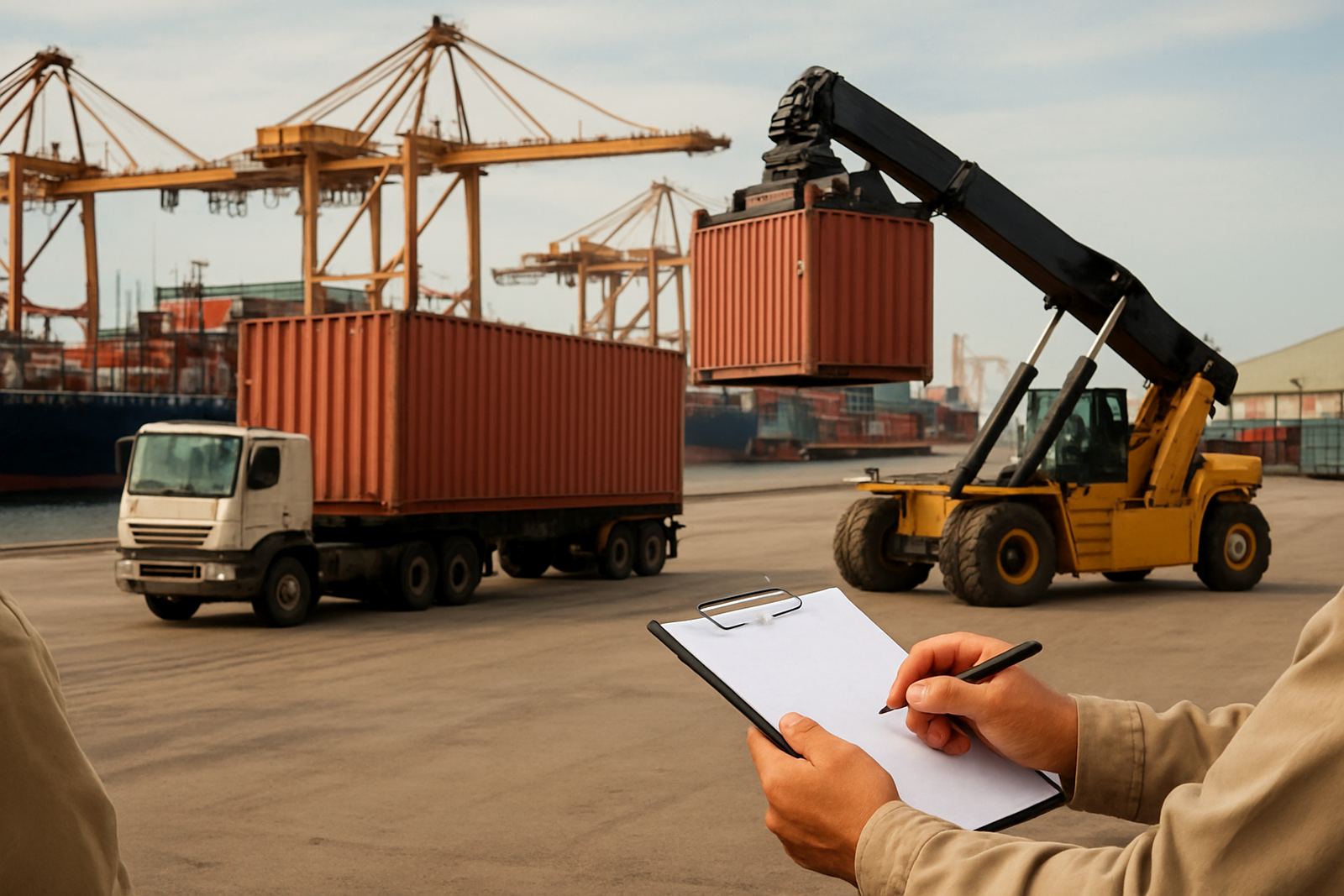
For imports through the Durban harbour corridor, it helps if you tell us how the cargo will arrive, by sea in a container, on a flat rack, or as breakbulk. That guides shipping coordination, port collection, and inland transport. We can also advise on cargo insurance and bonded storage if the machine will not be collected straight away.
- Commercial invoice and packing list
- Machine dimensions and gross weight
- Country of origin and port of loading
- Importer details and delivery address
- Any special handling needs, such as lifting lugs or oversize cargo
How long does customs clearing usually take?
Timing depends on the documents, tariff classification, and whether customs asks for extra support. A clean file can clear faster, while missing values or unclear descriptions will slow things down. In practice, our clearing lead checks the entry, the tariff code and the supporting papers before the cargo reaches the next stage, because a small mismatch can hold up release at the port or the depot.
For clients using our Johannesburg or Cape Town clearing counters, we can line up the import planning before vessel arrival so the process does not sit idle over a weekend or public holiday. Load-shedding can also affect collection slots, gate times and warehouse handling, so we build a buffer into the plan. If your cargo is urgent, tell us early and we will look at the quickest legal route.
- Clear documentation reduces delays
- Correct tariff classification avoids reassessments
- Peak port periods can add waiting time
- Early planning helps with collection and trucking
What documents are normally required for machinery imports?
The exact papers depend on the type of equipment and where it is coming from, but most shipments need a full invoice, packing list, transport documents and importer details. If the machine is new, used or refurbished, the description must match the physical cargo. Customs may also want proof of value, origin information and any technical sheets that support tariff classification.
For certain industrial units, compliance paperwork matters. That can include declarations on power ratings, parts lists, or documents showing what the machine is used for. If the cargo is for a mine, workshop, fleet depot or automotive operation, we ask the client to explain the end use clearly. The more accurate the file, the easier it is to move through clearance and release.
- Invoice with currency and unit value
- Packing list with counts and weights
- Transport document from the carrier
- Importer VAT and company details
- Any test sheets, manuals or technical notes
Can you assist with bonded storage and site offloading?
Yes. Some shipments are best kept in bonded storage if the consignee is not ready, or if there is a delay with payment, transport or site access. This is useful when equipment lands in Durban but the final job site is in Johannesburg, Springfield Park or farther inland. It gives you time to finalise the next step without rushing the release.
We also assist with site offloading where the machine must be placed carefully on arrival. That may mean arranging the right forklift, crane, ramp access or labour at the delivery point. Coastal humidity in Durban and Cape Town can affect exposed metal, so we advise on wrapping and quick transfer where needed. If the unit is large or awkward, we plan the offloading sequence before the truck arrives.
- Bonded storage for short holding periods
- Site offloading at factories, depots and workshops
- Coordination with crane or forklift providers
- Delivery planning for tight access points
How are shipping, insurance and inland transport handled?
We coordinate the movement from the loading point to South Africa, then from the port to the final address. That can include sea freight booking, cargo insurance, port collection and road transport from Durban, City Deep or Cape Town. Our fleet coordinator keeps an eye on truck type, route restrictions and the best time for loading, especially where municipal rules or local depot access need to be observed.
Insurance is strongly worth considering for machinery because even a small incident can delay operations and add repair costs. Inland transport also needs proper weight and size details so we send the correct vehicle. If the cargo is going to Umbilo, Jet Park or a regional site beyond the major metros, we match the truck to the job instead of sending the wrong unit and wasting time.
- Sea freight coordination from port of loading
- Cargo insurance for transit risk
- Road transport from port or bonded store
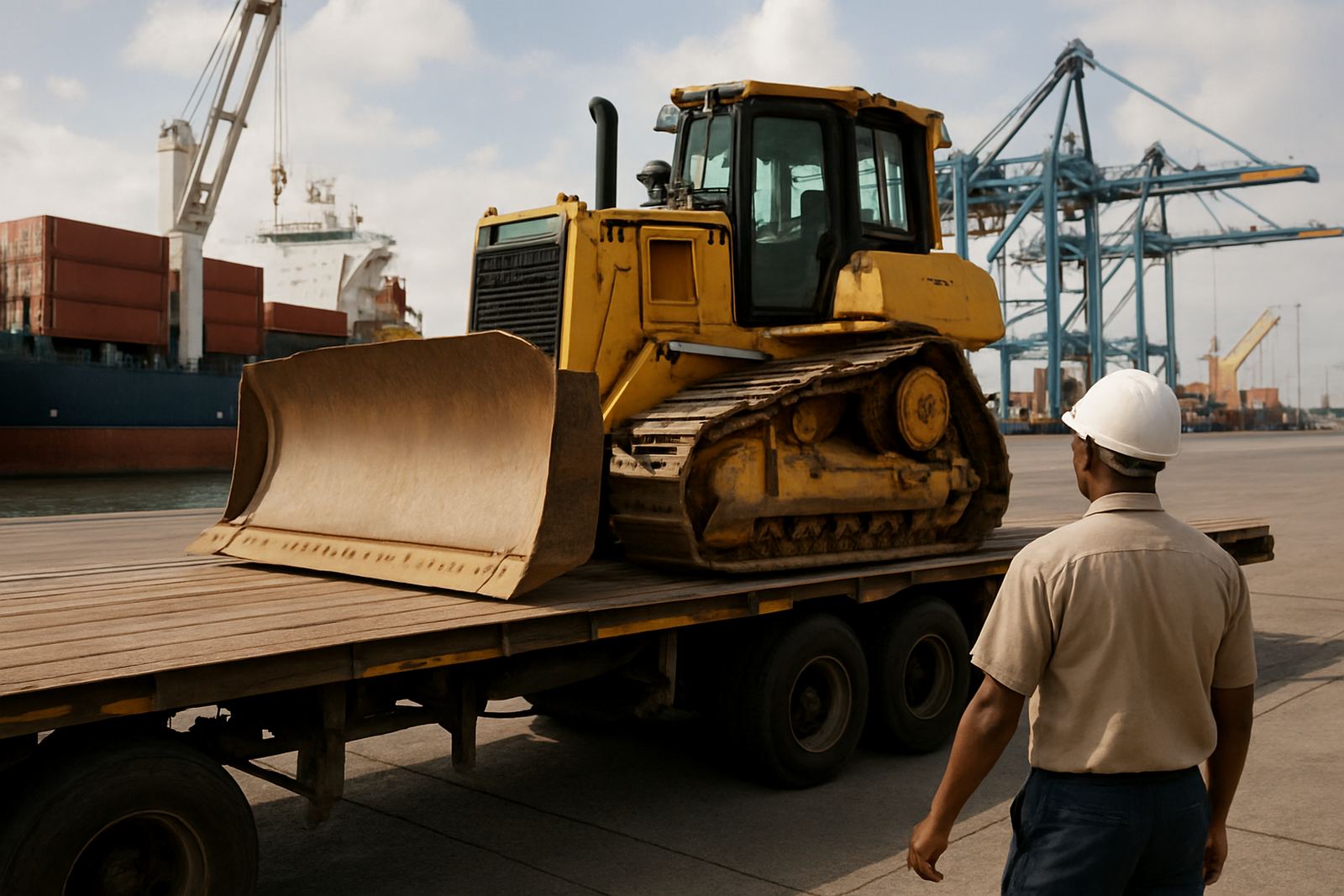
- Planning for oversize or heavy cargo
Who do I contact when I need an update or urgent help?
Quote your shipment reference, machine details and the latest documents you have when you write in. From there, our client services manager can direct the file to the right person. If the query is about customs code, compliance, or a release issue, the trade compliance specialist and clearing lead will review it. If it is about trucking or collection times, the operations team steps in.
Our team works across Durban, Umbilo, Springfield Park, Jet Park, City Deep and Paarden Eiland, so we can handle both port-side and inland follow-up. We keep the communication practical and direct because machinery moves faster when everyone knows what is still outstanding. A quick call or message at the right time can save a day, sometimes two.
- Use the shipment reference in every message
- Attach invoices, packing lists and carrier documents
- Say whether the cargo is at port, depot or site
- Flag urgent deadlines early