What our inland transport service covers
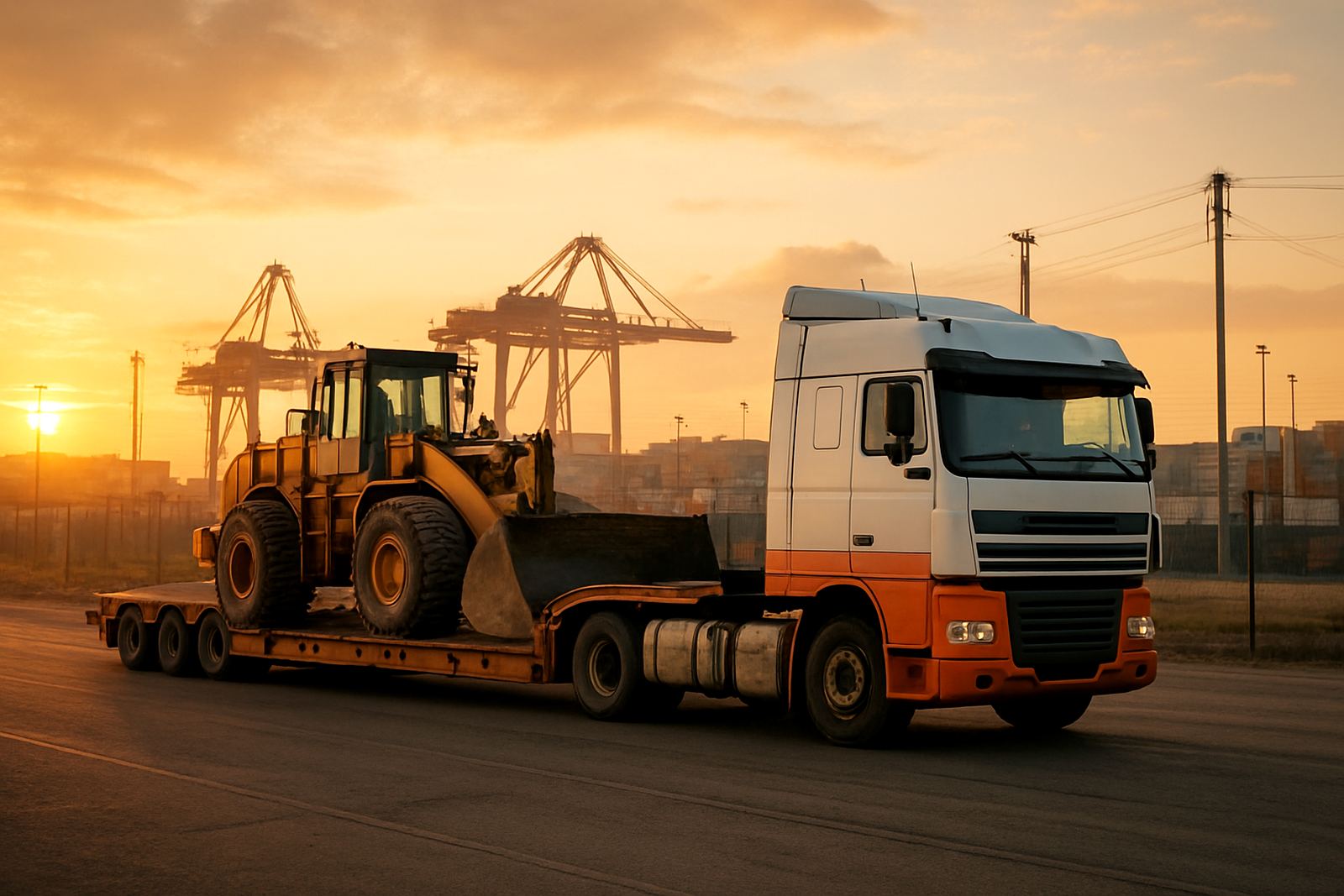
Our inland transport service is built for machinery that cannot simply be loaded and sent off like general freight. We arrange the right truck type, check overall height and width, confirm axle loads, and plan the route from Durban harbour corridor, Jet Park, City Deep, Springfield Park, Paarden Eiland and other industrial areas. For larger or more sensitive units we also plan escort needs, lifting points, and any offloading support at the destination.
The service suits importers, workshops, fleet operators, builders and automotive suppliers moving plant, equipment, spares on pallets, containers, generators and other heavy cargo. We also work with deliveries into sites with limited access, shared yards, steep driveways or tight loading bays. In places like Umbilo and central Durban, timing matters because road traffic, security access and port collection windows can affect the whole job.
- Linehaul between port, depot, factory and site
- Route survey for low bridges, sharp turns and restricted roads
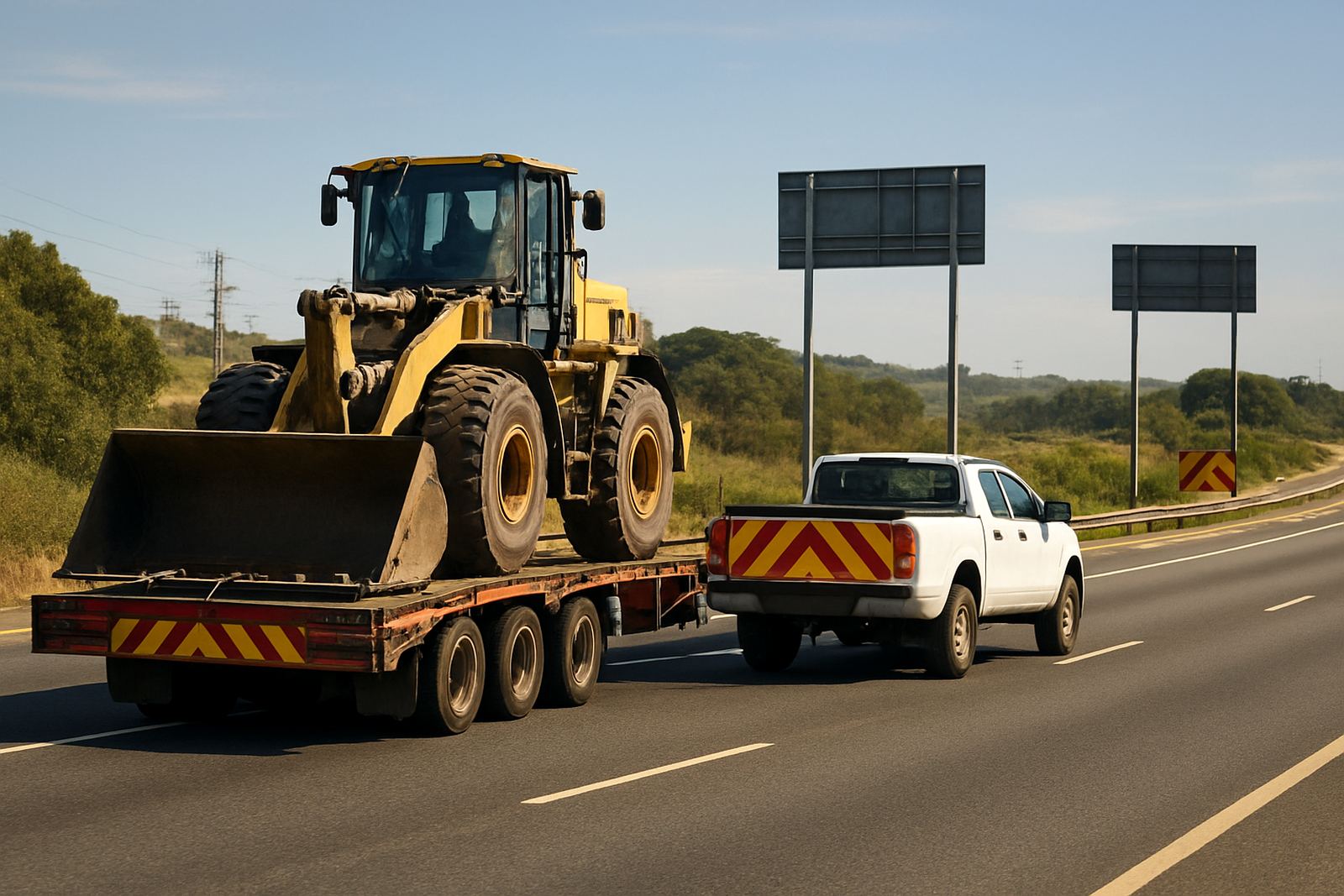
- Escort planning for oversize or abnormal loads
- Delivery booking to suit receiving hours and crane availability
- Site offloading coordination where forklifts or cranes are needed
How the transport plan is prepared
We start with the load details, including dimensions, weight, packing method and any centre-of-gravity issues. If the cargo is on skids, in a crate or on a flat rack, we need the packed size not only the machine size. That lets us check whether the unit fits standard trailer beds, step decks or lowbed options. We also look at the origin and destination address, because a move from Durban port to Springfield Park is very different from a delivery to Bloemfontein or East London.
Next we confirm route restrictions, permits where required, and the best departure time. For some moves we advise night departure to avoid congestion, but load-shedding schedules and local access control also affect the plan. When the cargo is moving inland from the harbour corridor, we keep the receiving team informed so there is no waiting around at the gate, which can cost money very fast.
- Load dimensions and gross mass verification
- Vehicle selection based on axle and height limits
- Permit and escort check where abnormal transport applies
- Departure timing based on road traffic and site access
- Destination contact confirmation for offloading
Typical process from pickup to delivery
Our process is practical and ordered. We collect the paperwork, confirm the cargo release, inspect the load condition, and line up the transport unit. Once the load is ready, the driver receives the route instructions, contact numbers and delivery instructions. For port moves, we coordinate with the clearing side so cargo does not sit too long in storage. That helps reduce storage charges and keeps the schedule under control.
On the road, our team monitors progress and will update you if weather, roadworks or a roadside incident affects timing. On arrival, we work to the site instructions, whether the cargo is being swung off by crane, forked down or lifted into a workshop bay. For sensitive items, we ask for any handling notes in writing so the team knows exactly what to do, and what not to do.
- Receive cargo details and delivery address
- Match vehicle, route and permit requirements
- Confirm collection or release time
- Transport the cargo and monitor movement
- Deliver, offload and capture proof of delivery
Turnaround times you can plan around
Turnaround depends on cargo type, route length, permits and the time of day the load becomes available. In the Durban area, local moves can often be arranged quickly if the cargo is ready, but port collection, abnormal load checks and after-hours access may add time. Longer inland runs need more lead time so the route survey, driver allocation and destination booking can all be completed properly.
As a general guide, same-day or next-day movement may be possible for standard loads within the Durban metro, subject to release and vehicle availability. Regional work into Gauteng usually needs more notice. If the cargo is urgent, send the packed size, mass and destination through our contact form and we can tell you what is realistic. We rather give a proper timing than promise a rush job that falls over later.
Pricing based on distance, load and access
Our pricing is based on the actual move, not a flat guess. We look at distance, vehicle type, abnormal load requirements, escort needs, waiting time, offloading support and any permits or route checks. A short trip from Umbilo to Springfield Park will not be priced the same as a lowbed move from Durban harbour to Johannesburg. The cost also changes if the site has limited access, because extra time on the ground means extra vehicle and crew time.
Where possible, we quote from the load details before the move starts. If there is uncertainty around weight or dimensions, we may ask for photos and packing measurements first. Clients appreciate that because it avoids surprise charges later, especially when freight has been crated in a hurry or the packing list is a bit thin. For repeat work, we can set up scheduled collection rates for regular fleet and automotive movements.
- Distance and route complexity
- Truck, trailer or lowbed requirement
- Escort, permit and route survey costs
- Waiting time, storage and offloading support
- Urgency and after-hours movement if needed
Maintenance intervals and transport readiness
Good inland transport depends on equipment that is serviced at the right intervals. We check the condition of the transport unit before dispatch, including tyres, brakes, lights, coupling gear, securing straps and hydraulic components where fitted. For machinery on the load itself, we ask whether service intervals are up to date if the unit is being moved for repair, resale or commissioning. A machine with overdue maintenance can leak, overheat or shift during transit, so it is worth checking before collection.
For regular clients moving fleet or workshop equipment, we can assist with a transport calendar around scheduled maintenance intervals, shutdowns and replacement cycles. That is useful for businesses that run tight operations around month-end, construction deadlines or municipal compliance dates. In coastal areas like Durban and Paarden Eiland, humidity and salt air can affect exposed metal during storage, so we advise covered holding where possible and prompt delivery after release.
We also recommend that lifting points, wheels, battery isolation and fluid draining are confirmed before pickup. It saves time at the site and reduces the risk of damage. Small details matter here, and sometimes a delay comes down to one missing bolt or a gate that only opens to 2.8 metres.
Key facts
| Service area | Durban, Umbilo, Springfield Park, Jet Park, City Deep, Paarden Eiland and national routes |
|---|---|
| Load types | Machinery, plant, fleet equipment, automotive cargo, crated freight, pallets |
| Vehicle options | Flatbed, tautliner, lowbed, step deck and abnormal load support |
| Planning inputs needed | Packed dimensions, gross mass, pickup point, delivery point, photos |
| Turnaround | Same-day or next-day for some local moves, subject to release and vehicle availability |
| Support items | Route surveys, escort planning, proof of delivery, site offloading, delivery booking |