What Shipping Coordination Covers
Shipping coordination is where the movement starts to make sense. We line up the booking, check the right transport mode, and make sure the machine or equipment is matched to the container or breakbulk plan before cargo arrives at port. For Durban harbour corridor work, that means keeping an eye on sailing dates, cut-off times, handling notes, and the space needed for loading and collection.
Our team handles shipment milestone tracking from supplier handover through to port arrival, discharge, release and collection. If a shipment needs a standard container, flat rack, open-top, breakbulk vessel space, or mixed consignment planning, we coordinate the steps so the cargo does not sit waiting while paperwork catches up. It also helps avoid rework, extra storage, and missed booking windows, especially when equipment is sensitive to weather, corrosion, or long layovers.
- Booking and shipment planning for machinery and parts
- Container fit checks and load configuration
- Breakbulk handling coordination for oversized or awkward cargo
- Milestone updates from origin to local release
- Port, depot, and inland movement alignment
How We Plan the Move Before Cargo Leaves
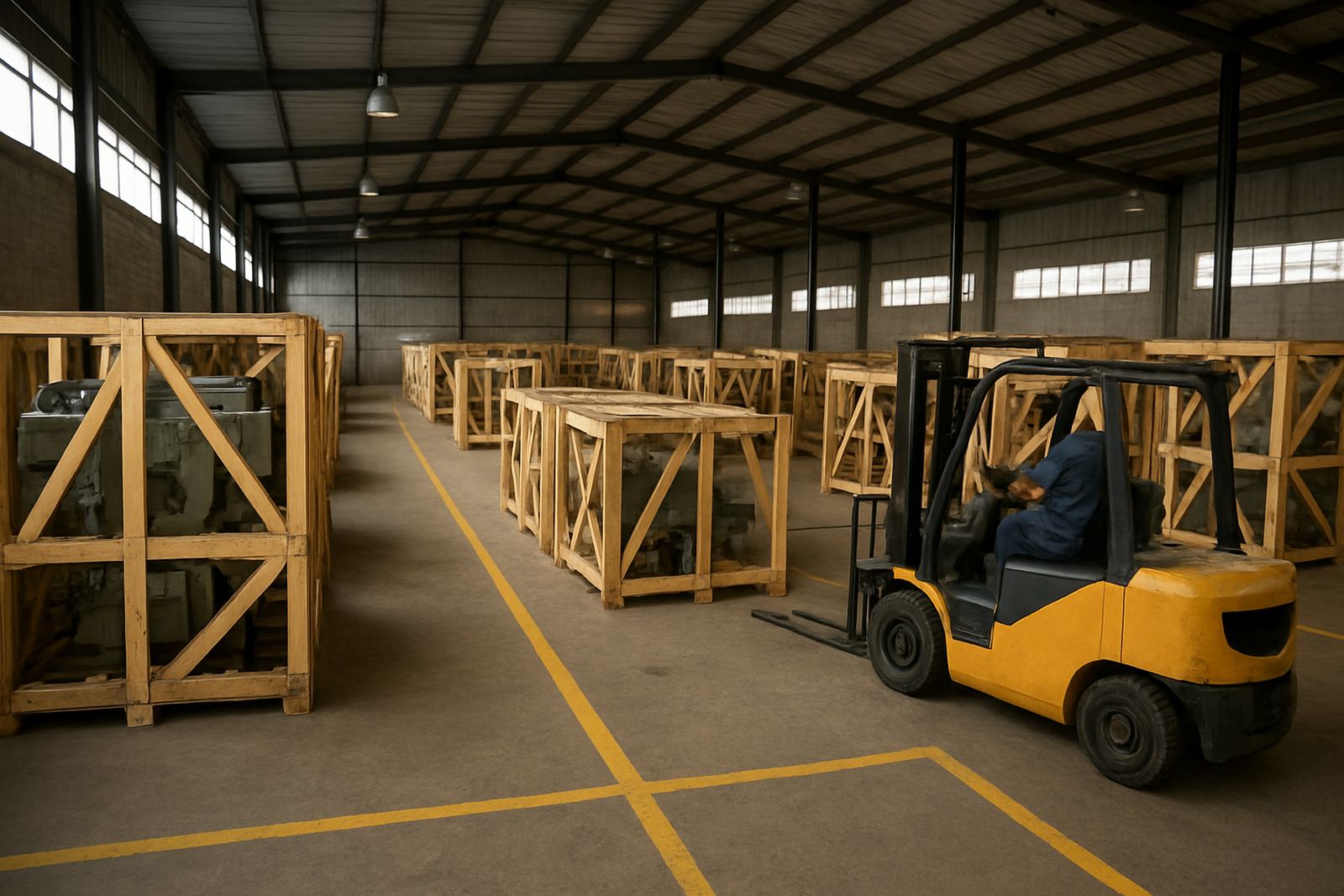
Good shipping coordination starts before the first container is sealed. We confirm dimensions, weight, lifting points, centre of gravity, and whether the cargo needs straps, timber blocking, tarpaulin cover, or moisture protection. This is important for coastal humidity in Durban and for equipment that will stand in transit yards or bonded storage for more than a few days.
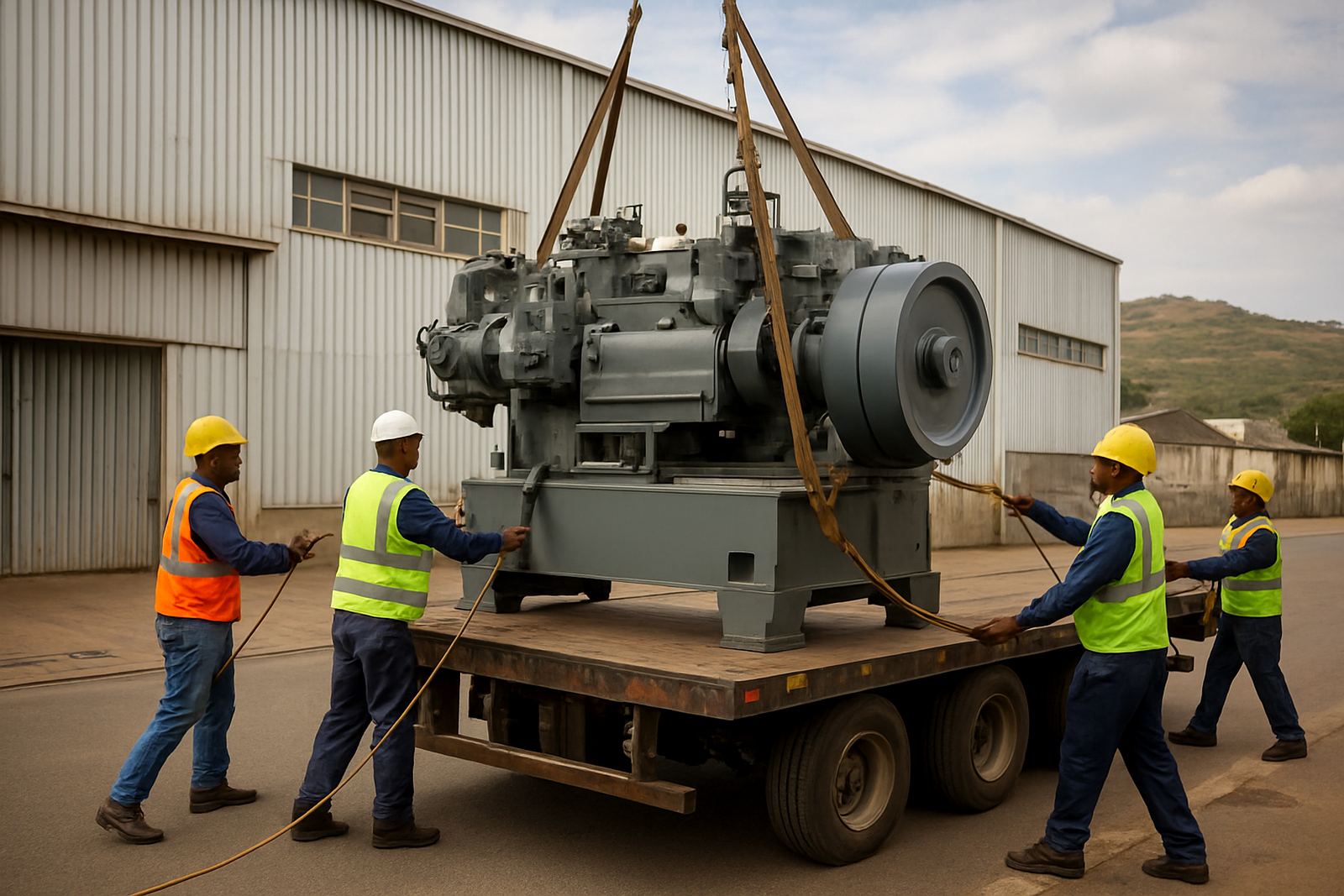
We also check whether the shipment needs special handling for site offloading, fork pockets, oversize width, or a crane lift. If the route is going inland to Jet Park, City Deep, or further into the provinces, we factor in road restrictions, delivery time windows, and the receiving site’s unloading equipment. Where loads are time-critical, we push for tighter booking control and faster handover between the carrier, terminal, and clearing process.
- Dimension and weight review
- Container suitability and packing direction
- Weather exposure and corrosion risk checks
- Route and offloading access planning
Step-By-Step Coordination Through Port and Inland Legs
Our process is practical and measured. First we capture the shipment details and confirm the service scope. Then we align the shipping line, terminal schedule, cargo type, and the expected clearing and collection timeline. Once the booking is in place, we track key milestones and update the client when the cargo changes status, such as loaded, departed, arrived, discharged, released, or ready for collection.
After arrival, we coordinate port collection or onward transport, depending on the job. For machinery landing in Durban, we often manage the collection from harbour to Umbilo, Springfield Park, or further inland through our Johannesburg and Cape Town clearing counters. Where cargo must move from port to bonded storage first, we coordinate that step too so the shipment is not left hanging between two stages. It keeps the handover tidy and lowers the chance of delays from incomplete instructions.
- 1. Capture shipment data and confirm cargo specs
- 2. Match the right vessel, container or breakbulk option
- 3. Track cut-off, departure and arrival milestones
- 4. Coordinate discharge, release and collection
- 5. Arrange inland delivery or bonded storage if needed
What You Get in the Service Scope
Shipping coordination with Machines Africa Hub is not just a booking and a follow-up call. Clients receive a managed process that brings together shipping instructions, movement notes, and the practical requirements of machinery transport. This is useful for fleet managers, importers, and automotive operators moving engines, workshop equipment, pumps, diagnostic units, or production machinery.
We keep document flow tight, because missing details can slow cargo at the terminal. That includes packing lists, release instructions, transport references, and any special handling notes for customs or the receiving site. If the load is too large for a standard box, or if it needs split movement with staged handling, we coordinate that with the relevant parties. It saves time and stops the usual back-and-forth that clogs up shipments.
- Shipping instructions and carrier coordination
- Milestone tracking and client updates
- Document control linked to the shipment
- Port collection and inland handover planning
- Special handling notes for oversize or delicate cargo
Turnaround Times and Pricing Approach
Turnaround depends on the cargo type, the port schedule, and how complete the documents are when the job starts. Simple containerised shipments can be set up quickly once dimensions and cargo values are confirmed. Breakbulk, oversize loads, or cargo moving through bonded storage normally needs a longer lead time because the movement chain has more steps. We give realistic timing from the outset rather than promising what the port cannot deliver.
Pricing is quoted according to the service load, not a one-size-fits-all menu. Costs usually depend on route complexity, shipment size, container type, number of handover points, and whether the cargo needs extra checks, urgent booking, or special handling. We can quote for a single movement or ongoing monthly coordination for businesses shipping regularly through Durban, Johannesburg, or Cape Town. That is often better for fleet operators who move equipment every few weeks and need a clear cost structure.
- Simple container shipments: confirmation is subject to cargo information
- Breakbulk or oversize cargo: allow extra lead time for planning and space confirmation
- Monthly coordination available for repeat importers and fleet users
- Quotes based on actual movement requirements, not guesswork
Maintenance Intervals for Recurring Shipments
For clients that ship machinery on a regular cycle, we recommend a maintenance rhythm for the coordination process itself. This means checking shipping instructions, carrier preferences, cargo specs, and delivery sites before each movement rather than relying on old notes. If the equipment has changed in size, weight, or packaging, the booking plan should be updated immediately. A small change can affect the whole route.
A practical interval is to review active shipping files weekly while cargo is in transit, then do a full pre-shipment refresh before the next booking window. For repeat users in logistics and automotive supply, we also suggest a quarterly review of route performance, port delays, and inland handover times. That helps reduce repeat issues such as missed cut-offs, incorrect container fit, or delays caused by stale contact details.
- Weekly tracking while cargo is moving
- Pre-shipment review before every new booking
- Quarterly review for repeat shipping programmes
- Update site contacts, loading gear and delivery access notes
Where We Work and Who Handles the File
We operate from Umbilo in Durban and support the Durban harbour corridor with clearing counters in Johannesburg and Cape Town. That gives clients a practical point of contact whether the shipment is arriving through Durban, moving inland through City Deep or Jet Park, or being coordinated from Paarden Eiland. The team includes Sibusiso Ntuli, Tumisang Mahlaba, Retief Labuschagne, Nomsa Dlamini, Luthando Mchunu and Fatima Cassim, so the file is handled by people who know shipping, transport, compliance, and client follow-up.
For businesses that need a steady hand on machinery movement, we keep the communication plain and the timing realistic. If your cargo is going to a workshop in Springfield Park, a warehouse in Umbilo, or a site further inland, we will coordinate the steps and keep the shipment moving. No drama, just a proper plan and proper feedback.
Key facts
| Service type | Shipping coordination for machinery, fleet and automotive cargo |
|---|---|
| Primary region | Durban harbour corridor with Johannesburg and Cape Town support |
| Cargo handling | Container, flat rack, open-top and breakbulk coordination |
| Tracking | Milestone updates from booking to collection |
| Typical turnaround | Simple bookings can be handled directly, while oversize or breakbulk moves may need additional planning |
| Support contacts | Contact form |