Controlled offloading for machinery, plant and fleet assets
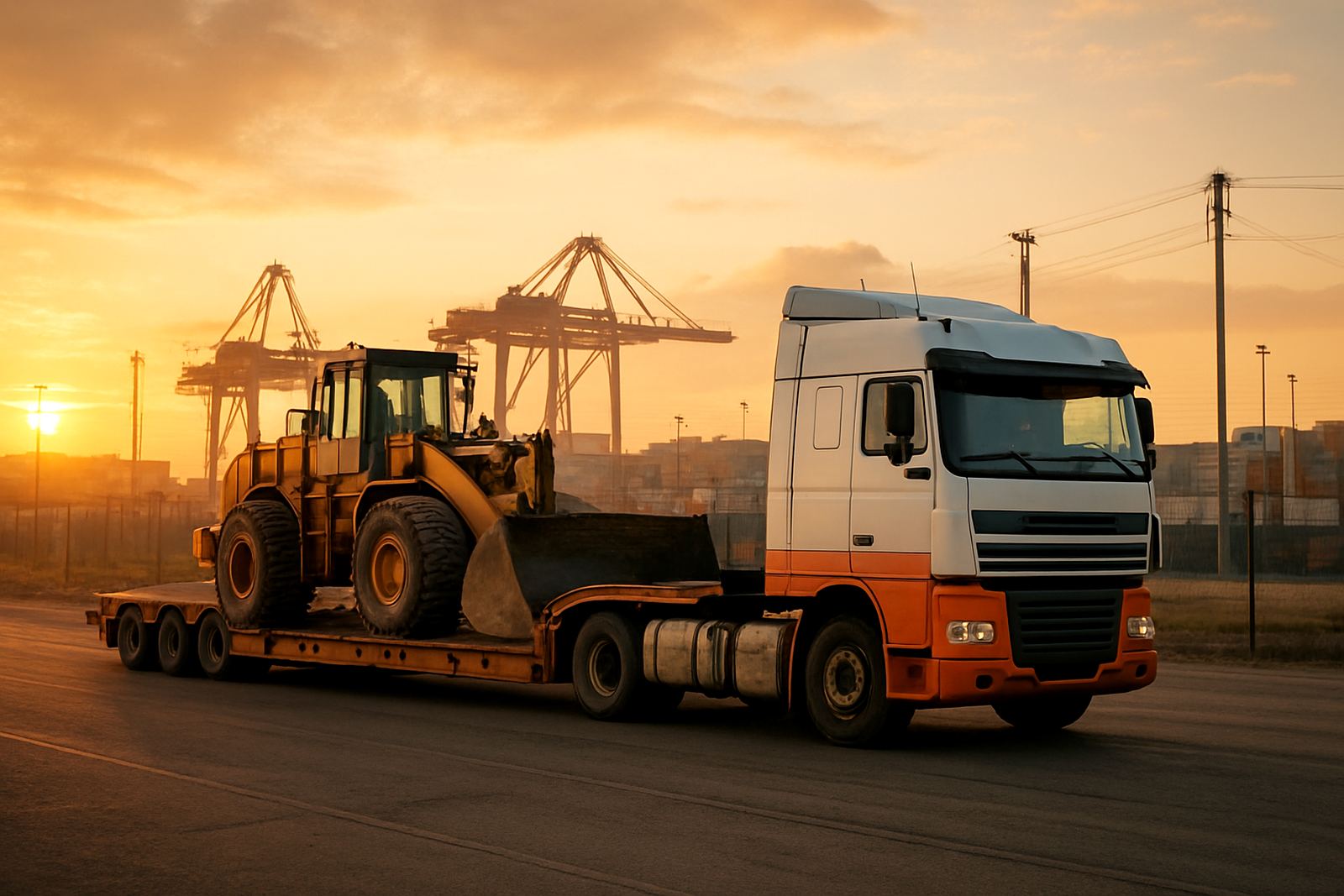
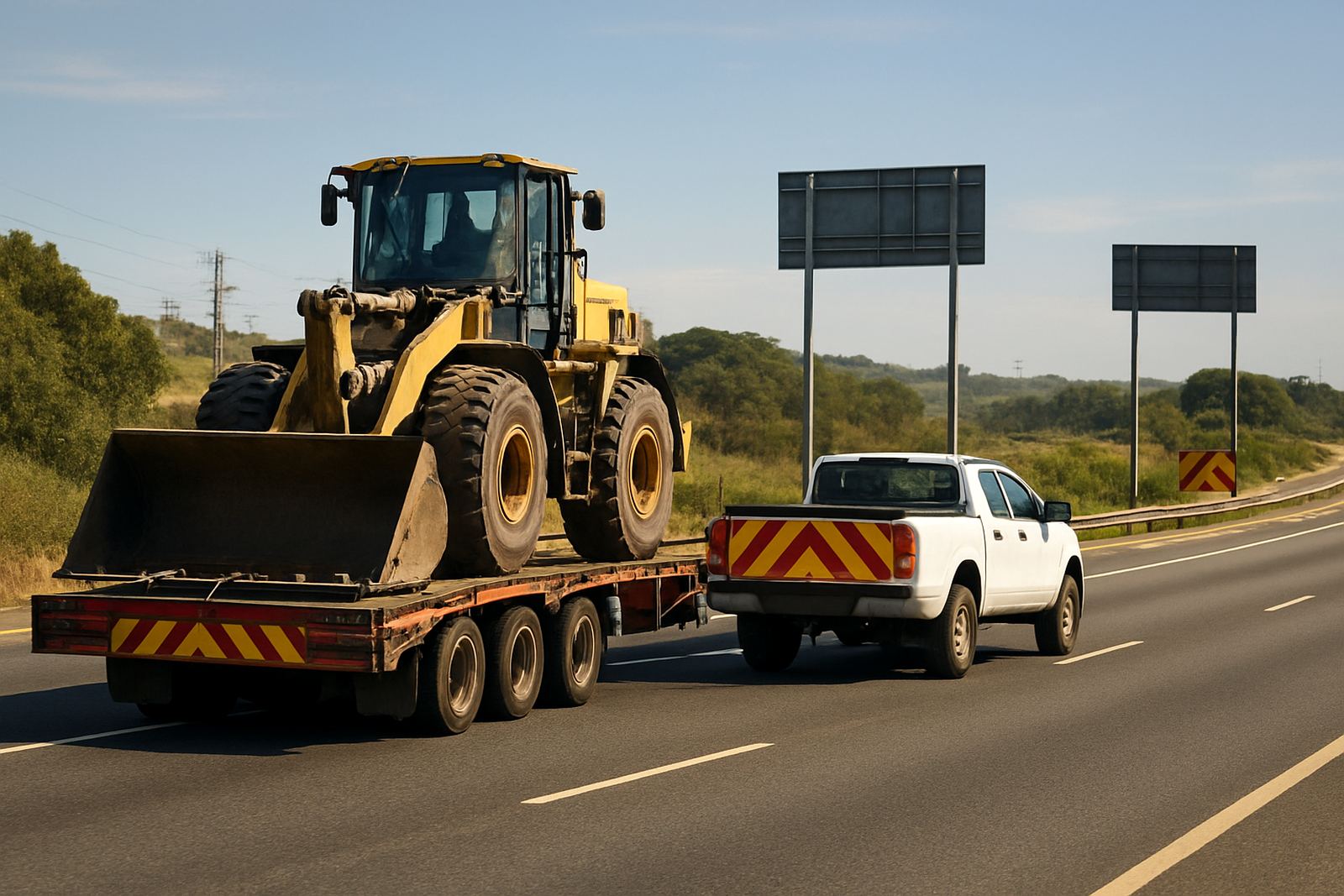
Site offloading is more than dropping cargo at the gate. We coordinate the lift, the approach route, the ground conditions and the final set-down so machinery arrives where it should, without damage to the load or the site. That matters on busy Durban harbour corridor jobs, warehouse yards in Springfield Park, and restricted access sites in Jet Park or City Deep where space is tight and there is little room for error.
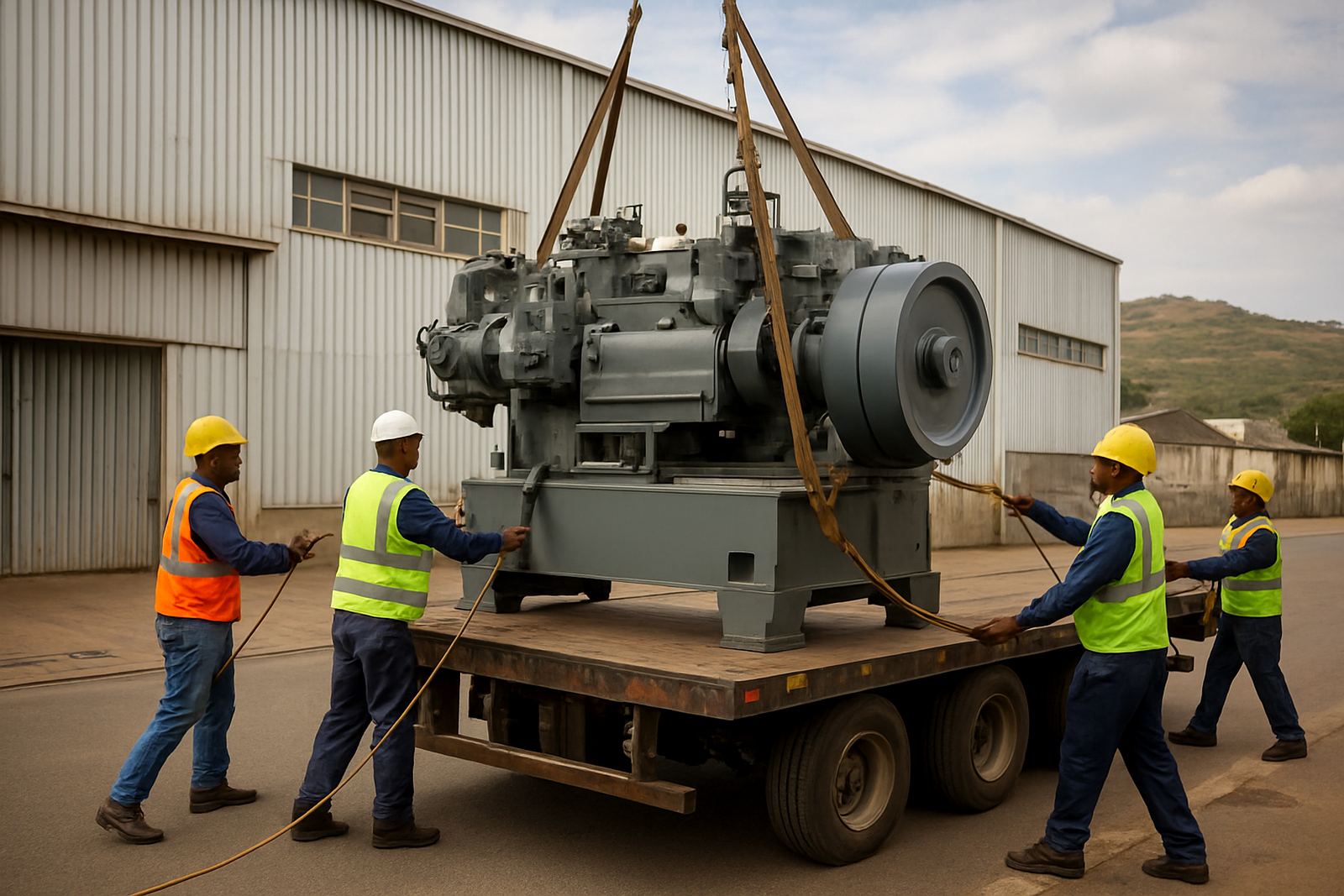
We handle offloading for imported machines, workshop equipment, fleet parts, containers, palletised cargo and irregular loads. Our team works with cranes, forklifts and rigging crews depending on the weight, dimensions and the surface at the delivery point. Where needed, we also arrange spotters, banksmen and temporary traffic control so the job stays orderly.
Typical offloading points include factory floors, loading bays, municipal sites, depots, freight yards and coastal premises where humidity, wind and salt air can affect steel equipment during handling. We account for local site rules, access times and safety requirements before the truck arrives, which saves a lot of delays later.
What is included in the offloading plan
Every job starts with a practical plan. We confirm the cargo details, offloading point, site access, weight limits and the safest equipment for the move. If a machine needs slinging points, spreader beams, timber dunnage or extra stabilising, we include that in the method statement. For delicate machines, we can arrange slower lift speeds and controlled positioning with a hand signal team on site.
The service can include:
- Pre-delivery site assessment and lift planning
- Crane or forklift booking to suit the load size
- Rigging gear selection for safe handling
- Set-down onto skids, pallets, pads or foundation positions
- Container unpacking and first-stage placement
- Coordination with site supervisors, security and transport crews
- Photo record of set-down condition on request
We keep the paperwork simple but complete. If your site needs delivery notes, gate release forms, lifting records or proof of handover, our team prepares and tracks those documents. That helps when multiple subcontractors are involved or when the client needs clear traceability for audit purposes.
How the offloading process works from booking to handover
Our process is straightforward. First, we gather the load dimensions, gross weight, centre of gravity if known, and the exact offloading location. Then we check access width, overhead clearance, floor loading and turning space. If the site is in an industrial area with tight access or peak-hour traffic, we plan the timing around that. In some cases, offloading after hours is better, especially where there are municipal restrictions, security limits or active production lines.
Once the plan is confirmed, we book the right equipment and brief the crew. On the day, the transport vehicle is checked in, the work area is marked and the lift begins under supervision. The load is lifted, moved and placed carefully, then the site contact signs off once everything is positioned correctly. If there are multiple items, we sequence them to avoid congestion and reduce waiting time for your truck.
- Step 1: Send cargo details and site address
- Step 2: Receive the recommended method and equipment
- Step 3: Confirm time slot, permits and access requirements
- Step 4: Carry out the offloading and placement
- Step 5: Complete handover and record any issues immediately
That approach keeps everyone informed and reduces stoppages. It also helps when loads arrive from the port and need to move directly into storage, a workshop or an installation area without sitting on a truck for hours.
Equipment ranges and handling limits we work with
Different loads need different handling gear. Small machines can be removed with forklifts, while heavier or awkward items may need a crane and rigging team. We match the equipment to the job, not the other way around. On uneven ground, soft verges or yard surfaces affected by rain, we allow for wider stance equipment and extra stabilisation to avoid sinkage or sway.
Common handling ranges include forklifts from 2.5 tonnes up to 10 tonnes for general site work, and mobile cranes for heavier lifts where reach is needed over walls, roofs or parked vehicles. For long or top-heavy cargo, we use slings, shackles, spreader bars and timber packing to keep the load steady. Where an item is sensitive to vibration, we minimise movement and use slower travel paths.
We regularly handle machinery for logistics depots, fleet workshops, auto repair sites, parts warehouses and production yards. If the cargo must land on a mezzanine, raised platform or inside a building, we assess door height, slab strength and turning clearance before the truck is dispatched. That extra check can prevent costly delays and rework.
Turnaround times, pricing and practical controls
Turnaround depends on the load, the site and the equipment needed. Straightforward offloads with clear access can often be completed on the same day once the booking is confirmed. More complex jobs that need cranes, permits, night work or multiple lifts usually need more lead time. For Durban harbour corridor work, we try to align the offload with vessel arrival, clearing progress and vehicle availability so the cargo does not stand around too long.
Pricing is based on the actual requirements of the job. We look at equipment type, lift duration, crew size, distance from the port or depot, site waiting time and any special safety controls. If the site needs an inspection before the day of delivery, we include that in the quote. We do not price blind, because that usually creates surprises for everyone.
- Smaller forklift offloads are often quoted as a fixed call-out plus handling time
- Crane jobs are usually based on size, reach, duration and access conditions
- After-hours or weekend work may attract separate labour and standby charges
- Wet ground, soft soil or restricted access can affect equipment choice and cost
We keep the numbers clear so you can budget properly. If your operation runs on tight margins, this helps you plan around transport, production and installation costs with fewer last-minute adjustments.
Maintenance checks and recurring offloading support
For sites that receive regular machinery, we can set up recurring offloading support on a weekly, monthly or project basis. That is useful for depots, fleet operators, workshops and importers who bring in units in stages. Instead of reworking the plan every time, we keep the site profile on record, including access notes, contact people, and the equipment mix needed for each repeat delivery.
We also recommend routine checks on the equipment handling plan at agreed intervals. For active sites, a monthly review works well. For high-volume yards or port-linked operations, fortnightly checks can help spot changes in access, floor condition or lift requirements before they cause delays. If the site changes, such as new racking, resurfacing, or a change in security protocol, we update the offload method accordingly.
Our clients in coastal areas like Durban and Paarden Eiland often need extra attention to corrosion risk, especially for machinery sitting outside after offloading. We can advise on immediate cover, timber separation and safe staging so the cargo does not stand directly on wet ground. That small step can protect the load until the final placement crew is ready.
When needed, we also work alongside your maintenance team to schedule offloading during planned downtime, service windows or shift changes. That keeps production moving and reduces the chance of blocked entrances, idle labour, or damaged concrete from rushed handling.
Site offloading that keeps your project moving
We understand the pressure that comes with machinery arrivals. Trucks queue, customers wait and production teams want the load in place quickly. Our team, led by Sibusiso Ntuli with support from Tumisang Mahlaba, Retief Labuschagne, Nomsa Dlamini, Luthando Mchunu and Fatima Cassim, works across Durban, Umbilo, Springfield Park, Jet Park, City Deep and Paarden Eiland with the same practical aim: get the job done safely and keep the paperwork in order.
Because we also handle import planning, customs clearing, bonded storage, inland transport and document management, site offloading can be linked to the rest of the delivery chain without gaps. That means fewer handovers, fewer missed instructions and a cleaner arrival at your workshop or depot. If you need a steady offloading partner for one machine or a full project roll-out, we can structure the support around your schedule and your site rules.
For bookings and quotes, use our contact form and send the cargo details, delivery address and preferred offloading date. Cargo weight, site access and the offloading date confirm the right equipment and crew.
Key facts
| Primary equipment | Forklifts from 2.5 tonnes to 10 tonnes, mobile cranes, rigging sets, slings, shackles and spreader bars |
|---|---|
| Typical load types | Machinery, fleet assets, workshop units, palletised cargo, containers and irregular loads |
| Access check items | Gate width, overhead clearance, slab strength, turning space, ground condition and truck approach |
| Service areas | Durban, Umbilo, Springfield Park, Jet Park, City Deep and Paarden Eiland |
| Turnaround | Same day for simple offloads, planned lead time for crane work, permits or after-hours lifts |
| Booking contact | Contact form |
| Review interval | Monthly for active sites, fortnightly for high-volume yards or changing access conditions |