
What our customs clearing covers
Our customs clearing service is set up for machinery imports, fleet equipment and vehicle related cargo moving through Durban harbour corridor and the inland hubs at City Deep, Jet Park and Paarden Eiland. We prepare the entry documents, check the tariff lines, confirm the supporting paperwork and coordinate with the relevant parties until release is obtained. For clients moving equipment into Umbilo, Springfield Park, or inland sites around Gauteng and the Cape, that means one clear process and one team to speak to.
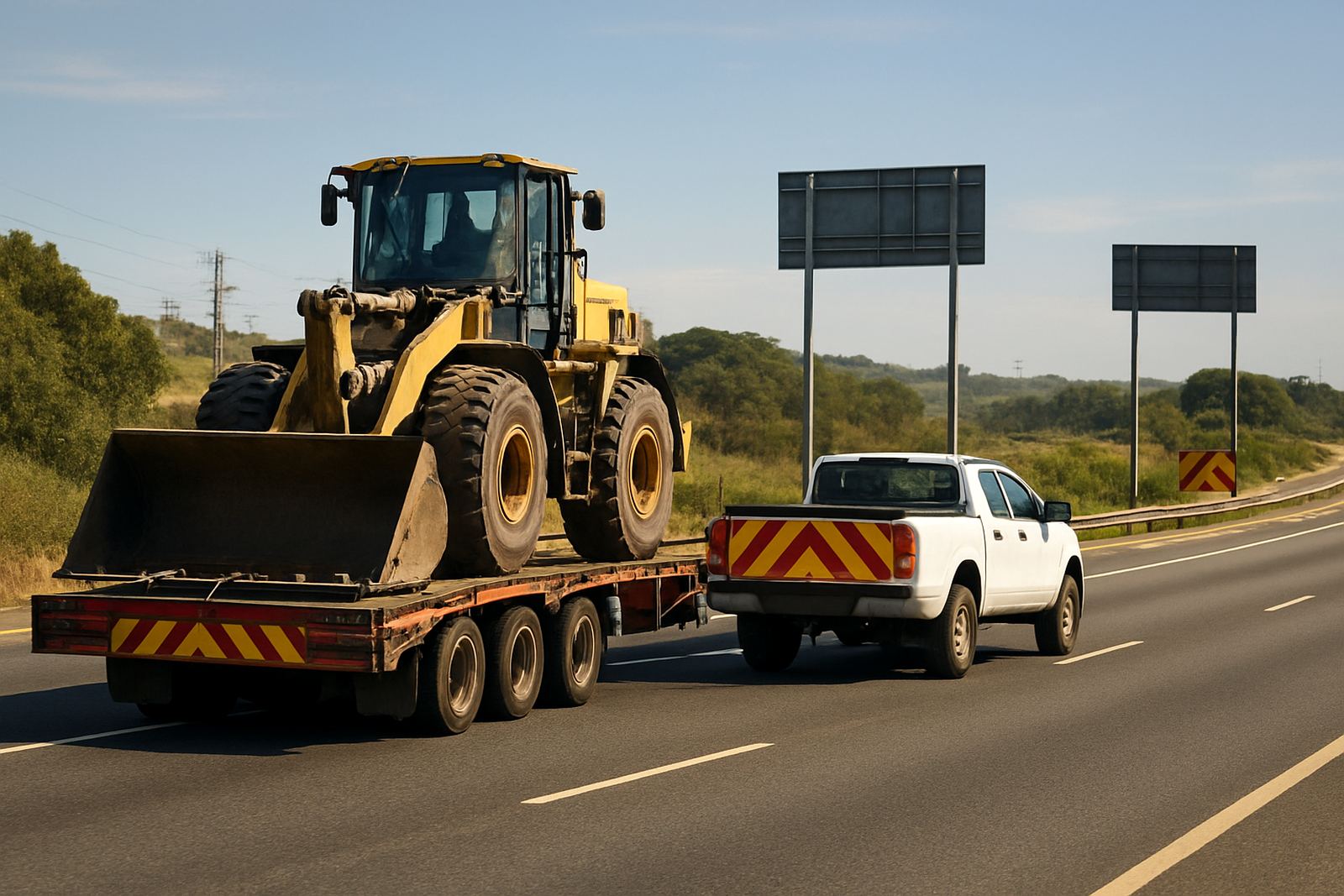
We work with commercial loads of many sizes, from single machines to mixed consignments on flat racks, in containers or on open transport. Where cargo is subject to inspection, storage, or additional treatment after discharge, we plan for that early so there is less standing time at the port. In Durban the humidity can work against sensitive components, so we also watch for exposure, packaging condition and any need for quicker uplift.
- Customs entry preparation and submission
- Tariff classification and duty check support
- Document review for invoices, packing lists and permits
- Release coordination with port and transport teams
- Support for bonded storage where required
Step-by-step from vessel arrival to release
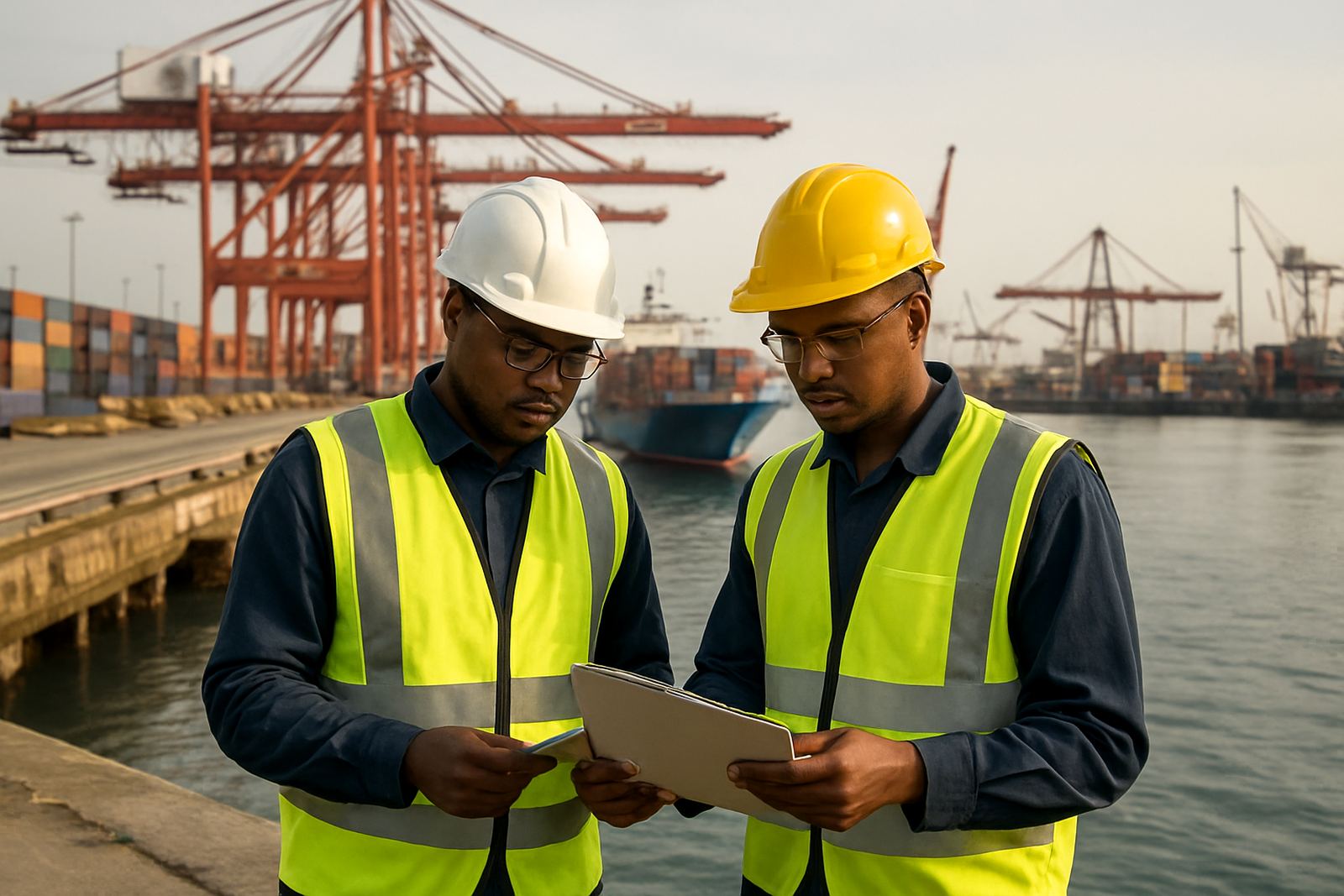
We keep the process practical and measurable. Before cargo lands, we ask for the shipping documents, serial numbers, cargo dimensions and any certificates that may be needed. Once the vessel is on route or the truck is booked, we verify the entry details, check whether the cargo falls under a restricted category and confirm the inland delivery point. If the load is coming through Durban harbour, we also plan for collection windows that work with terminal operating times and road access.
After arrival, our clearing lead tracks the entry status, any queries from Customs and any hold notices that may need attention. If a physical inspection is required, we arrange the next step and keep the client informed on what must be opened or presented. Once release is granted, we move to collection, short haul transport or site offloading, depending on the instruction.
- Pre-clearance document check before cargo lands
- Tariff and valuation review
- Customs entry capture and submission
- Query handling and inspection coordination
- Release, collection and final handover
What documents we need for machinery clearing
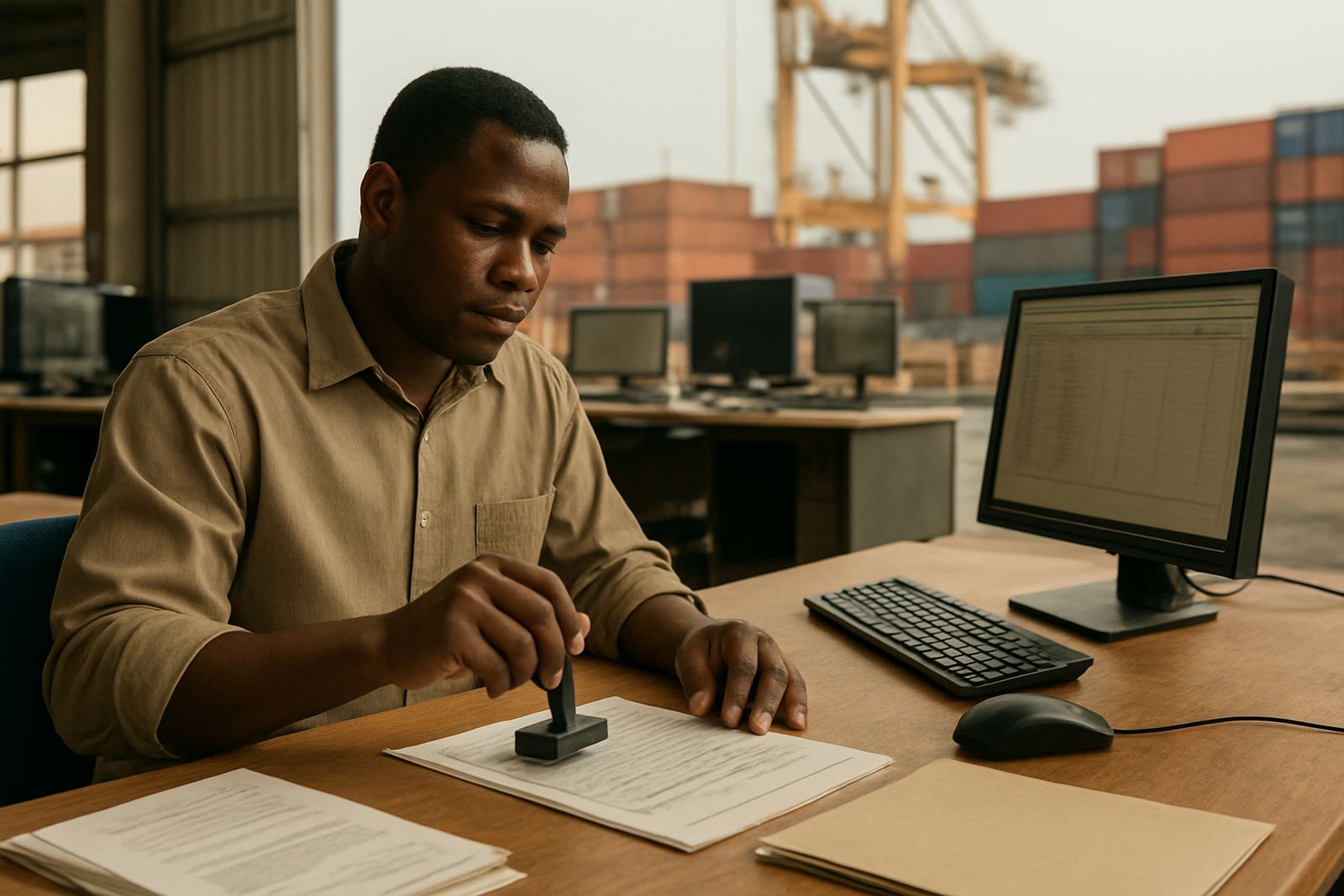
The main cause of delay in customs clearing is missing or inconsistent paperwork. We check the details line by line, especially where equipment is second-hand, partially dismantled, or shipped with accessories and spare parts. The invoice description must match the packing list and the actual cargo, and serial numbers should be visible where applicable. For certain machines, permits or compliance paperwork may also be needed, and we flag that before the shipment reaches port.
Our document management service is useful for companies that import often and want a cleaner audit trail. We keep the release pack organised for future entries, insurance claims and supplier follow-up. That matters for fleets, workshops and manufacturing sites where the same type of unit may be imported several times a year.
- Commercial invoice and packing list
- Bill of lading or transport waybill
- Import permits, where applicable
- Serial numbers, model details and cargo photos
- Tax and registration details for the importing business
Turnaround times and clearing intervals
Turnaround depends on document quality, port congestion and whether Customs requests more information. For a clean machinery file, simple entries can often be turned around within 24 to 48 hours after we have complete papers and the cargo is ready for processing. Where inspections, duty questions or permit checks are involved, the timeline can stretch and we will say so early. We prefer honest timing over optimistic promises that do not hold up at the quay side.
For regular importers, we recommend a document maintenance interval of every shipment and a full file review at least once a month. That helps catch repeated errors in tariff descriptions, supplier invoices and serial number records. In busy periods, especially around month-end and after public holidays, we also suggest a weekly status check so the file does not go stale while cargo is waiting in the yard.
- Standard entry work: 24 to 48 hours once papers are complete
- Inspection or query cases: dependent on authority processing times
- Monthly file review for repeat importers
- Weekly status updates during peak port periods
Pricing approach for clearing machinery
We price customs clearing according to the work involved, not a one size fits all formula. The main factors are cargo type, number of line items, whether the shipment needs tariff review, how many documents must be reconciled and whether the cargo is arriving through Durban, Johannesburg or Cape Town. If storage, port collection or inland transport is added, those charges are quoted separately so the client can see the full cost before instruction.
For repeat importers, we can structure the work around a monthly volume or per-entry basis depending on the pattern of shipments. That is often more practical for logistics firms, fleet operators and automotive businesses that move equipment in batches. Where the file is simple, we keep administration lean. Where the cargo is complex or high value, the scope includes more checking and more coordination, which is reflected in the quote.
- Quoted per entry or per shipment volume
- Separate charges for storage, collection and transport
- Higher complexity for permits, inspections or mixed cargo
- Clear cost breakdown before work starts
Why machinery clearing needs local experience
Customs clearing is not only about sending a form. It needs an understanding of the port, the cargo, the road link and the local rules that affect release. Durban is the main seafreight gateway for many machinery imports, but inland delivery into Johannesburg or Cape Town must be planned with the same care. If a machine is stranded because a serial number is missing or a description is too vague, the whole chain slows down and storage charges start building.
Our team in Umbilo works with businesses across Durban, Springfield Park, Jet Park, City Deep and Paarden Eiland. Sibusiso Ntuli oversees the operation, with Retief Labuschagne on clearing, Fatima Cassim on trade compliance and the rest of the team managing logistics, client updates and inland moves. We keep the process practical and the communication direct so the client knows what has cleared, what is pending and what still needs attention. That helps cut storage, standing time and avoidable rehandling costs.
For machinery imports that must be offloaded on site, we can align customs release with the delivery crew so the equipment does not sit exposed in a yard. Coastal humidity, dust and long weekends can all work against a machine if the plan is loose. We prefer to have the clearing file ready before the cargo lands, then move straight to release and delivery without unnecessary standing time.
Key facts
| Service area | Durban, Johannesburg, Cape Town and major port and inland nodes |
|---|---|
| Core function | Customs entries, tariff checks, release coordination and document control |
| Typical turnaround | 24 to 48 hours for clean files after complete documents are received |
| Cargo types | Machinery, fleet equipment, automotive sector loads and mixed commercial cargo |
| Operating base | Umbilo, Durban with clearing support in Johannesburg and Cape Town |
| Contact | Contact form |