What a CNC lathe does in a working workshop
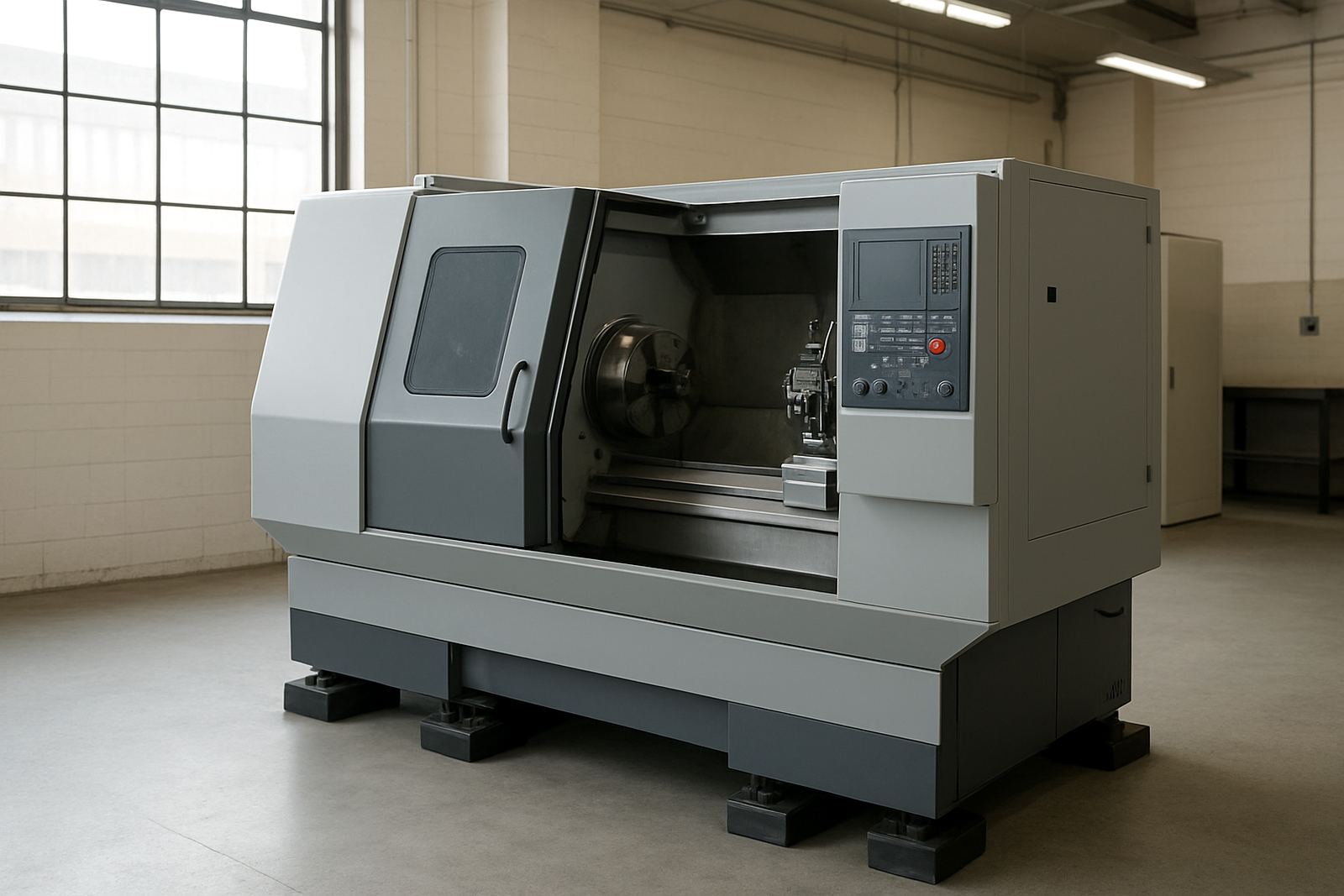
A CNC lathe is a computer-controlled turning machine used to machine round and cylindrical parts to accurate sizes. Instead of hand feeding each cut, the operator programs the tool path, spindle speed and feed rate, then the machine repeats the job with consistent results. That matters when you are making components for automotive repair, hydraulics, mining spares, general engineering, and fleet maintenance. It also helps with repeat orders where every millimetre counts.
For South African workshops dealing with load-shedding, busy turnaround times and mixed jobs, a CNC lathe can take pressure off manual turning and reduce scrap. It suits shops that need predictable finish quality and faster batch work. Many buyers move up to CNC after they have outgrown manual lathes or need to machine parts with tighter tolerances than a standard toolroom setup can hold.
- Turning diameters from small precision parts to heavier shafts
- Face machining, taper turning, threading and grooving
- Consistent results for repeat production runs
- Better control over cycle times and operator input
Sizes, chuck options and machine configurations
CNC lathes come in several bed lengths and swing sizes, so the right machine depends on the components you make most often. Small workshops in Umbilo, Springfield Park or Jet Park may need a compact model for maintenance parts, while larger plants in City Deep or Paarden Eiland may look for a long-bed machine that can handle shafts, rollers and heavier assemblies. Some machines are two-axis units for standard turning, while others include live tooling or sub-spindles for more complex work.
Typical options include manual or hydraulic chucks, turret tool capacity, bar feeder compatibility and coolant systems. If you are doing short runs, the goal is speed and simplicity. If you are machining more varied parts, live tooling and additional axes can reduce secondary operations. On used or imported units, check the spindle bore, maximum turning length and tailstock arrangement before you commit because these points affect daily use more than the brochure figures.
- Compact machines for smaller workshops and repair bays
- Medium-duty lathes for general engineering and production work
- Heavy-duty models for shafts, tubes and larger diameters
- Optional live tooling, bar feed and coolant recovery systems
Where a CNC lathe suits best in South Africa
These machines are common in workshops that support transport, agriculture, plant maintenance, ship repair, mining services and automotive refurbishment. In Durban and the harbour corridor, they work well for urgent turnaround on worn components, while inland sites often use them for scheduled production and breakdown work. If your business handles fleet parts, repaired fittings, or custom replacements, a CNC lathe can cut lead times and keep outside machining costs under control.
The machine also suits businesses that need to keep service quality steady across different operators. Once the program is set, a trained operator can produce repeat parts with less variation. That is useful where customers expect quick delivery and the same part dimensions every time, even on a Friday afternoon when the power dips and the workshop is running on backup supply.
- Engineering workshops upgrading from manual turning
- Fleet and transport maintenance depots
- Automotive rebuild and component repair shops
- General production sites needing repeat accuracy
Installation, power supply and site readiness
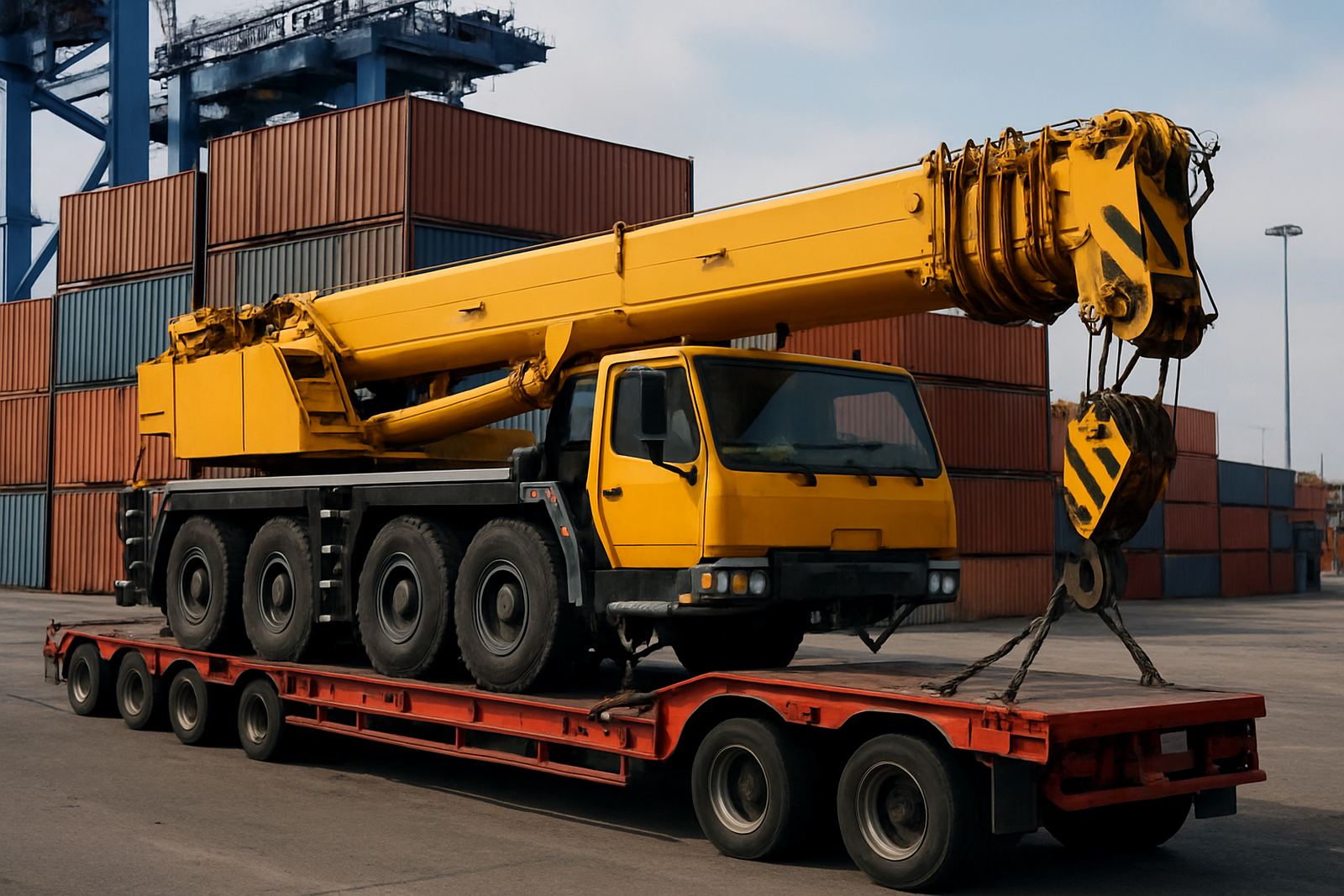
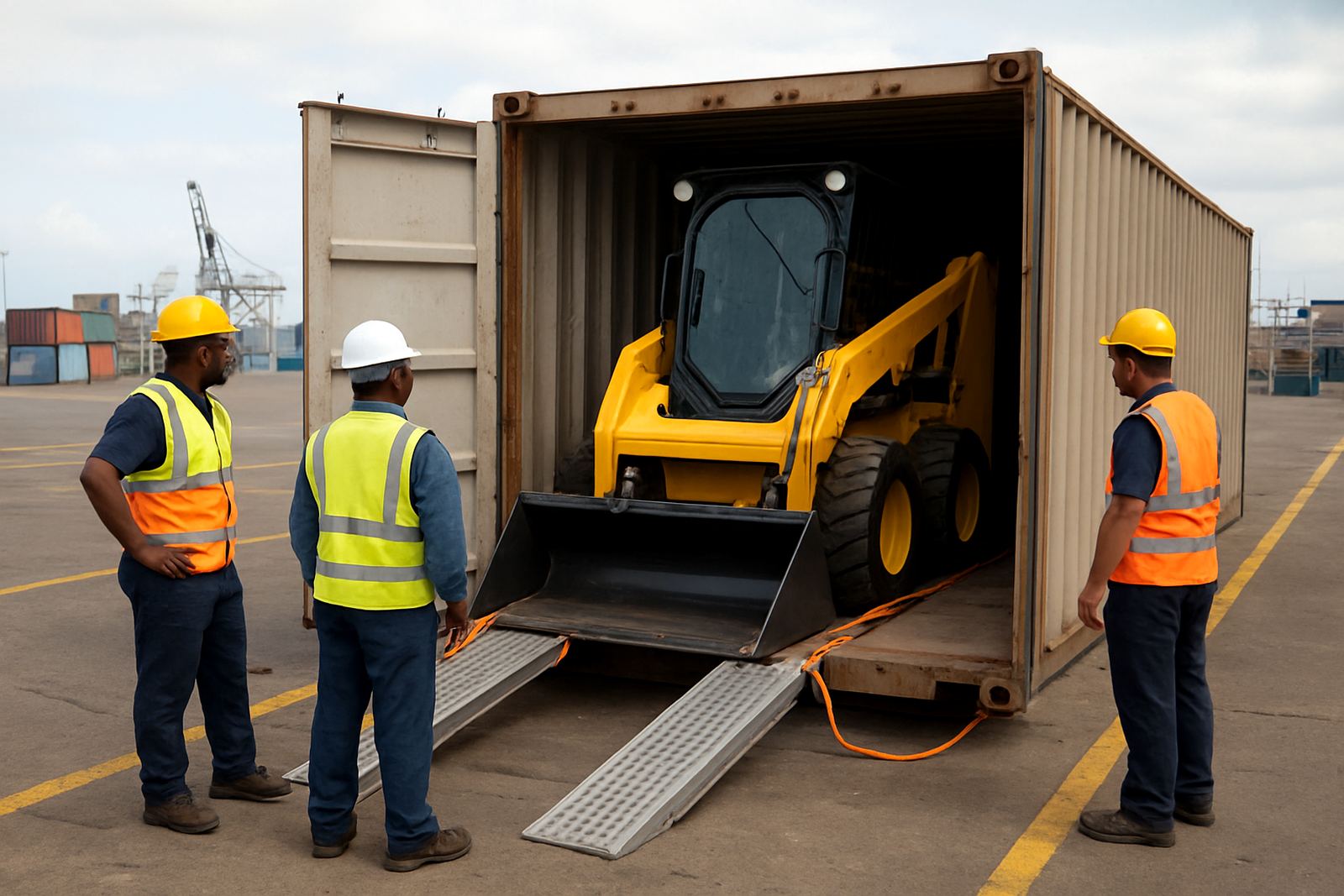
Before a CNC lathe arrives, the site must be ready for weight, access and power. Most machines need a level concrete floor, proper offloading space and enough doorway or roller-shutter clearance to move the bed in safely. A forklift or crane may be needed depending on the machine mass, which can range from around 2 tonnes for smaller units to well over 8 tonnes for larger production lathes. On upper floors or tight yards, plan the lifting route carefully so there is no last minute hold-up.
Power requirements vary by model, but many lathes use 3-phase supply at 380V to 400V. Some need a stable air supply for pneumatic clamping or tool release systems, and coolant management must be allowed for. In coastal areas like Durban and Cape Town, humidity can affect electrics and unprotected steel surfaces, so ventilation, corrosion control and regular wipe-downs matter. If the plant runs on generators during outages, check starting current and control panel sensitivity before installation.
We also advise checking municipal rules for crane lifts, road access and after-hours delivery where needed. A clear receiving plan saves damage, delays and extra transport charges.
Shipping, clearing and inland delivery through Durban, Johannesburg and Cape Town
CNC lathes are heavy cargo, and the import process needs proper document control from the start. Machines Africa Hub arranges import planning, shipping coordination, customs clearing, tariff classification, port collection, inland transport and bonded storage where needed. For cargo landing through Durban harbour corridor, we manage the flow through the clearing process and can route to Johannesburg or Cape Town where the receiving point is inland or split between branches.
Because machine tools often move with crates, loose accessories and control cabinets, packing lists must be accurate. We check serial numbers, dimensions, gross weight and any special handling notes before collection. If the workshop site is not ready, bonded storage or short-term holding can be arranged while installation teams finish the floor, power or offloading point. That keeps the machine secure and reduces pressure on your team.
- Import planning and tariff classification
- Customs clearing and document management
- Port collection and inland transport to site
- Bonded storage and cargo insurance options
Care, servicing and the checks to make before ordering
A CNC lathe is a long-term asset and should be bought with servicing in mind. Routine care includes daily chip removal, coolant level checks, lubrication, chuck inspection and cleaning of guideways. The control cabinet must stay dry and dust free, and operators should be trained to spot abnormal vibration, noise or tool wear before it causes downtime. If the workshop is near the coast, corrosion protection matters a bit more than inland, especially on fasteners, exposed slides and electrical terminals.
Before ordering, check the spindle condition, tool turret wear, backlash, axis travel, control system age and whether spare parts are still available. Ask for the machine's power requirement, compressed air need, footprint and transport weight. You should also confirm whether the machine comes with tooling, workholding, manuals and any test parts. A good purchase is not only about price, but about whether the unit can be serviced in South Africa without long delays.
- Check spindle hours, axis wear and control condition
- Confirm footprint, weight and floor loading limits
- Ask for tooling, manuals and accessory lists
- Match the machine to your jobs, not just the quoted price
Key facts
| Product type | Computer-controlled turning machine for precision metalworking |
|---|---|
| Typical power | 3-phase 380V to 400V, model dependent |
| Machine weight | About 2 tonnes to over 8 tonnes depending on size |
| Work capacity | Small precision parts to long shafts and medium production runs |
| Common options | Hydraulic chuck, live tooling, tailstock, bar feeder, coolant system |
| Import support | Shipping, clearing, bonded storage, inland transport and site offloading |