What a mobile crane is and where it is used
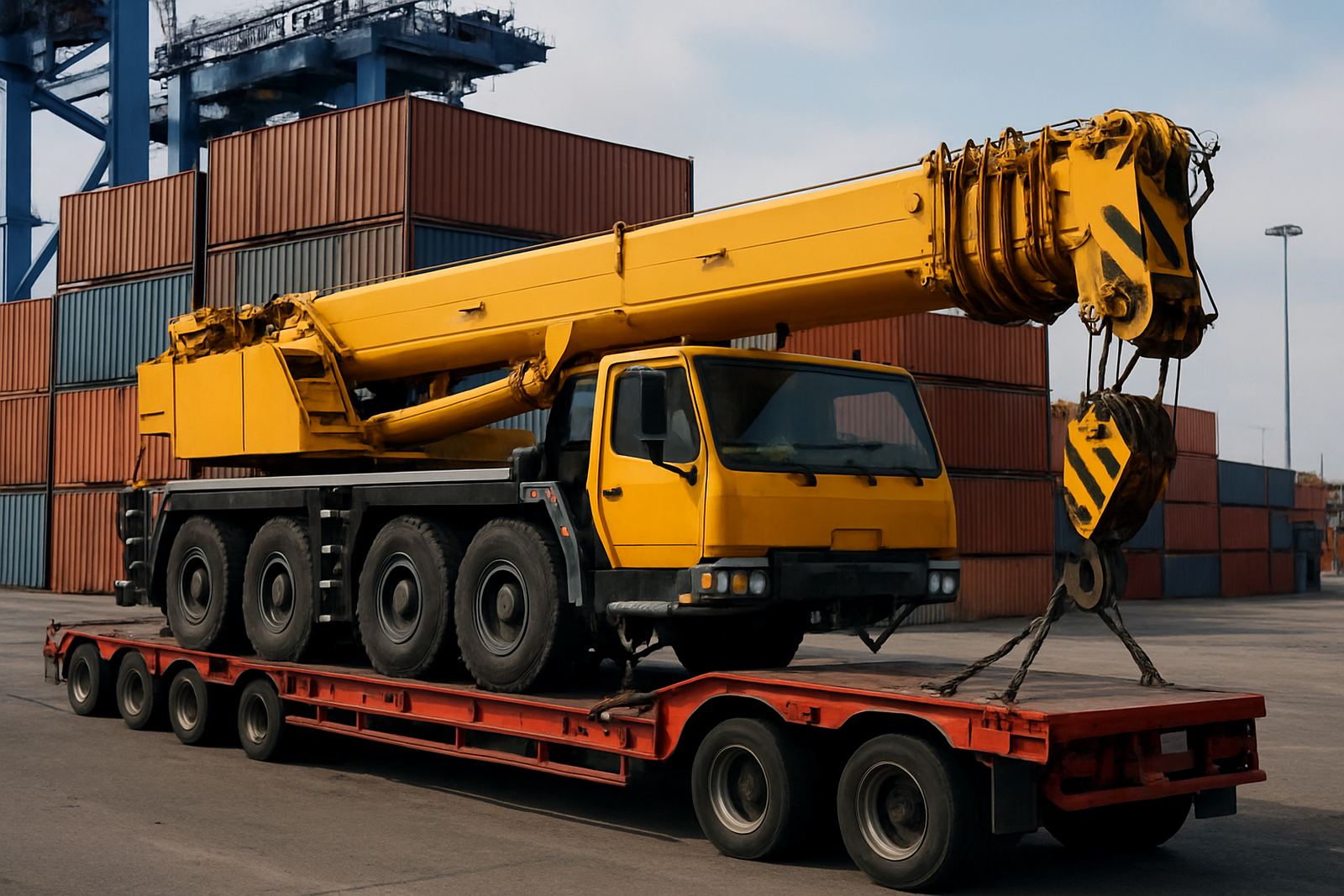
A mobile crane is a self-propelled or truck-mounted lifting machine used to move heavy loads on building sites, depot yards, plant maintenance areas and port-related work. It is chosen when you need lifting power without setting up a fixed tower crane, and when the machine must move between jobs or be transported by road to different towns and industrial sites.
For South African conditions, mobile cranes are often ordered for construction firms, logistics yards, workshop lifts, container depots and municipal projects. They are also used in coastal areas where corrosion control matters, and in inland centres where rough road access, heat and load-shedding affect day to day operations. Our team in Umbilo, Durban coordinates the import and delivery side from the port corridor through to Durban, Johannesburg, Cape Town and surrounding industrial nodes.
Sizes, capacities and main options
Mobile cranes are supplied in a range of lifting capacities and boom lengths. The right size depends on the heaviest load, the reach needed, the ground conditions and how often the crane must travel on public roads. Smaller units suit compact depots and urban work, while larger all-terrain machines are used for heavier industrial lifts and longer outreach.
- Light duty units: about 10 to 25 tonnes lifting capacity for workshop and yard use.
- Mid-range units: about 30 to 80 tonnes for general construction, logistics and maintenance.
- Heavy units: 100 tonnes plus for plant moves, large steel work and major infrastructure jobs.
- Boom options: telescopic booms, jib extensions and hook blocks for different lift heights.
- Running gear: truck-mounted, rough terrain or all-terrain configurations depending on access.
When ordering, check the working radius, axle load limits and whether the crane must comply with local road rules for dimensions and escort requirements. A machine that is fine on paper can still be difficult to move if it is too tall, too wide or too heavy for a route through the harbour corridor.
Where mobile cranes suit best in South Africa
Mobile cranes suit sites where lifting needs change from week to week. They are common in container handling yards, equipment depots, steel erection, packhouse maintenance, truck workshops and industrial plants. In Durban and Springfield Park they are often used for port-adjacent logistics and fabrication yards, while Jet Park and City Deep see strong demand from freight, warehousing and vehicle support businesses.
In Cape Town, Paarden Eiland and other coastal areas, buyers should think carefully about salt air, wash-down routines and storage under cover. Inland, dust, vibration and long idling periods can be a bigger issue. We help clients match the crane to the actual site conditions, because a machine that works well in a paved depot may struggle on soft ground, loose gravel or uneven yard surfaces.
- Construction contractors needing regular lifts on changing sites.
- Fleet operators and workshops handling engines, tanks and body assemblies.
- Ports, depots and freight yards with short-notice loading work.
- Municipal and utility teams doing repair and maintenance work.
Import planning, clearing and inland delivery
Our role covers import planning, customs clearing, tariff classification, port collection and inland transport. Mobile cranes are large-value items, so the documents must be right before shipment lands. We check invoices, packing details, serial numbers, weight data and any permit requirements before the cargo reaches Durban harbour or another South African entry point.
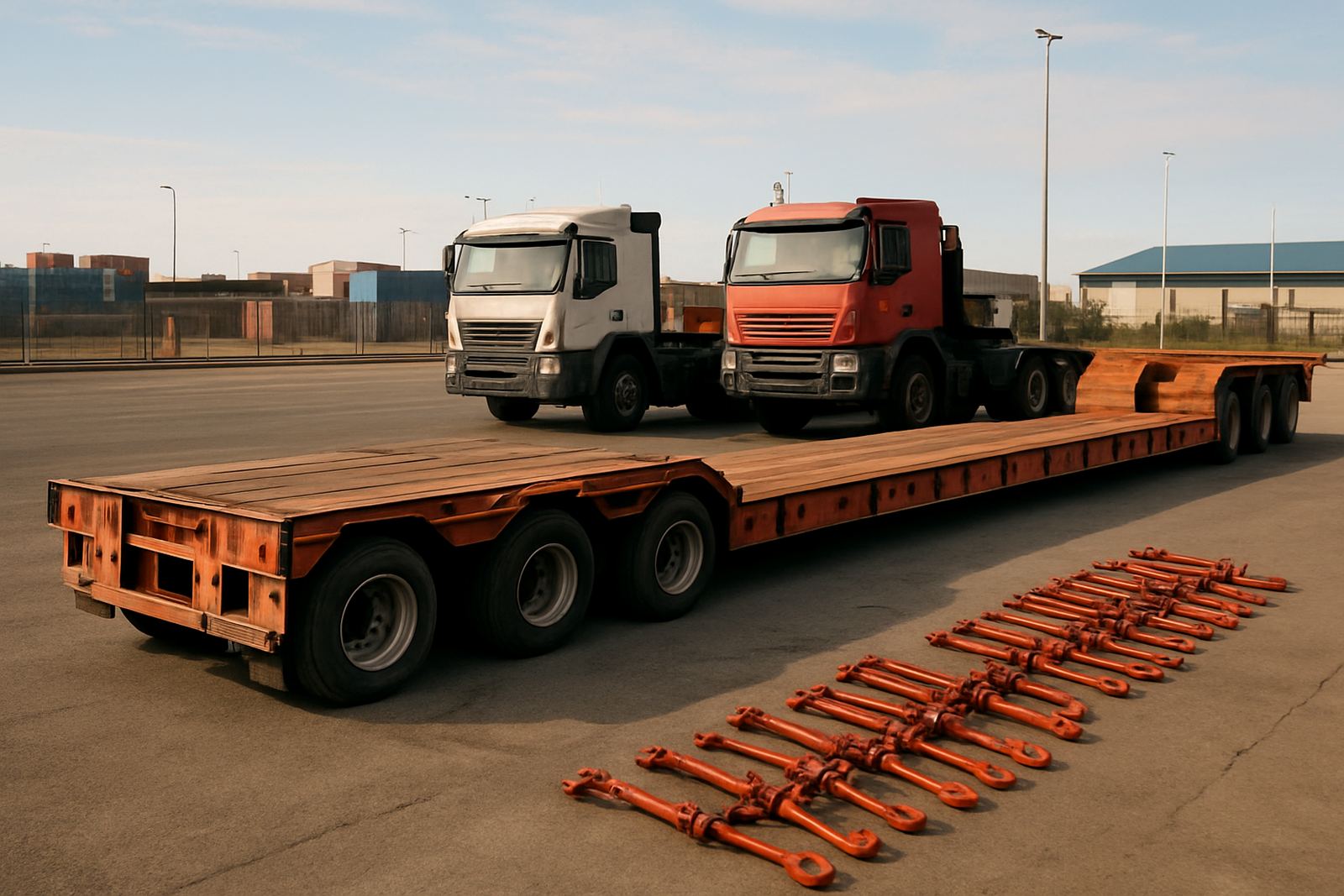
Because cranes often need special transport arrangements, we also plan road movement carefully. That means looking at route heights, bridge clearances, delivery windows and offloading access at the destination. If the crane is moving to a bonded yard, temporary storage can be arranged while the paperwork is completed. For clients in Johannesburg and Cape Town, we coordinate with the relevant clearing counter so the handover is handled without delay and the unit can move on to site as soon as it is released.
Document control is a big part of the job. Missing serial references or a wrong tariff code can hold up release, and that costs time and demurrage. We keep the shipping papers, customs entries and transport instructions aligned from the start, which helps avoid unnecessary back and forth between the port, the transport team and the client.
Installation, power needs and site readiness
Most mobile cranes do not need fixed site installation in the way stationary lifting equipment does, but the delivery site still has to be ready. You need a firm offloading area, clear access for the transport vehicle and enough space to position the crane safely once it arrives. If the machine is arriving in sections, final assembly and rigging must be planned by competent lifting personnel.
Some mobile cranes run on diesel and some have hybrid or auxiliary systems. We always ask for the fuel type, battery requirements and any control or calibration needs before delivery. If the unit will be used near live electrical lines, inside a plant or during night work, the site team should confirm the safety rules and local compliance steps first. In coastal Durban humidity can also affect electrical connections and exposed steel, so protective covers and storage matters more than many buyers expect.
- Confirm the delivery surface can take the wheel or outrigger load.
- Check overhead clearance at gates, canopies and power lines.
- Arrange trained lifting crews for commissioning and first use.
- Make sure fuel, oil and battery charging arrangements are ready on arrival.
Upkeep, servicing and key checks before buying
A mobile crane is a working asset that needs regular inspection, lubrication and record keeping. Tyres, hydraulic lines, boom sections, pins, cables and control systems should be checked on a scheduled basis. For machines used in coastal or dusty inland conditions, cleaning and corrosion control should be built into the maintenance plan from day one.
Before you place an order, ask for the exact capacity chart, transport dimensions, gross weight, year of manufacture, service history and any attachments included. Also check whether the machine has valid inspection records and whether spare parts are easy to source in South Africa. If a crane will be working on mixed jobs, it helps to know the minimum turning circle and whether the outriggers need extra matting. A small detail like that can change the whole delivery plan, especially where the yard is tight and access is limited.
- Load chart and working radius for the lifts you actually need.
- Overall length, width and travel height for road movement.
- Fuel type, battery condition and service intervals.
- Included accessories such as hooks, slings or jib sections.
Crane Movements Through Durban Johannesburg And Cape Town
We work from Durban, with support in Johannesburg and Cape Town, so clients can move cranes through the main logistics corridors with one point of contact. Our team understands port release timing, inland transport constraints and the paperwork that comes with machinery imports. That matters when you are moving high-value equipment for a project deadline or replacing a unit that must get back into service quickly.
Sibusiso Ntuli leads the business from Umbilo with operations support from Tumisang Mahlaba, Retief Labuschagne, Nomsa Dlamini, Luthando Mchunu and Fatima Cassim. Together we handle the practical side of import planning, customs clearing, cargo insurance and delivery scheduling so you can focus on the lift itself. If you are bringing in a mobile crane for Durban, Jet Park, City Deep or Paarden Eiland, we can coordinate the movement from ship to site and keep the process steady from start to finish.
Key facts
| Type | Mobile crane for import and inland delivery |
|---|---|
| Typical capacity range | 10 to 100 tonnes plus |
| Boom options | Telescopic boom, jib extension, hook block |
| Power/fuel | Diesel or auxiliary battery systems, depending on unit |
| Use areas | Sites, depots, ports, workshops and industrial yards |
| Delivery coverage | Durban, Johannesburg, Cape Town and main freight corridors |