Brake tester equipment for daily fleet and compliance checks
A brake tester is used to measure braking force and balance on a vehicle so a workshop or inspection lane can see if the system is within spec. It is common in fleet yards, commercial vehicle centres, and compliance focused workshops that work with trucks, bakkies, buses and mixed fleets. For operators running near Durban harbour, inland depots in Jet Park or City Deep, or workshops in Paarden Eiland, the main value is simple: faster checks and clear results before a vehicle goes back on the road.
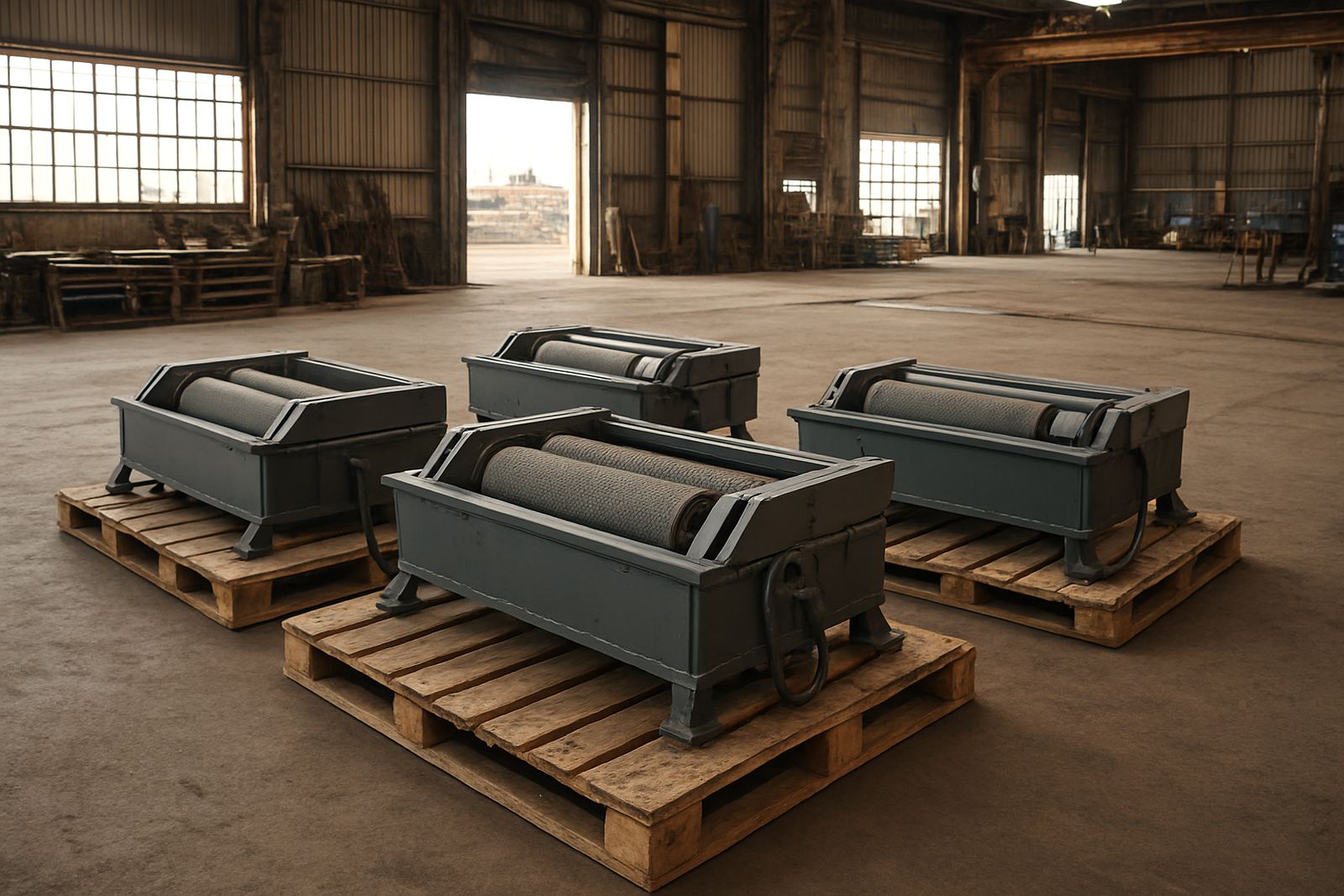
Most units are fitted into a fixed inspection bay and can be supplied as a roller type or plate type depending on space, axle load and the level of testing needed. Roller systems are generally better for repeat fleet work, while plate systems suit certain compliance workflows and lower profile installation areas. In humid coastal areas such as Umbilo and Springfield Park, we also look closely at corrosion resistance, sealed electrics and floor anchoring, because moisture and fine dust can shorten service life if the unit is under specified.
For South African operations, the right brake tester must match the vehicles being checked, the workshop traffic flow and the reporting format needed for internal fleet control or regulatory records. That means checking axle mass, wheelbase range, lane width, ramp height and whether the unit needs integration with a printout or digital record keeping system.
Typical sizes, layouts and options to compare
Brake testers are not one-size-fits-all. Lane width, axle loading and workshop bay length all affect the specification. A small site in a narrow municipal property may need a compact unit, while a freight depot or service centre with articulated vehicles may need a longer lane and higher capacity rollers. Before ordering, it helps to measure the bay from entry to exit and confirm the turning space around the lane.
Common options include:
- Single axle or twin axle roller sets for light commercial and medium duty vehicles
- Heavier duty lanes for trucks, buses and mixed fleet use
- Surface mounted or recessed installation depending on floor construction
- Digital readout with printer or data export for test records
- Remote control panel for the operator station
- Anti slip guides, entry ramps and wheel stop features
For workshops with limited power access during load-shedding, it is worth asking whether the control system can work with backup power or whether the lane needs a dedicated power feed from a protected distribution board. Some sites also combine brake testing with alignment checks, smoke testing or general inspection bays, so layout planning matters before the concrete is cut.
Where a brake tester suits best in South Africa
We see this equipment used in fleet depots, bus maintenance yards, agricultural service centres, municipal workshops and compliance focused garages. It is also practical for operators who move vehicles through the Durban harbour corridor and need a trusted pre-delivery or post-unloading check before the truck leaves the site. In areas such as City Deep and Jet Park, where vehicles cycle through often and time is tight, a well set up lane can reduce manual checking and keep vehicles moving.
Brake testers suit businesses that need repeatable results and proper records. That includes road transport firms, courier fleet operators, coach companies, heavy equipment yards and automotive workshops working on multiple vehicles per day. If your site is near the coast, or exposed to windblown dust and standing water, then the foundation detail and drainage plan must be considered before installation. A good unit can last well, but only if the floor stays level and the surrounding area is kept clean.
Sites with mixed vehicle sizes should confirm whether the same lane can handle light vans one hour and a heavier axle configuration later the same day. If not, you may need a broader platform or separate testing areas so the readings stay accurate and the traffic flow does not become awkward.
Installation needs, power supply and site prep
Brake tester installation is a civil and mechanical task. The bay must be level, the foundation must take the load, and the lane must allow safe entry and exit without wheel strike. For recessed units, the pit dimensions, drainage and cable routes should be prepared before delivery. Surface mounted units are easier to place in some older workshops, but they still need a clean slab and proper anchoring.
Most systems require stable electrical supply for the control box, sensors and display. The exact requirement depends on the model, but workshop planners should allow for a protected supply, earth leakage protection and surge protection, especially in areas where power interruptions are common. If the site uses backup generation or inverter support, the starting load and control load should be checked in advance. There is no point importing a unit only to find the electrical room is too far from the lane or the distribution board is full.
- Confirm floor thickness and slab condition before installation
- Check lane length against the longest vehicle to be tested
- Allow space for the operator station and safe walkways
- Plan drainage and cleaning access around the test bay
- Confirm power points and cable routing early
For coastal workshops, stainless or coated fittings can be a practical choice, especially where salt air reaches the yard. In inland sites, dust control and regular sweeping are usually the bigger issue. We also suggest allowing room for service access on both sides of the unit so technicians can work without taking the bay out of use for too long.
Care, servicing and keeping readings accurate
A brake tester needs routine care if the readings are going to stay dependable. Dirt, oil, loose stones and water can affect rollers, sensors and entry surfaces. The bay should be cleaned daily in a busy workshop, with a weekly check on moving parts, cables and safety stops. If the unit is used in a site with constant truck movement, more frequent inspection is sensible.
Basic servicing usually includes lubrication where specified, visual checks for wear, cleaning of the rollers or plates, and testing the display and controls. Any unusual noise, uneven roll, cable damage or irregular reading should be investigated early. It is cheaper to replace a worn component than to run a lane that gives poor data and causes repeat tests. On a practical level, one dirty sensor can slow a whole shift.
We also advise keeping the user records close to the equipment, with a simple log of inspections, faults and service dates. This helps the workshop manager see patterns and plan repairs before a busy month. If the site is handling compliance work for customers, a clear service history supports better traceability and fewer arguments at handover.
Checks to make before you order a unit
Ordering the correct brake tester starts with the vehicles you test most often. A lane built for light commercial vehicles will not suit a heavy truck workflow, and a narrow bay can become a bottleneck if the unit is too small. The best order is the one that matches the actual workshop pattern, not just the brochure rating.
When you enquire, have these details ready:
- Vehicle types and maximum axle loads
- Bay length, width and floor condition
- Whether the lane is recessed or surface mounted
- Power supply available on site
- Need for printouts, digital records or integration
- Coastal exposure, dust levels and cleaning routine
It also helps to confirm access for offloading at the site. In Durban, Springfield Park and Umbilo, we often plan around tight roads, deliveries with restricted turning space and loading times that must fit alongside warehouse traffic. If the unit is travelling inland, we look at port release timing, inland transport and site offloading so the equipment arrives when the bay is ready. That way the installation team does not lose a day waiting for clearances or a crane slot.
Key facts
| Type | Roller or plate brake tester for workshops and inspection lanes |
|---|---|
| Vehicle range | Light commercial, medium duty, buses and trucks depending on model |
| Capacity | Commonly supplied from 3.5 tonne up to 13 tonne per axle or higher |
| Power | Single phase or three phase supply depending on the control system |
| Installation | Surface mounted or recessed pit installation |
| Output | Digital display with print or record export options |