What a container chassis does in day to day freight work
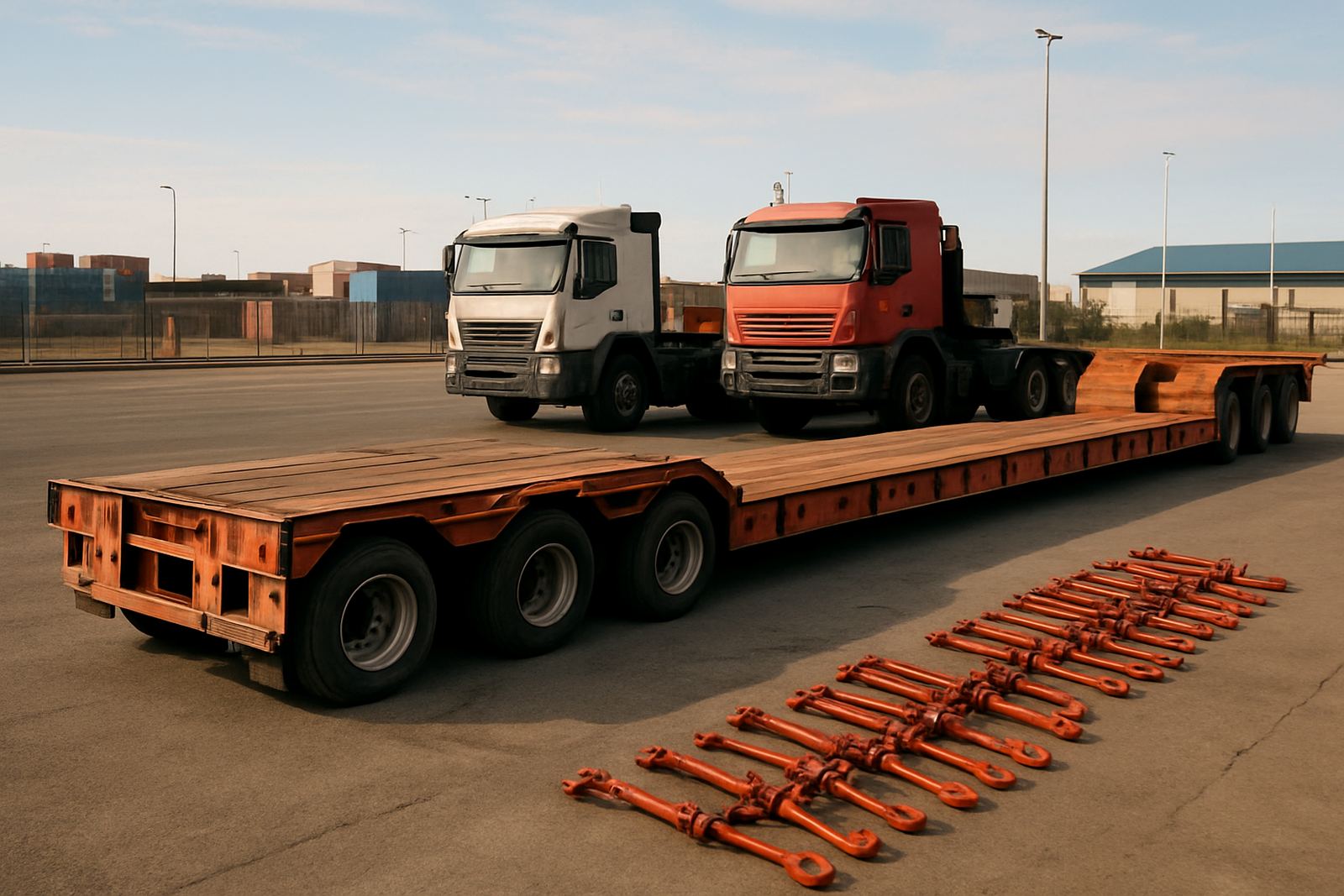
A container chassis is a road trailer built to carry one container by its corner castings. It is used for port drayage from Durban harbour, container transfer between depots, and regional moves between places like Umbilo, Springfield Park, Jet Park and City Deep. For operators in South Africa, the key job is simple: keep a 20 foot or 40 foot container stable, legal and easy to move with a prime mover or rigid truck setup.
These units are common in fleet work, export handling, automotive supply chains and import distribution. A good chassis saves time at the terminal because the container can be loaded, secured and released quickly. It also helps when road access is tight, for example in coastal warehouses where salt air, uneven yards and load-shedding related delays can make faster turnarounds very important.
Sizes, layouts and axle options to compare before you order
Most container chassis are ordered in standard 20 foot, 40 foot, or extendable configurations. A 20 foot chassis is suited to shorter containers and heavier cargo because the weight sits more centrally. A 40 foot chassis handles longer boxes and is common for general freight, retail stock and export backhauls. Extendable units can be adjusted for mixed container work, which helps if your operation moves different container lengths each week.
When comparing options, look at axle count, suspension type, twist-lock arrangement, kingpin position and tare weight. Local road conditions matter, especially for routes between the Port of Durban, inland depots and long haul corridors to Gauteng or the Western Cape. A lighter tare can improve payload, but it must still suit the load rating and the roads you use most.
- 20 foot fixed chassis for shorter containers and heavier concentrated loads
- 40 foot fixed chassis for general container movement and linehaul work
- Extendable chassis for mixed fleet use and variable container lengths
- Tri axle or tandem axle layouts depending on payload and road rules
- Air suspension or mechanical suspension depending on road comfort and maintenance budget
Where these chassis fit best in South African operations
Container chassis suit importers, clearing agents, freight forwarders, fleet owners and automotive logistics teams. They are a practical fit for port drayage where containers need to be collected from Durban harbour and moved quickly to a depot or unpacking point. They also work well for bonded storage sites, inland transport between provinces, and controlled yard movement where a container has to be shifted without unpacking the cargo.
They are often ordered by companies that handle tyres, spares, packaging, chemicals, machinery parts and palletised stock. If your site has narrow access or short turning space, the chassis spec should be checked against your yard layout. In coastal areas like Paarden Eiland, corrosion protection matters more, while inland sites around City Deep and Jet Park may focus more on durability and heavy cycle use.
- Port drayage from Durban Harbour to local depots or warehouses
- Transfer work between bonded stores and unpacking facilities
- Regional road freight for import and export containers
- Automotive parts distribution and factory supply runs
- Fleet operations that need predictable turnaround times
Installation, towing and power or gas needs
A container chassis does not need site power or gas in the normal sense, but it does need the right towing setup, coupling match and braking system for the prime mover or truck that will pull it. Before commissioning, check the kingpin height, fifth wheel fit, lighting, air lines and brake response. If the unit will work at a port or municipal site, make sure it complies with local roadworthy requirements and any depot access rules for axle loads or height limits.
For offloading at customer sites, the ground must be level enough for safe container handover. Uneven yards, soft gravel and wet concrete can all create trouble when a loaded container is being dropped or collected. In humid coastal conditions the air lines, brake parts and connectors need regular attention, because small faults can grow quickly if they are left too long. A quick check before the first trip saves breakdowns later on.
What to inspect when ordering a chassis for import
Before you place an order, match the chassis to the containers you use most and the road work you expect. A unit for short harbour runs may not suit long distance inland transport, and a chassis built for light duty can struggle under regular heavy cycles. Ask for the gross vehicle mass, tare weight, container lock positions and axle configuration in writing so there is no guesswork at customs clearing or at the depot.
It also helps to confirm the paperwork before shipment. Clearing teams often need a full equipment description, serial numbers, origin documents and transport details for tariff classification and port release. If the documentation is incomplete, the chassis can sit longer than planned at the terminal, and that adds cost. A little admin done early usually keeps the move smoother.
- Container size to be carried most often
- Axle count and load rating for your routes
- Twist-lock positions and compatibility with your container mix
- Suspension type, tyre size and spare parts availability
- Corrosion treatment for coastal use
- Serial numbers and compliance documents for clearing
Care, servicing and coastal wear management
Routine care keeps a chassis safe and economical. Check tyres, wheel nuts, brake lines, lights, reflectors and twist-locks before each run. Grease moving points on schedule and inspect the frame for cracks, bends or rust, especially after rough yard work or heavy braking. If the chassis spends time in Durban, Umbilo or other coastal areas, rinse off salt build-up where practical and treat any exposed steel before corrosion spreads.
For operators dealing with load-shedding, it helps to maintain a clear inspection routine so the unit is ready when yard lights or gate systems come back on. If the chassis is parked for a while, keep the brakes released where safe and protect tyres from standing water and direct sun. A bit of preventive care extends the working life and helps the unit hold value, which matters when fleets are refreshed every few years.
How Machines Africa Hub handles the import and clearing side
Machines Africa Hub supports container chassis imports through shipping coordination, customs clearing, tariff classification, port collection and inland transport. Based in Umbilo, Durban, with clearing counters in Johannesburg and Cape Town, the team works across Durban, Springfield Park, Jet Park, City Deep and Paarden Eiland. That means the paperwork, vessel booking and release work can be managed alongside the actual movement of the chassis.
The team can assist with bonded storage if the chassis needs to wait before dispatch, cargo insurance for transit protection, and site offloading at the final destination. Clients also deal directly with Sibusiso Ntuli, Tumisang Mahlaba, Retief Labuschagne, Nomsa Dlamini, Luthando Mchunu and Fatima Cassim, which helps keep the process clear from first quote to final handover.
Key facts
| Typical sizes | 20 foot, 40 foot, extendable options |
|---|---|
| Axle layouts | Tandem axle or tri axle, subject to payload and road use |
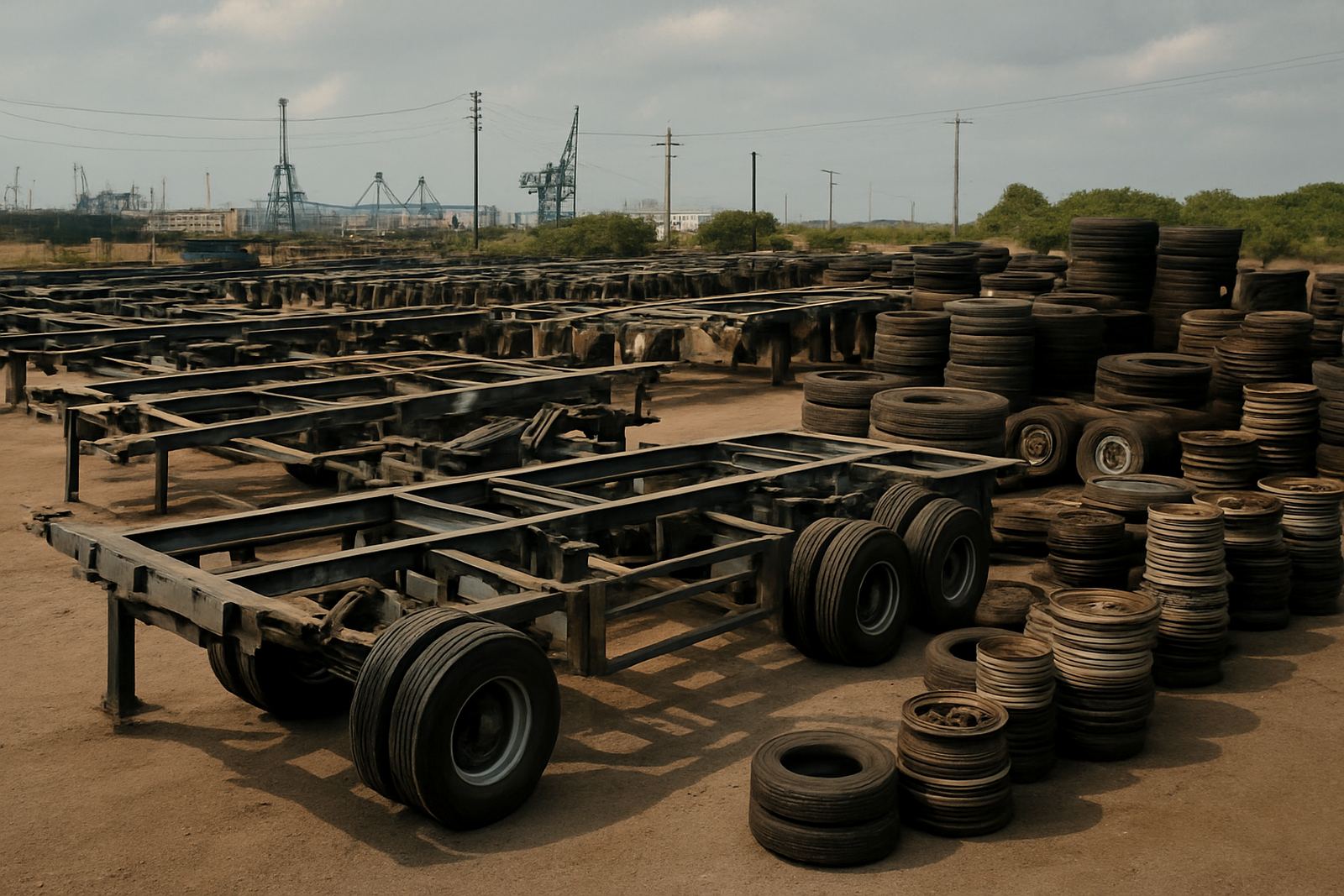
| Frame construction | Heavy duty welded steel chassis frame |
| Container fit | Standard ISO corner castings and twist-lock points |
| Running gear | Road tyres, braking system, lighting and coupling equipment |
| Primary use | Port drayage, depot transfer, inland container freight |