What a panel bender does on the shop floor
A panel bender is a forming machine used to bend sheet metal into precise angles and profiles with repeatable results. It is suited to work where flat blanks must be turned into trays, covers, cabinets, panels and housings with clean edges and consistent dimensions.
Compared with manual folding, a panel bender gives better control over bend quality and reduces variation between operators. That matters in fabrication shops handling batches for electrical enclosures, HVAC parts, mild steel components and coated sheets that must keep a neat finish.
For South African buyers, the main value is predictable output and lower rework. In a plant running on shift work or coping with load shedding, a machine that holds settings well can save time when power comes back and production must move fast.
Sizes and machine options to match the job
Panel benders are usually selected by bending length, material thickness and the level of automation needed. Common working lengths range from 1 250 mm to 3 250 mm, with larger units available for wider sheet sizes.
- Working length: 1 250 mm, 2 500 mm or 3 250 mm are common import choices
- Material capacity: often from 1.0 mm to 3.0 mm mild steel, depending on the machine build
- Control type: manual assist, semi-automatic or fully automatic formimg and folding cycles
- Tooling: standard tooling for general bends or special tooling for deeper returns and tight profiles
Some shops only need compact equipment for small batch work, while others need a higher-duty machine with faster cycle times for cabinet production or contract manufacturing. If the machine will run near the coast, ask for rust protection, treated panels and a storage plan for humid conditions in Durban or Paarden Eiland.
Where panel benders fit best in South Africa
These machines are a good fit for sheet metal workshops, enclosure makers, sign fabricators, HVAC shops, automotive component suppliers and general metalworking businesses. They are also useful where repeat bends must meet customer drawings without constant manual adjustment.
In places like Springfield Park, Jet Park, City Deep and Umbilo, a panel bender can support work tied to local manufacturing and export orders. It suits businesses that need cleaner output than basic folder equipment and want to cut down on hand finishing.
- Electrical cabinet and control panel fabrication
- Ventilation ducting and HVAC parts
- Truck bodies, covers and service panels
- Custom metal enclosures and signage frames
Installation, power needs and site readiness
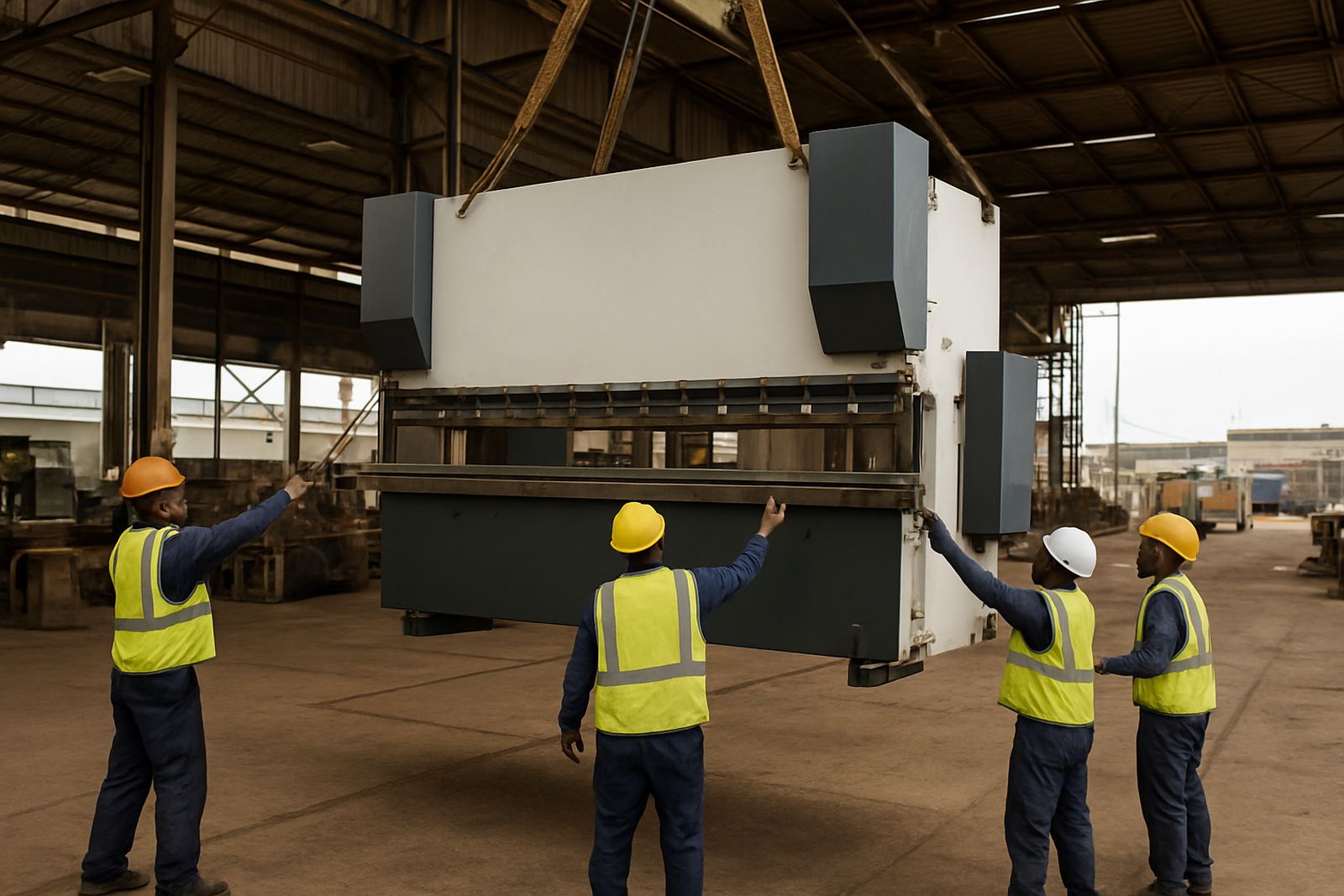
Before ordering, confirm floor space, access routes and lifting capacity at the receiving site. Panel benders can be long and heavy, so the offloading plan must match the truck, forklift or crane available at the premises. If the site is in a tight yard or upper floor workshop, measure gates, turning space and ramp angles first.
Power needs vary by machine size, but many units require three phase supply and stable voltage. A common setup may call for 380 V to 415 V, with the actual amperage depending on motor size and automation. In areas affected by load shedding, buyers should consider generator compatibility or backup power for control systems, because an abrupt stop in the middle of a cycle can interrupt production and create delays.
Compressed air may also be needed for clamping or assist functions on some models. Where air is required, check the pressure and line quality, and allow for drying if the workshop is near the coast and the air carries moisture.
Care, servicing and practical running costs
Good care starts with clean tooling, regular lubrication and daily checks for alignment, wear and loose fixings. Sheet metal dust and offcuts should be cleared from the work area so the machine bed and guides stay accurate. If the machine is used on coated or stainless sheet, extra care is needed to avoid marking the finish.
Operators should keep to the manufacturer’s service intervals and record any error messages, noise changes or movement delays. This helps a technician spot problems before they stop production. In a busy shop, a short service every few months can be cheaper than waiting for a breakdown and then paying for urgent repairs plus lost time.
Spare parts planning is worth doing up front. Keep a list of wear items, sensors, belts or hydraulic components if the machine uses them. For businesses working to municipal or client compliance rules, document maintenance dates and keep the machine manual on site.
What to check before placing an order
Panel benders differ a lot, so the order should be checked against the actual parts you plan to make. A machine that looks suitable on paper may not suit your bend radius, material thickness or production speed. Ask for full dimensional data and confirm the cycle times, because a few seconds per part becomes a big difference on larger batches.
- Maximum sheet size and thickness for the materials you use most often
- Power supply requirement, breaker size and whether a stabiliser is needed
- Machine weight for transport and site offloading planning
- Tooling included, plus any optional tooling for special jobs
- Control language, training needs and spare parts support
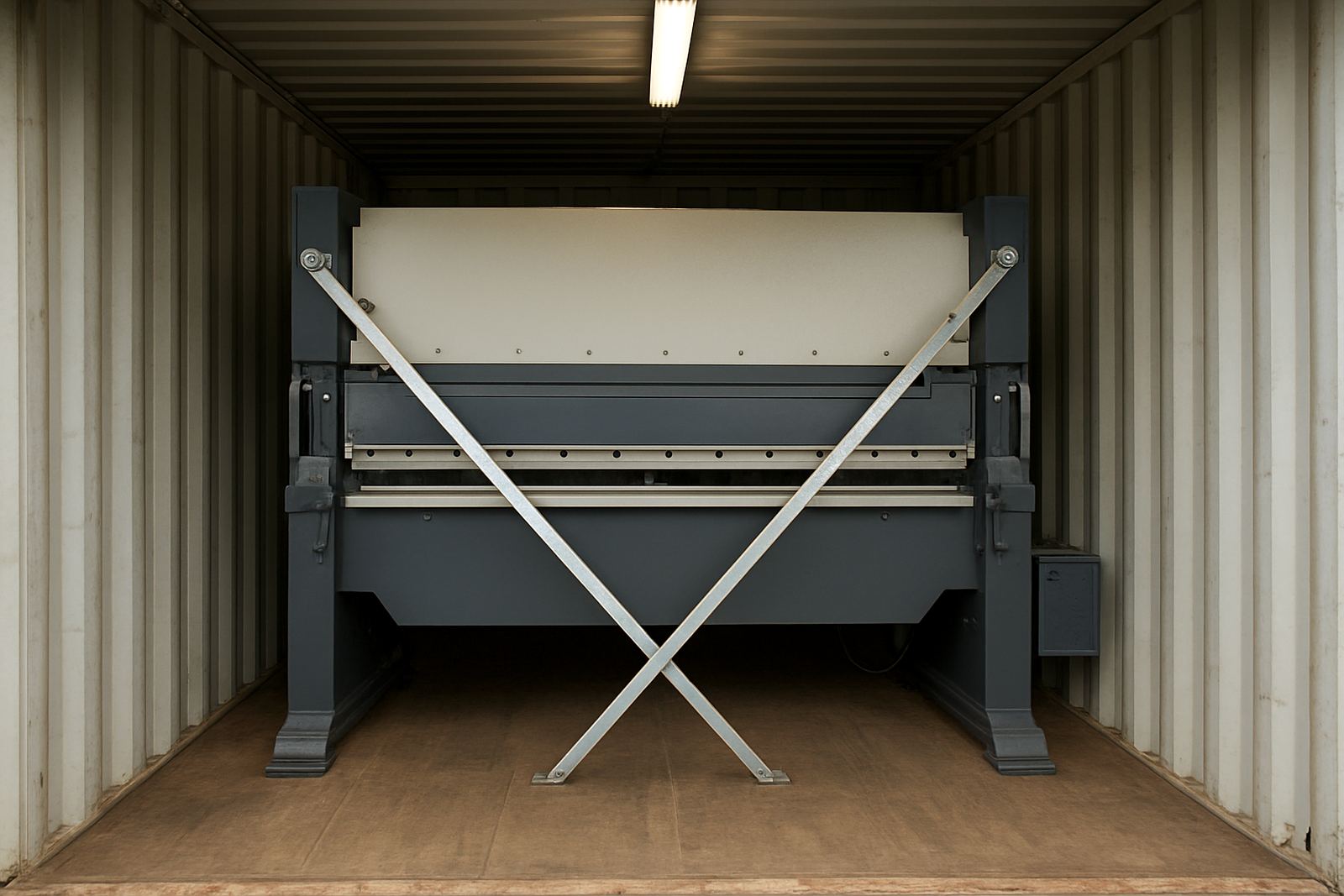
- Crating, corrosion protection and insurance cover during sea freight
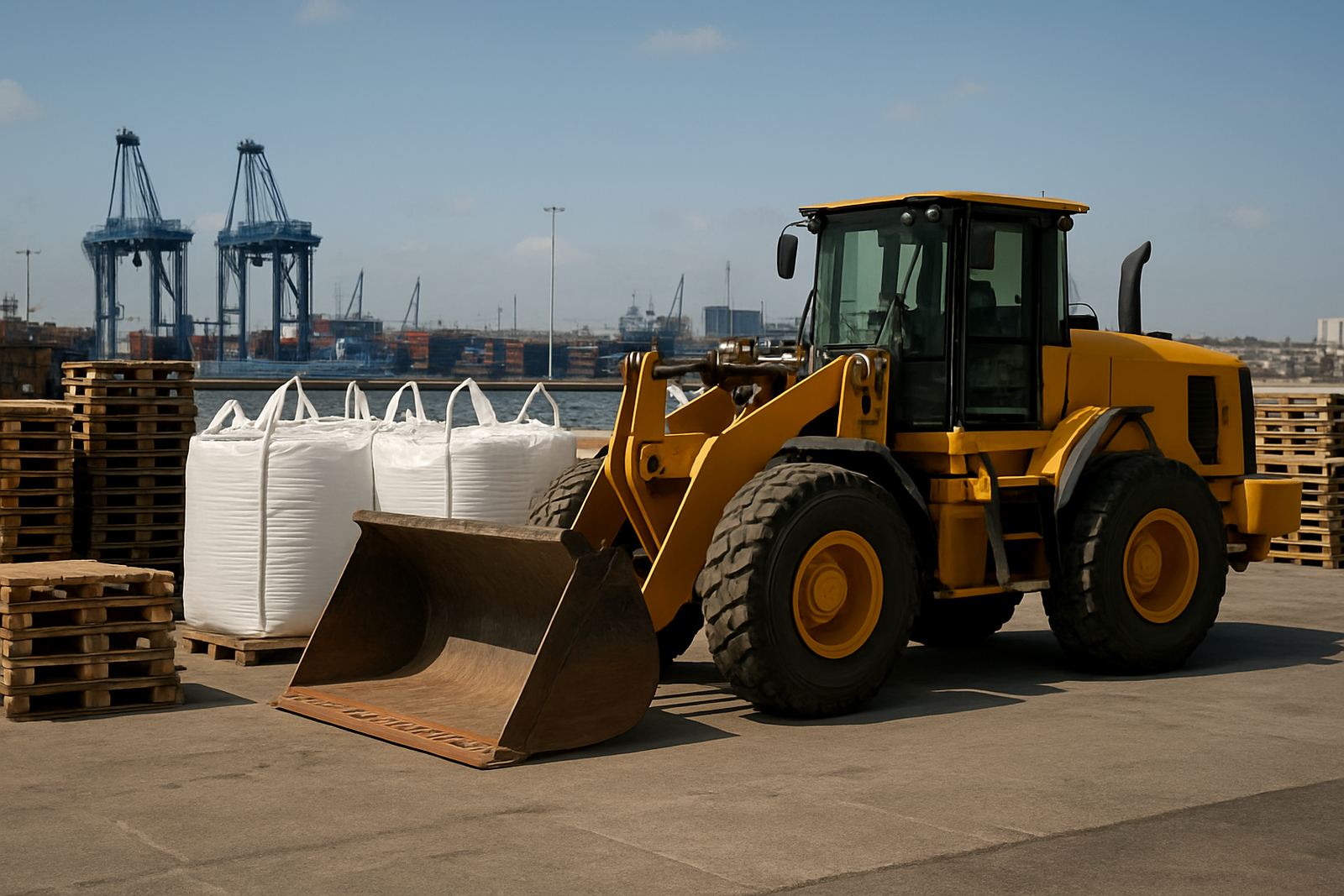
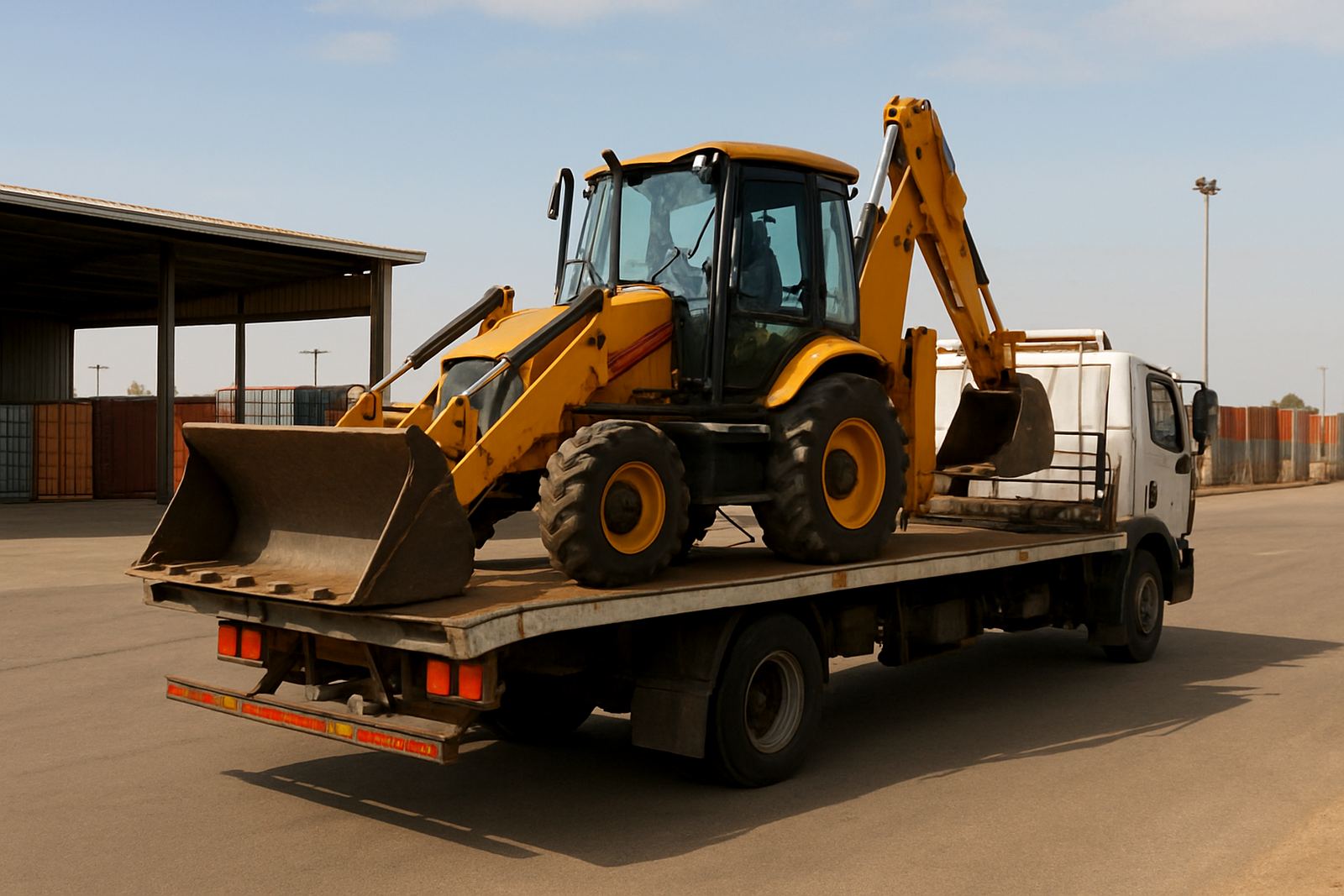
For imports through Durban, Johannesburg or Cape Town, Machines Africa Hub can align shipping, tariff classification, customs clearing and inland transport so the machine arrives with the right paperwork. That saves time at the port and helps avoid storage charges, which can climb quickly when a heavy unit sits uncollected.
Key facts
| Working length | 1 250 mm to 3 250 mm, depending on model |
|---|---|
| Material capacity | Typically 1.0 mm to 3.0 mm mild steel, model dependent |
| Power supply | Often 380 V to 415 V three phase |
| Air requirement | Some models need clean compressed air at site |
| Machine weight | Approx. 3 500 kg to 12 000 kg, depending on size and build |
| Application | Sheet metal forming for enclosures, covers, panels and fabricated parts |