What a truck tractor does in day to day transport work
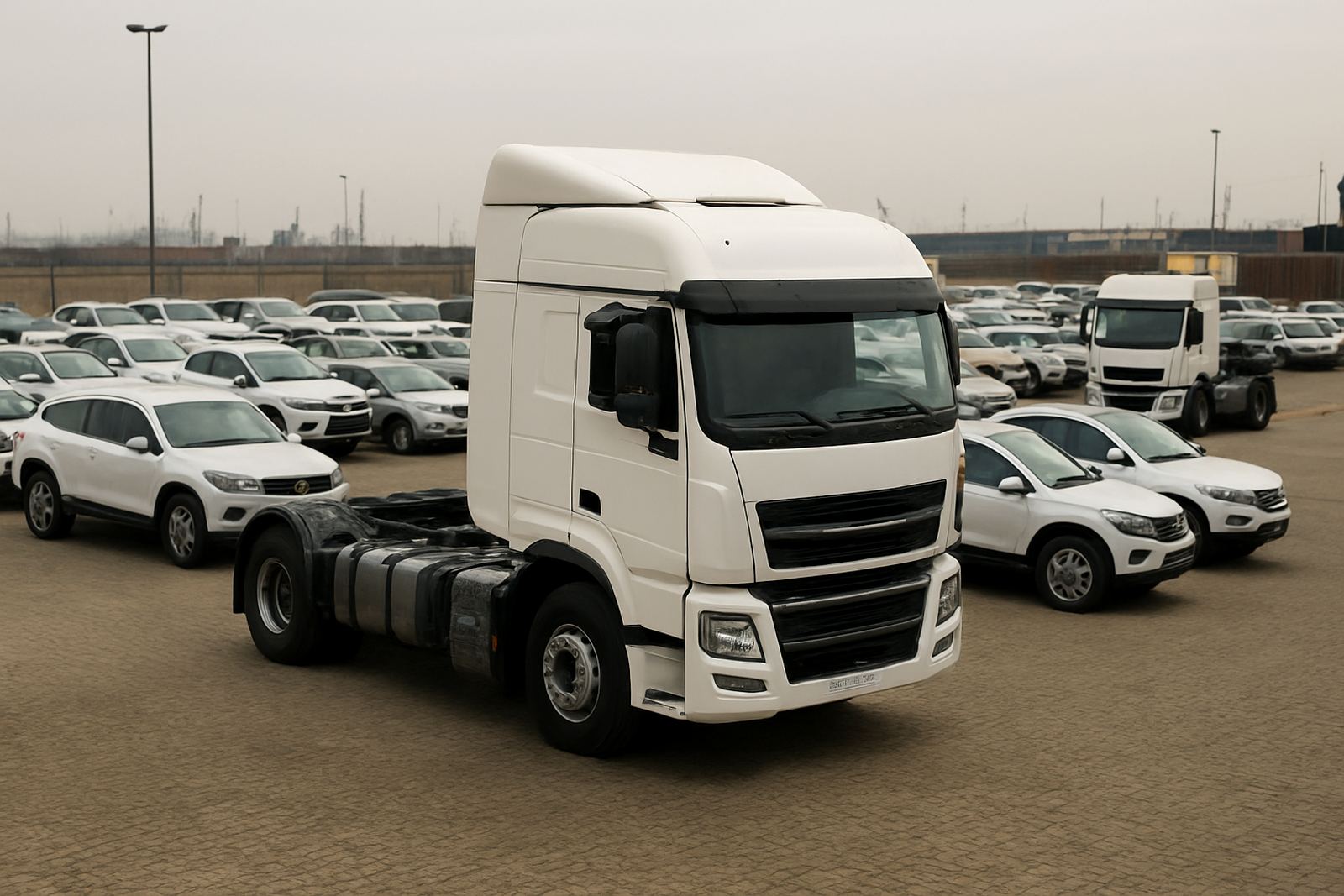
A truck tractor is the powered unit that pulls a semi-trailer, tipper, tanker or lowbed, depending on the fleet setup. It is used by logistics firms, distributors, mining support contractors and fleet operators who need more hauling capacity without buying a complete rigid truck every time. In South Africa, these units are common where freight moves between the port, inland depots and customer sites that need regular load movement.
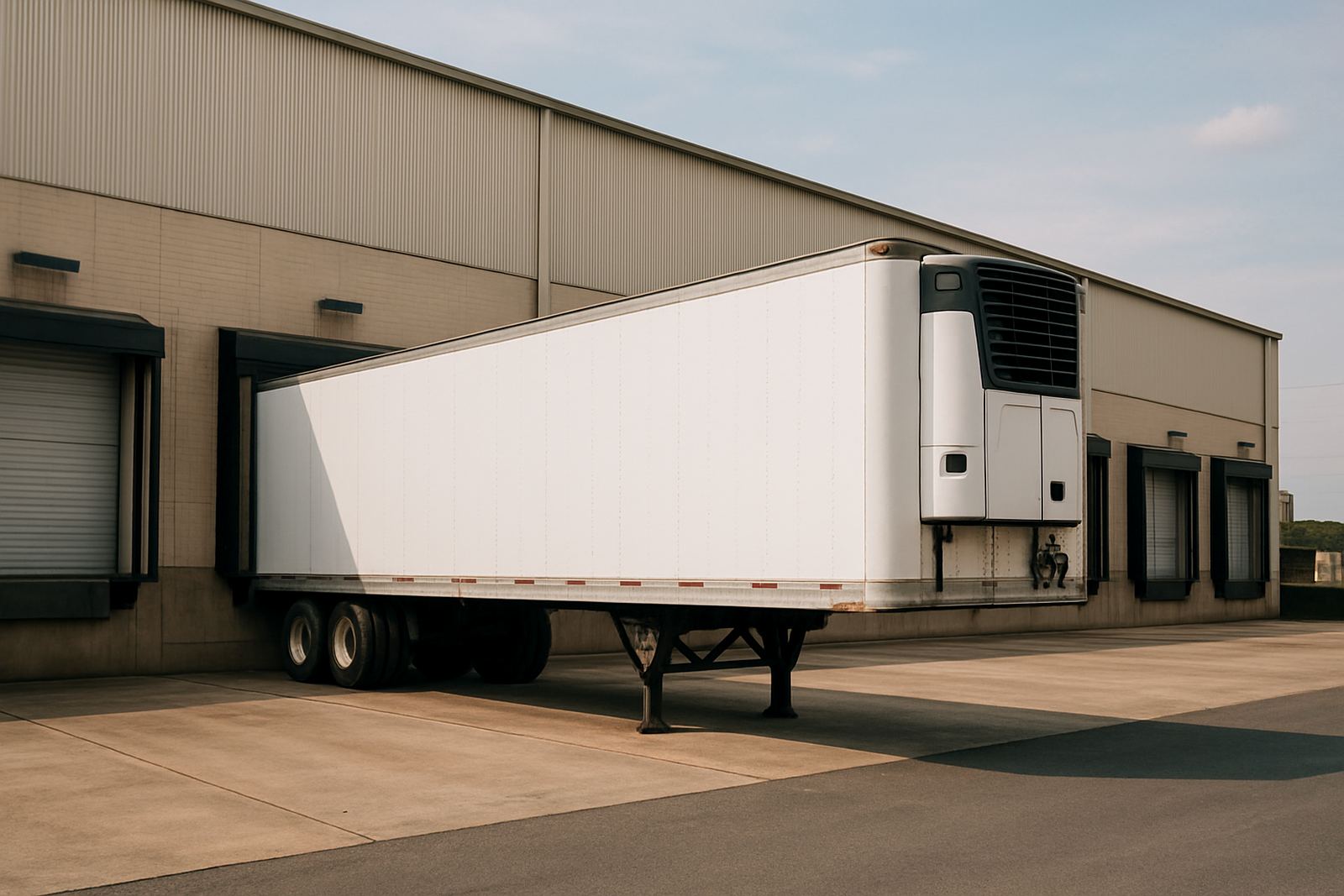
For yard work, a truck tractor can also be set up for short shuttles between a warehouse, cold store or cross-dock point. That makes it useful where trailers are swapped often and time matters. Operators in Durban, Jet Park, City Deep and Springfield Park often want a unit that can handle stop-start work, tight turning, and long idling periods without giving trouble.
- Typical use: linehaul, depot shunting, container moves and trailer repositioning
- Common industries: logistics, fleet rental, agriculture, fuel, construction and automotive supply
- Best for: businesses adding capacity without reworking the whole fleet mix
Sizes, axle setups and cab options to look at
Truck tractors come in several practical formats. The most common are 4x2 units for general transport, 6x2 for heavier highway work, and 6x4 for tougher applications where traction is needed on rough access roads or site entrances. For a busy coastal operation, the right choice often depends on payload, trailer type and the kind of road the unit will work on most days.
Cab size also matters. A sleeper cab suits drivers on long routes between Durban, Gauteng and the Cape. A day cab can make more sense for local shuttle work where the truck returns to base each evening. If the tractor will spend time in humid coastal air or near the harbour, ask for corrosion protection on exposed metal parts, wiring looms and air system fittings.
- 4x2: lighter, better fuel use for standard linehaul and distribution work
- 6x2: good balance for heavier road transport and longer routes
- 6x4: better traction for site access, steep yards and mixed terrain
- Sleeper cab or day cab: choose based on route length and driver rotation
Where a truck tractor fits best in South African operations
Truck tractors suit operators who need to move trailers between ports, inland terminals, warehouses and customer sites. They work well in freight corridors where the load changes often and downtime is expensive. That is why they are common in the Durban harbour corridor, around Umbilo and Springfield Park, and in inland hubs like City Deep and Jet Park.
They are also useful for automotive parts movement, container handling, fuel distribution and general freight. If your fleet has seasonal spikes, a tractor can be brought in to cover peak periods, then moved onto other work once volumes settle. That helps avoid overbuying equipment for a short peak season, which happens more often than people like to admit.
- Port and container operations
- Cross-border and long-distance linehaul
- Depot shuttle and trailer exchange work
- Contract fleet support for busy periods
Import, clearance and inland delivery from port to yard
Machines Africa Hub handles the import planning, shipping coordination and customs clearing needed to bring a truck tractor into South Africa. We also deal with tariff classification, document management, cargo insurance, bonded storage and port collection. That matters because a tractor can be held up by missing paperwork, wrong invoice detail or a bad classification and then demurrage starts adding up.
Our Durban base in Umbilo supports the harbour corridor, while our clearing counters in Johannesburg and Cape Town help move stock through the main inland and coastal routes. For clients who need the unit delivered to a working yard, we arrange inland transport and site offloading so the tractor arrives where it is needed, not sitting at the wrong terminal for days.
- Import planning before cargo leaves the supplier
- Customs clearing and tariff guidance
- Port collection and inland transport to your site
- Bonded storage if timing does not line up yet
Power needs, coupling checks and site preparation
A truck tractor does not need a fixed electrical installation like static plant does, but it does need the right operating conditions on site. Before delivery, check turning space, access width, ground strength and whether the tractor will need to move through a narrow gate or over a ramp. In wet weather, clay yards and soft shoulders can become a problem very quickly.
When the unit arrives, the fifth wheel, air lines, electrics, tyre pressure and coupling height must be checked against the trailer fleet. If the tractor will work in a depot with frequent shunting, make sure the yard surface is compacted and free of loose gravel. Load-shedding can also affect some depots when lighting, gates and weighbridges rely on backup power, so site access needs to be planned with that in mind.
- Check turning radius and gate width before delivery
- Confirm fifth-wheel height and kingpin compatibility
- Make sure yard surfaces can take axle load and repeated turning
- Plan night access and backup lighting if the site works after hours
Servicing, corrosion control and daily care
Truck tractors need regular inspections if they are to stay reliable on long routes. Daily checks should cover tyres, lights, air leaks, brake response and fluid levels. Weekly attention should include suspension wear, coupling wear and the condition of hoses and connectors. If the unit runs in coastal Durban or around the harbour, extra care is needed because salt and moisture can shorten the life of exposed parts.
Servicing intervals depend on the make and working cycle, but fleets usually plan around mileage, idle time and load severity. A tractor doing long highway runs will wear differently from one doing short shunt work with many starts and stops. Spare parts availability should also be considered before import, especially for operators with limited workshop cover or a small maintenance team.
- Daily: tyres, lights, air pressure and leaks
- Weekly: coupling, hoses, suspension and brake wear
- Monthly: fluids, filters and electrical connections
- After coastal work: wash down salt and inspect fasteners
What to confirm before placing the order
Before ordering, confirm the gross combination mass you need, trailer type, axle configuration and route profile. It helps to know whether the tractor will run mainly on tar, mixed surfaces or yard work. We also ask for the site address, preferred landing port, and whether you need Durban, Johannesburg or Cape Town clearance. That way the shipment, papers and delivery plan line up properly from the start.
You should also check the following details with the supplier or seller before funds move. These points prevent costly rework after arrival, and they matter even more when the truck tractor is joining a fleet that already has standard trailers or special-purpose units.
- Engine output and gearbox type
- Axle count, suspension type and fifth-wheel spec
- Emissions standard and fuel type
- Odometer or engine-hour reading
- Spare keys, manuals and service records
- Any export paperwork, deregistration proof and release documents
Key facts
| Type | Truck tractor for pulling semi-trailers and yard trailers |
|---|---|
| Typical drive formats | 4x2, 6x2 or 6x4 |
| Cab options | Day cab or sleeper cab |
| Common power range | 280 hp to 540 hp, depending on duty |
| Typical gross combination mass | Up to 60 tonnes where regulations and configuration allow |
| Clearing and delivery points | Durban, Umbilo, Springfield Park, Jet Park, City Deep, Paarden Eiland |