What an alignment machine does in a busy workshop
An alignment machine checks and corrects the angle of a vehicle’s wheels so the tyres track straight and wear evenly. In day to day use it helps with steering pull, uneven tyre wear, vibration complaints and repeated suspension adjustments. For a tyre centre or repair workshop, it is one of the first pieces of equipment that turns general fitting work into a proper alignment service.
Most systems use either laser, camera or sensor based measurement. The operator drives the vehicle onto the rack, clamps the wheels, takes readings and then adjusts camber, caster and toe where needed. Good readings depend on level flooring, enough bay length and a clean work area, especially in coastal towns where dust and humidity can affect moving parts and electronics.
- Suitable for passenger cars, bakkies and many light commercial vehicles
- Useful after suspension repairs, tyre replacements and steering work
- Can support fleet maintenance where tyre life matters
Sizes and system options for South African workshops
Alignment machines come in several layouts, so the right choice depends on the size of the bay and the type of vehicles you handle. Smaller workshops often choose a compact four-wheel alignment setup with a short runway and portable heads. Larger tyre centres and fleet depots may prefer a longer rack with more lifting height and quicker set up between jobs.
Typical options include 3D camera systems, digital CCD systems and simpler laser units. A 3D system is usually best where speed and repeatability matter. CCD units are common in general workshops and give solid results when maintained properly. Laser units can suit lower volume businesses, but they need careful setup and skilled operators. If you work with 4x4s, minibuses or light trucks, check the clamp size and the wheel diameter range before ordering.
- Passenger car systems for 14 to 22 inch wheels
- Light commercial systems with wider tracks and longer runways
- Mobile or portable kits for service teams and field work
- Computerised systems with printout or digital report functions
Where this equipment fits best
Alignment machines are a strong fit for tyre centres, suspension specialists, general repair workshops and fleet service points. They also suit fitment stores that want to add higher value work instead of only selling tyres. In Durban’s harbour corridor, many businesses use this equipment to support logistics fleets, courier vans and delivery vehicles that cannot spend days off the road.
It also makes sense for operations in Jet Park, City Deep and Springfield Park where vehicles come in and out all day. If your customer base includes taxi operators, panel shops or company fleets, alignment work can improve turnaround and create repeat business. In Cape Town, coastal air and road grime can increase the need for regular checks on vehicles that travel between Paarden Eiland, the port and industrial areas.
- Tyre fitment centres looking to add alignment services
- Workshops handling steering and suspension repairs
- Fleet depots with regular preventative maintenance
- Automotive businesses serving taxis, bakkies and delivery vans
Installation, space and power checks before the machine arrives
Before shipping, the workshop must be ready for the equipment to land and be installed. Alignment machines need a level floor, enough ceiling height for the lifting area and clear access around the bay. A standard installation often requires a 220V single phase supply for the computer and sensors, while some heavy duty racks or compressors may require 380V three phase power. If the site has load-shedding, a backup inverter or generator plan should be checked early so the machine does not sit idle.
Air supply may also be needed for wheel clamps, lift locks or related workshop tools. In humid areas close to the coast, storage should be dry and well ventilated. If the unit will be installed at a new site, confirm the floor thickness, anchor points and door opening height before booking transport. Small mistakes here can delay commissioning and add extra handling costs.
- Check floor level and anchor spacing
- Confirm available voltage and phase
- Make sure there is room for the vehicle and technician to move safely
- Plan for cable routing and basic surge protection
Care and servicing that keep readings accurate
Alignment machines need regular care because small faults show up quickly in the readings. Clean the sensors or camera targets, check cables and plugs, and keep the wheel clamps free of grit. Dust, vibration and poor storage can throw off calibration. If the machine is used all day, a quick daily check is worth doing before the first job starts.
Service intervals depend on usage, but many workshops check calibration monthly and give the system a fuller inspection every six to twelve months. Keep the software current where applicable and replace worn pads, adapters and locking parts before they fail. If the machine is moved between bays or sites, it should be checked again after transport, because even a small knock can affect accuracy.
- Clean sensors and targets after use
- Inspect clamps, cables and moving parts weekly
- Recalibrate after relocation or hard impact
- Store accessories in a dry room to avoid corrosion
What to check when ordering an alignment machine import
Ordering the wrong unit can be expensive once shipping, clearing and inland transport are added. Start with vehicle mix, daily job volume and the space available on site. Then confirm the technical details, spare parts support and packing dimensions. If the machine is going into a bonded store first, the paperwork should match the serial numbers, model description and final consignee details exactly.
It also helps to check how the seller documents the machine for customs. Accurate tariff classification and clean paperwork reduce delay at Durban harbour or inland clearances in Johannesburg and Cape Town. Machines Africa Hub can assist with import planning, customs clearing, port collection and delivery to Umbilo, Springfield Park, Jet Park, City Deep or Paarden Eiland. That saves time when the load has to move quickly to a workshop or fitment bay.
- Model type, lift style and wheel size range
- Voltage, phase and air requirements
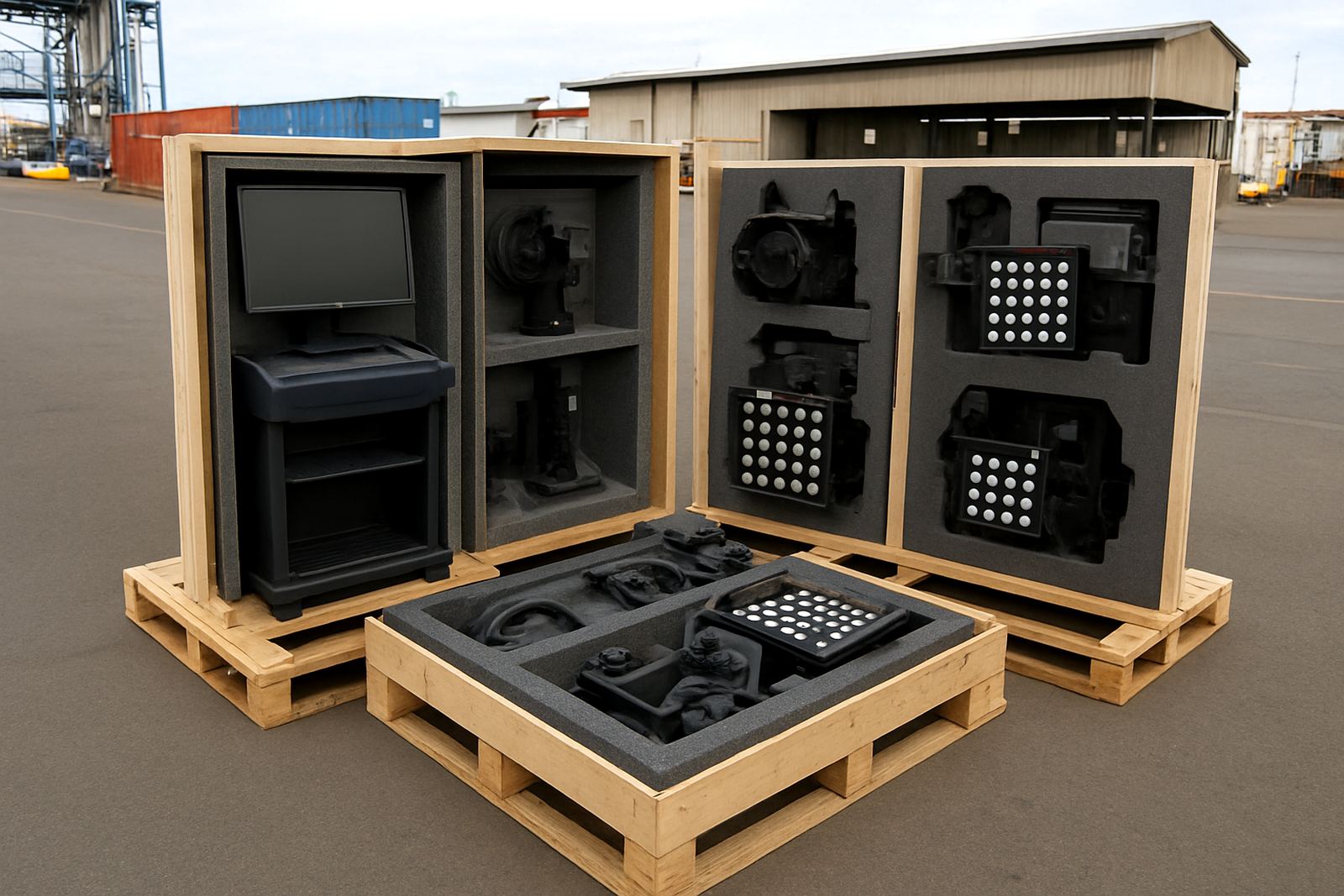
- Packing size, crate weight and delivery access
- Spare parts list and calibration instructions
- Invoice wording and country of origin details
Key facts
| Equipment type | Wheel alignment machine for workshops, tyre centres and fleet servicing |
|---|---|
| Power | Commonly 220V single phase, some models 380V three phase |
| Vehicle range | Passenger cars, bakkies, minibuses and selected light commercials |
| Measurement system | 3D camera, CCD digital or laser depending on model |
| Space needed | Level bay with clear run-up, lift clearance and safe operator access |
| Import support | Shipping, clearing, tariff classification, port collection and inland delivery |