
When farm logistics gets stuck at the port
Agricultural logistics businesses usually need machinery moving between the harbour, inland depots, packhouses and farms with very little room for delay. In Durban, a late discharge can mean missed seasonal work, a trailer sitting idle in Umbilo, or a support vehicle waiting in Jet Park while permits and release notes are chased. We work with clients who move equipment across KwaZulu-Natal, the Free State, Limpopo and the Cape, and the paperwork has to match the load before the truck leaves the gate.
For agri logistics operators, the problem is rarely one item. It is often a mix of tractors, tipping trailers, utility vehicles, telehandlers, irrigation support units and mounted equipment coming in on different shipping lines and arriving at different times. If the import plan is not set early, clients end up paying storage, extra handling and demurrage that could have been avoided. A missing serial number or the wrong tariff code can hold a whole consignment, not just one pallet.
Typical equipment we clear for the agricultural sector
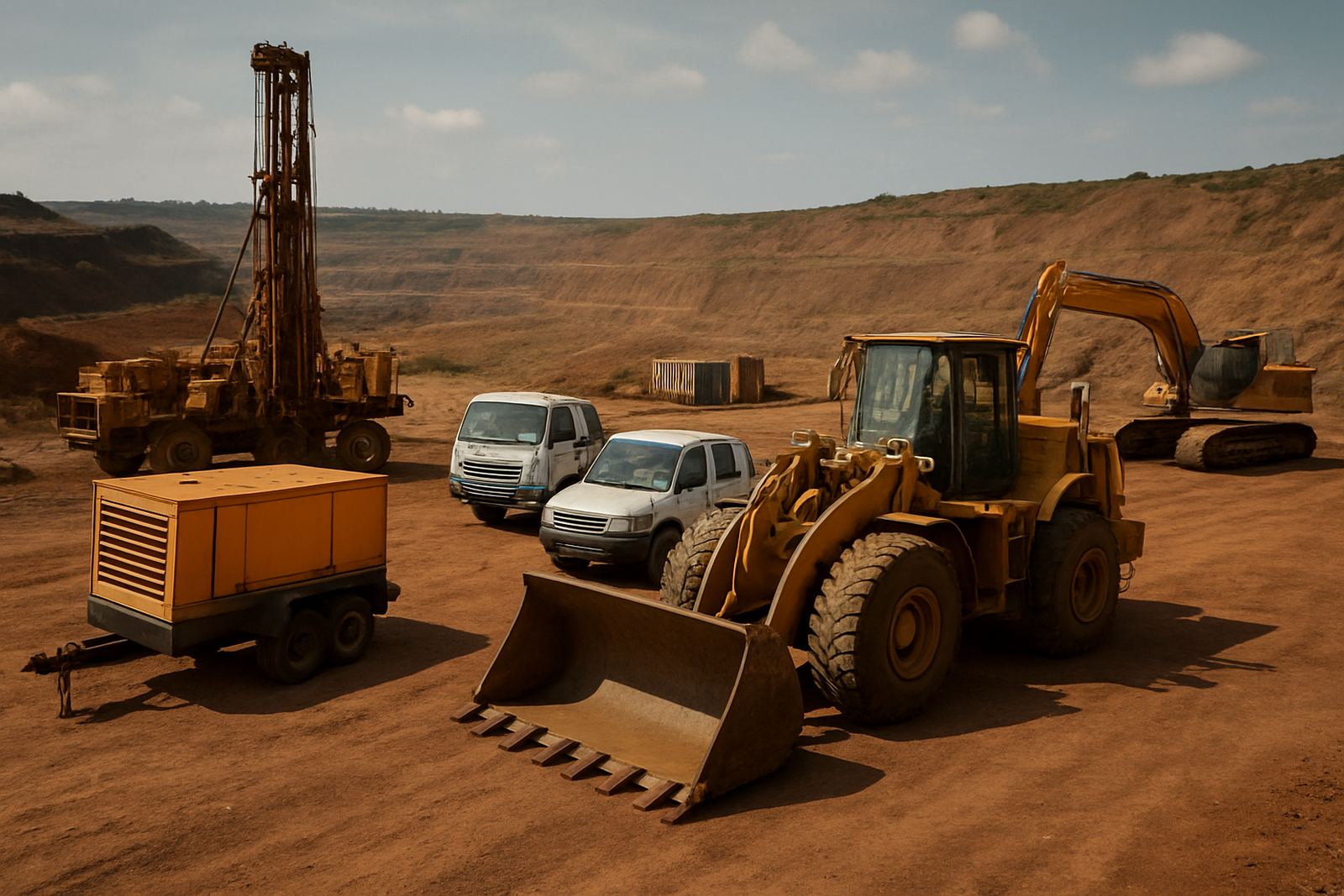
We handle machinery and support plant for contractors, distributors and fleet operators serving farms and agri depots. That includes equipment for moving feed, loading harvests, maintaining roads, repairing fences and keeping irrigation and workshop operations going. Some clients bring in complete fleets, others bring in one machine at a time as projects grow.
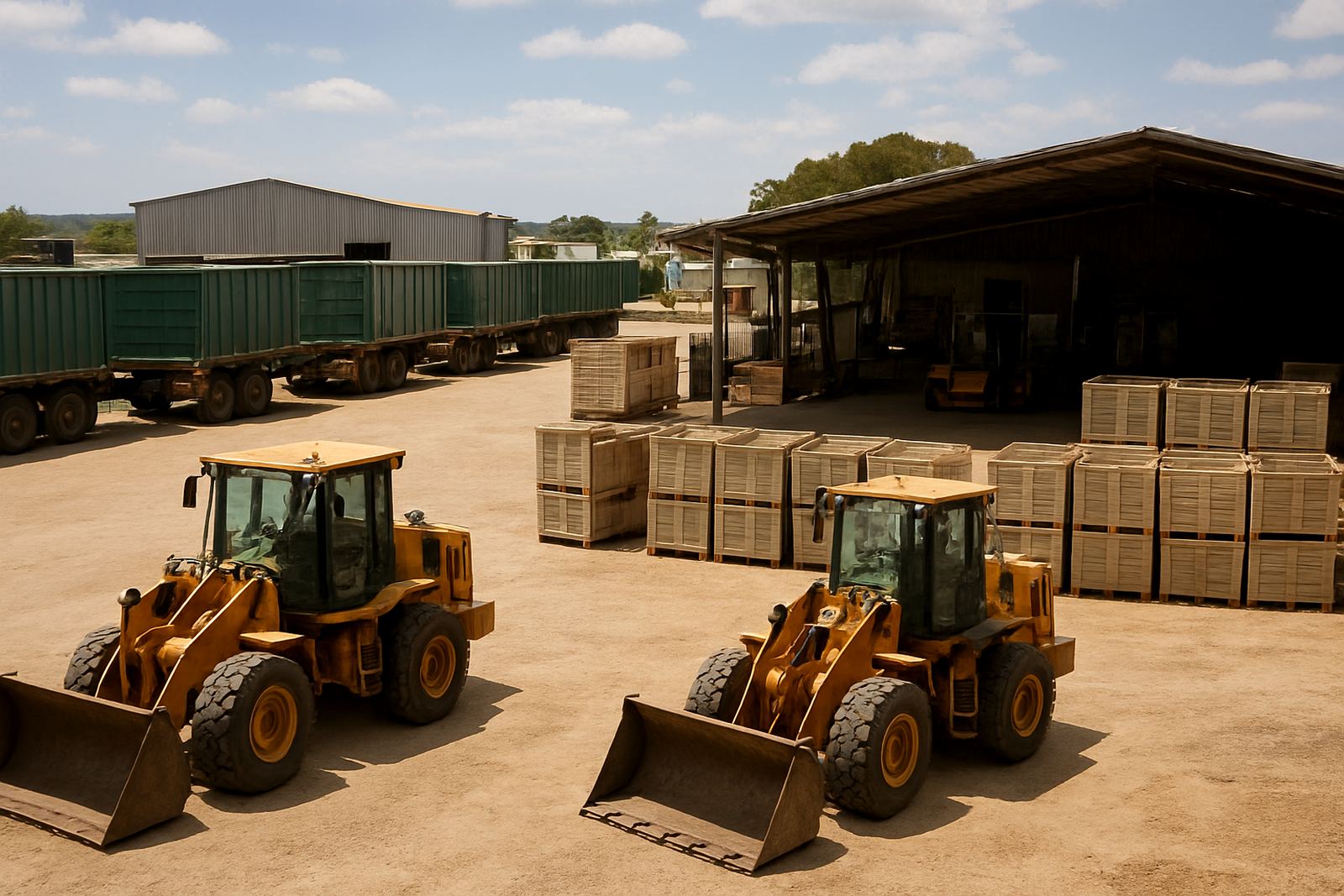
- Trailers, flatdecks and tankers used for farm transport
- Tractors and utility vehicles for field and depot work
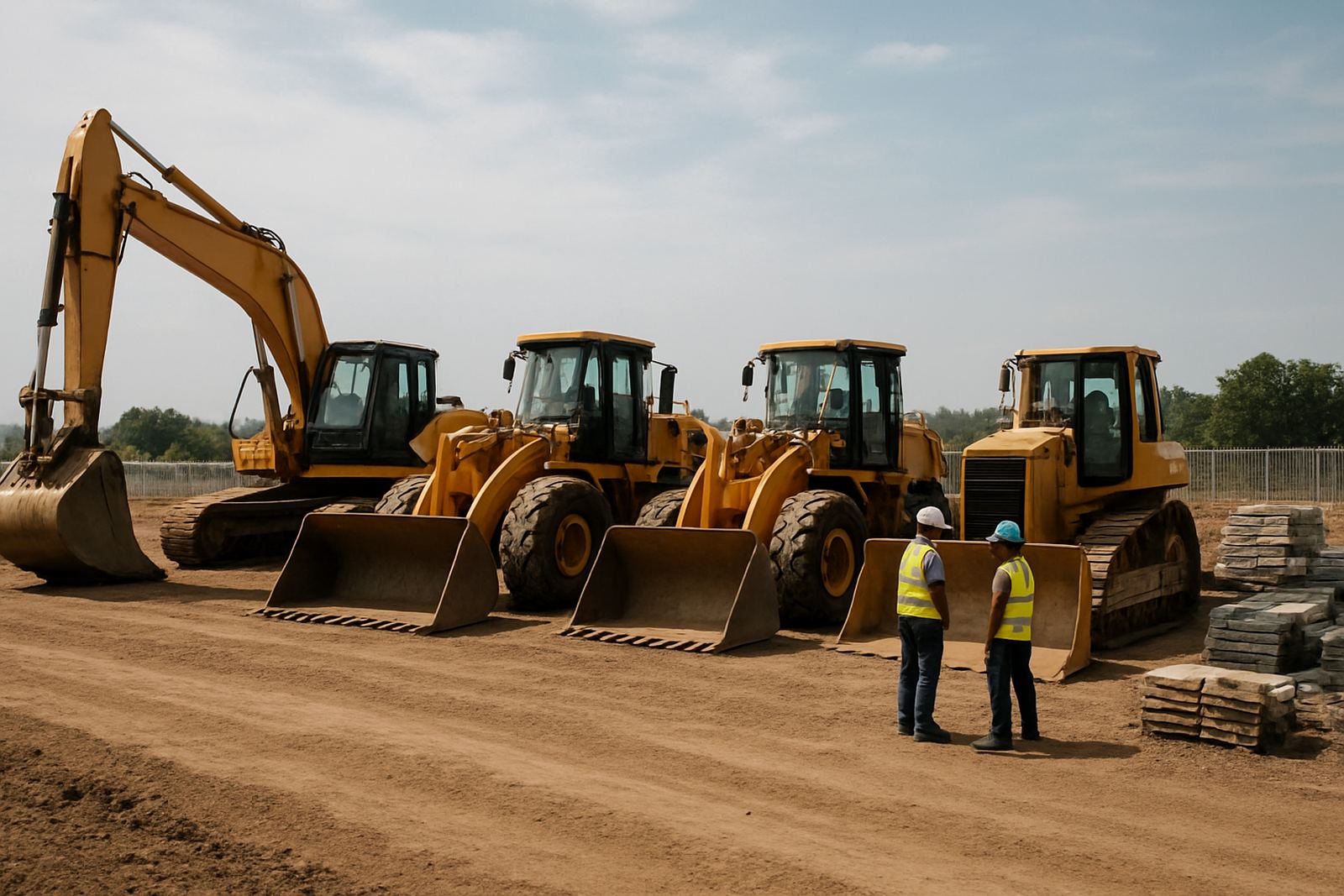
- Loading and lifting plant for handling fertiliser, seed and produce
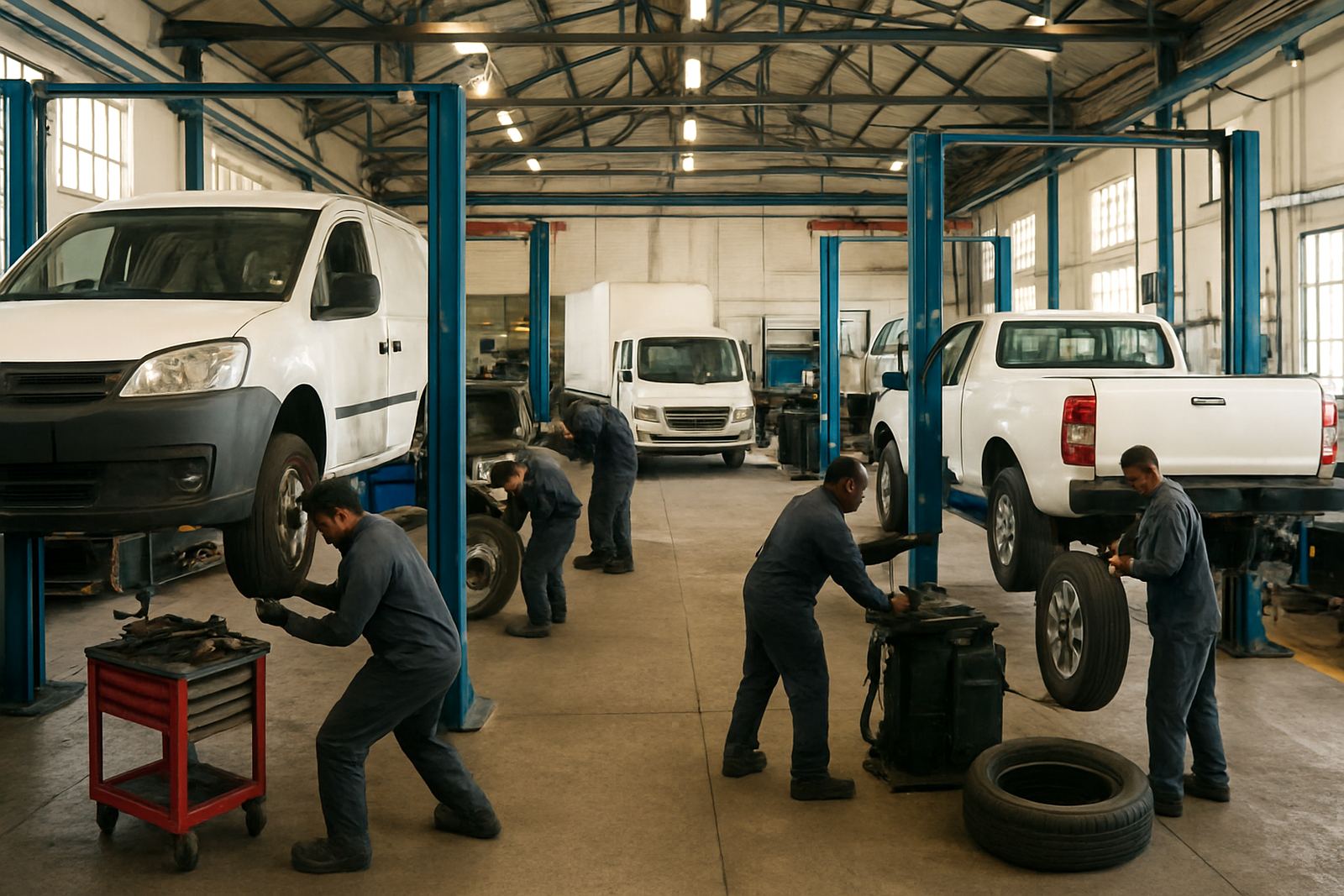
- Workshop machines, compressors and generators for maintenance teams
- Irrigation support equipment, pumps and pipe handling plant
- Spare axles, wheels, fittings and attached implements
In coastal areas such as Durban and Paarden Eiland, we also watch corrosion risk on exposed metal and recommend packing and storage steps that reduce rust while cargo waits for release. Around the harbour corridor, that matters a lot more than people think.
How to plan space, access and offloading before the machine lands
Agri logistics loads are often larger than they look on the invoice. A compact machine can still need wide turning space, lifting gear, a lowbed, and an offloading point with firm ground. Before cargo lands, we look at the route from port to site, the height limits on local roads, the condition of yard access, and whether the receiving side has a forklift, crane or ramp available. In places like Springfield Park and City Deep, access rules and operating hours can affect the plan just as much as the vessel schedule.
We also advise on document flow. Commercial invoice, packing list, import permits where needed, proof of insurance and correct consignee details should all be aligned before arrival. If the load is headed to a farm outside Pietermaritzburg or up toward Polokwane, one bad document can mean the truck waits while the client pays for storage and overtime, and that adds up fast.
- Confirm axle weights and road route before booking transport
- Check if the site can handle lowbed access and turning radius
- Match release documents to the exact machine and serial number
- Plan for bonded storage if cargo must wait for permits or funds
- Schedule site offloading during daylight, especially in load-shedding areas
Common mistakes that cost agri operators money
The biggest mistake is leaving the clearing process until the machine is already on the water. When that happens, the client may not have tariff classification confirmed, the line may not have all release documents, and the receiving yard may not be ready. Another common issue is underestimating inland transport from Durban to the interior. What looks like a simple road move can become expensive if the cargo needs escorts, route checks or a waiting permit.
We also see problems with mixed consignments. A tractor, trailer and support parts may arrive under different descriptions, but the client wants one release. If the documentation is not consistent, customs may query the shipment and the port can hold it. Small errors matter: a wrong weight, a missing serial, or a seller that wrote the description too generically can slow the whole process. On top of that, agricultural businesses sometimes forget that farm work runs on weather and seasons, so a late release in a rainy week can push the whole schedule back then the crew sits idle.
Clients in the Durban harbour corridor often ask whether they can save money by skipping insurance or using the cheapest transport option. That can work on paper, but one knock, one theft event, or one delay in a congested yard can erase the saving. For moving equipment from the port to a depot or farm, planning properly usually costs less than fixing a mistake after release.
Budget ranges for agricultural machinery moves
Costs depend on machine size, origin, customs status, route length and whether the cargo needs bonded storage or special handling. For smaller support machines and parts, total landing and clearing costs can start from about R12 000 to R35 000 for a straightforward move into Durban or Johannesburg, excluding the purchase price. Larger machinery, multi-item consignments and inland hauls can move into the R45 000 to R180 000 range, especially where storage, crane work or abnormal transport is involved.
For a full seasonal import with port collection, customs clearing, inland transport and document management, businesses usually need to budget carefully and leave a buffer. If the load is going to a rural site or multiple drop points, the transport portion alone may take a large share of the total. We help clients map the spend upfront so the numbers do not surprise them after the vessel has arrived.
Where insurance is needed, we normally factor it into the overall landed cost rather than treating it as an afterthought. That way the client can compare options properly and choose the right protection for the route and the cargo type.
Agricultural Clearing Support In Durban Johannesburg And Cape Town
Machines Africa Hub works from Umbilo in Durban, with clearing support through Johannesburg and Cape Town, which helps when agri logistics cargo has to move through the harbour corridor or inland depots. Our team deals with import planning, customs clearing, tariff classification, port collection, cargo insurance, bonded storage, inland transport and site offloading. That means one point of contact from the port to the receiving yard.
Clients in the agricultural sector value simple things: a correct release, a truck that arrives on time, and paperwork that matches the machine on the ground. We keep the process practical, with clear updates from our team led by Sibusiso Ntuli, and support from Tumisang Mahlaba, Retief Labuschagne, Nomsa Dlamini, Luthando Mchunu and Fatima Cassim. If your business moves equipment for farms, depots or contractors, the aim is the same each time: get the load cleared, collected and delivered without unnecessary hold ups.
For quotes or planning support, use our contact form and send the machine list, origin, destination and expected arrival date. The earlier we see the cargo, the easier it is to keep the numbers and the timing under control.