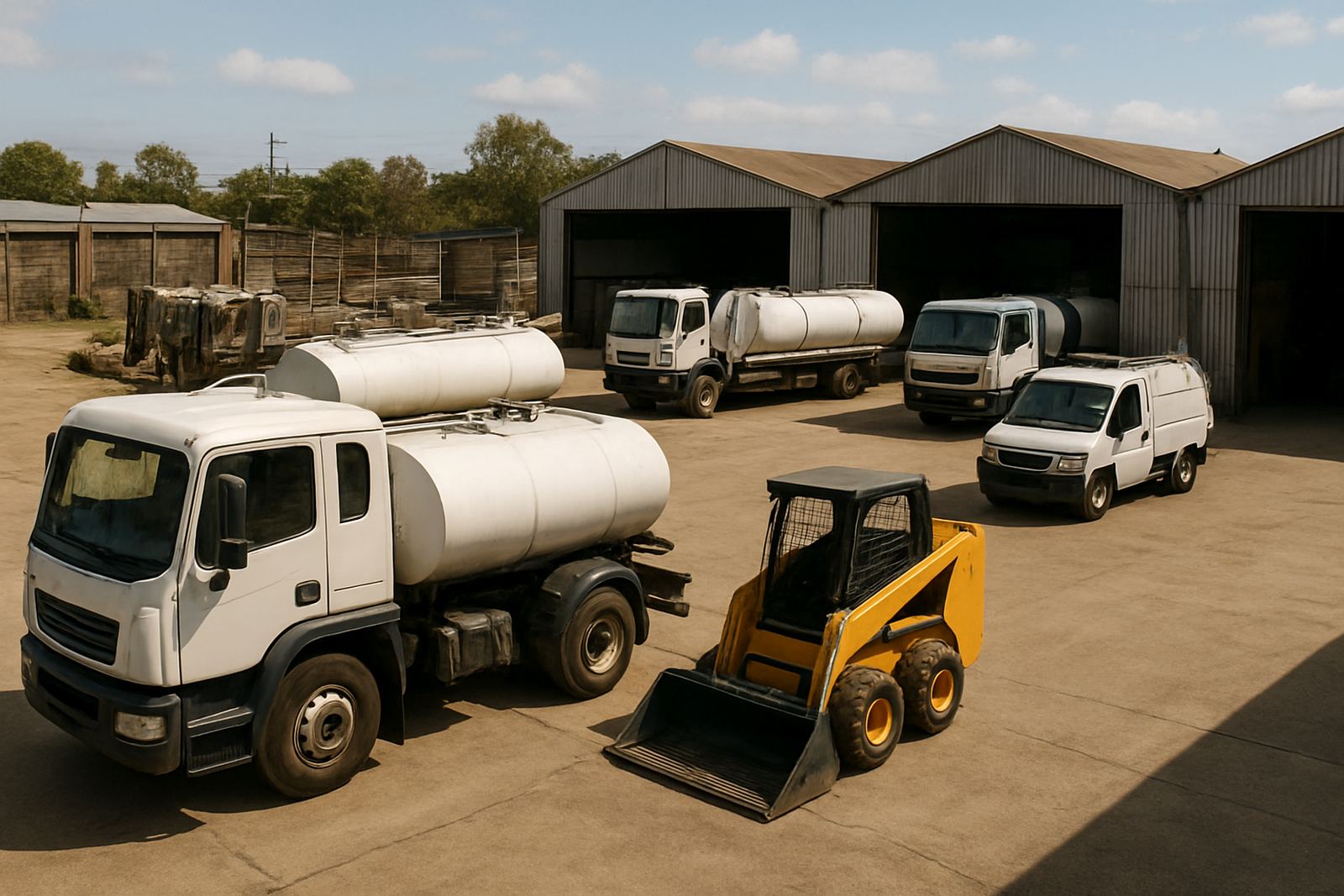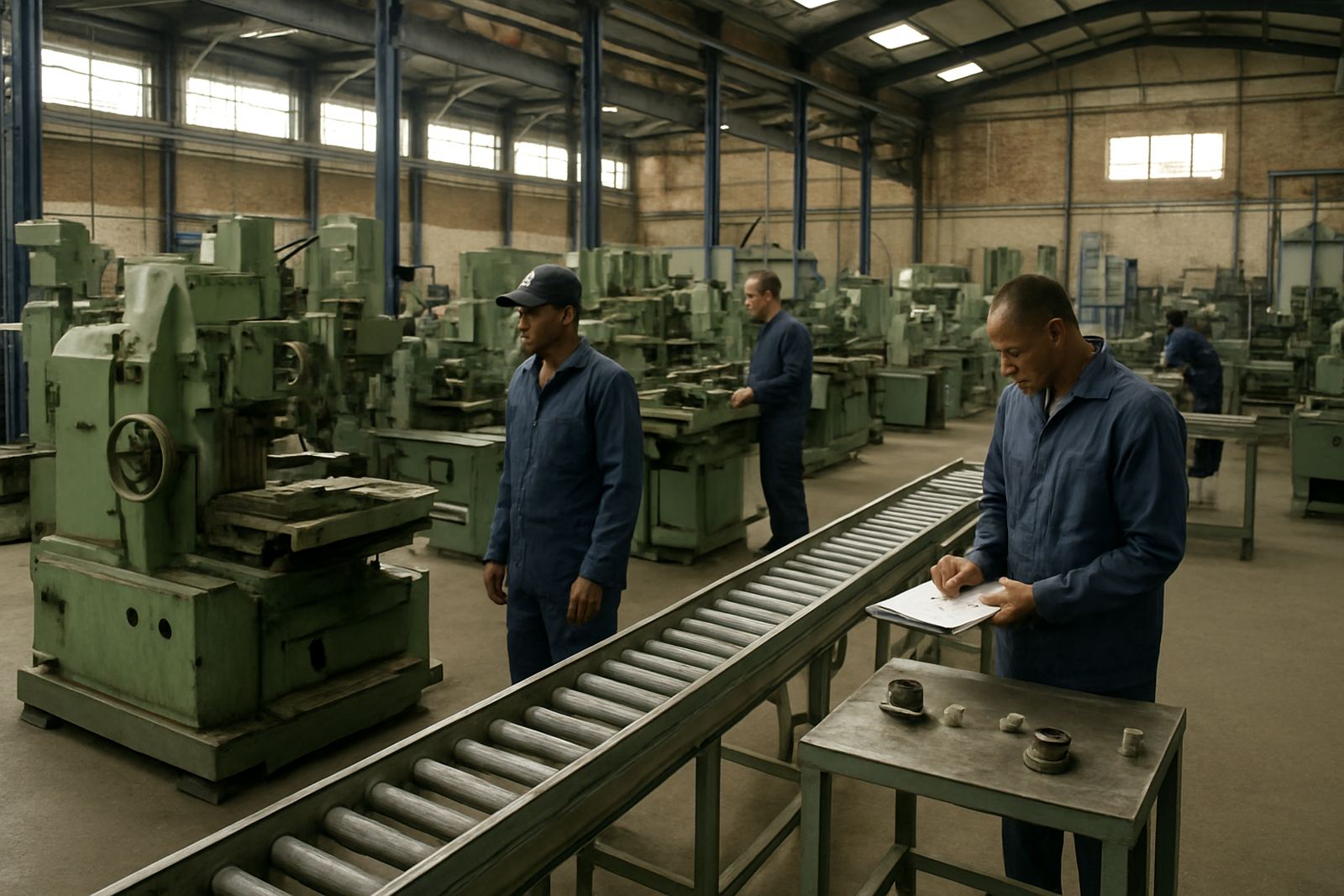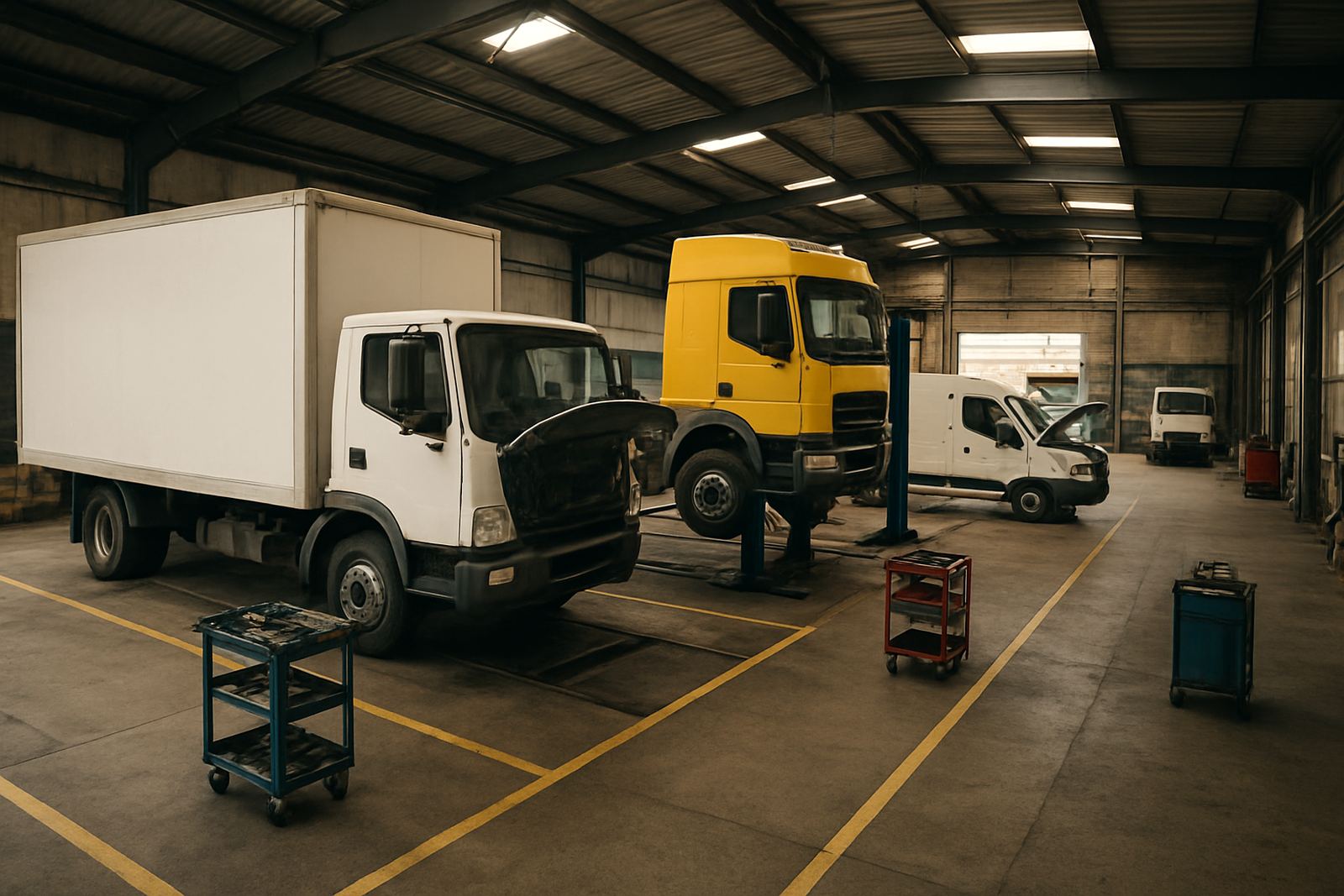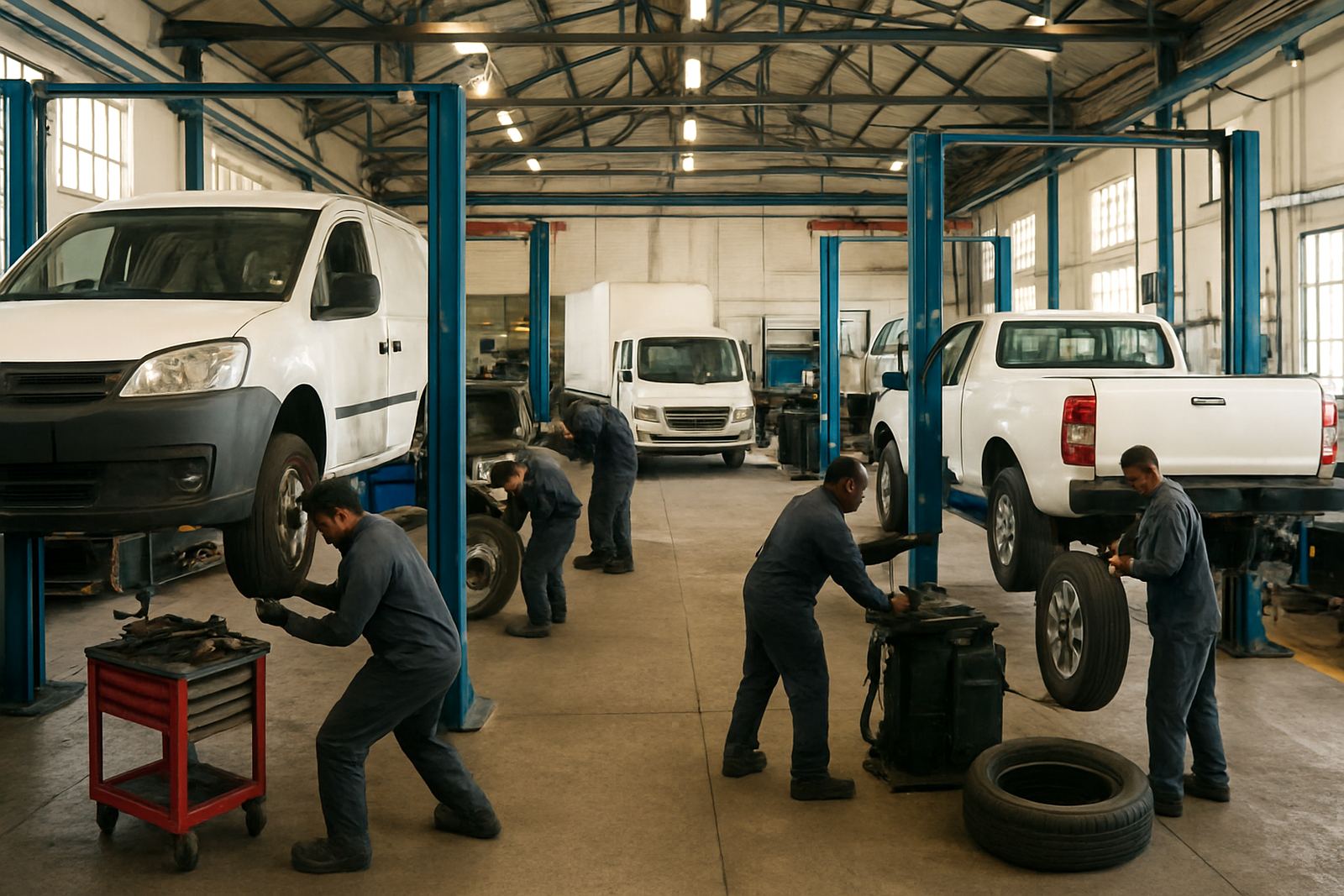
When a workshop is waiting on equipment, every day costs money
Automotive workshops often start with a clear list and a tight opening date. A two-post lift, tyre changer, wheel balancer, brake tester, compressor, alignment system and an extractor or recovery unit may be ordered together, then held up by shipping delays, missing documents or the wrong tariff code. In Durban, that can mean demurrage at the port. Inland, it can mean a workshop in Jet Park or City Deep waiting for a load that should already be on the floor.
We work with workshops that service passenger cars, light commercial vehicles and fleet units. Some are adding a second bay in Springfield Park, others are fitting out a new branch in Paarden Eiland, and some are upgrading old gear in Umbilo. The practical issue is always the same: how to get heavy machinery in, cleared correctly and delivered without damage or avoidable storage fees.
Typical workshop equipment and what needs planning first
Most workshop imports are not just one machine. They are a set, and the set needs to work together. A lift can be the biggest item by mass, but smaller items often create the most delay because they need accessories, spares or calibration tools that were not included in the original packing list.
- Vehicle lifts, jacks and wheel service equipment
- Air compressors, hose reels and workshop pipework
- Brake testing, alignment and inspection equipment
- Diagnostic stations, battery chargers and test benches
- Tyre fitment tools, balancing machines and puncture repair gear
- Wash bay pumps, fluid extraction units and recovery systems
Before the cargo leaves origin, we check carton count, weights, dimensions and the commercial invoice wording. That helps avoid surprises when the container lands and the clearing agent is asked to explain a vague description like “parts and accessories”. Customs does not like guesswork, and neither does a workshop waiting for a scheduled installation crew.
How to plan the bay, power and access around the equipment
A good workshop layout saves more money than a cheap freight rate. Many workshops in South Africa underestimate the clear height needed for a lift, or forget that a wheel alignment bay needs level flooring and enough space for the vehicle to enter straight. In coastal areas like Durban and Cape Town, humidity and salt air also matter. Imported steel, control panels and open components need proper storage as soon as they arrive.
Load-shedding is another practical issue. If your equipment depends on stable power, plan for surge protection, phase requirements and generator compatibility before the cargo lands. Ask your electrician to confirm cable runs, breaker sizes and the point where the machine will be installed. A unit stuck in bonded storage because the floor is not ready can cost more than the whole inland leg.
- Measure bay width, entry height and turning space before ordering
- Confirm floor strength for lifts and heavy wheel equipment
- Check the electrical supply, especially three-phase loads
- Allow space for compressors, cylinders and service access
- Keep packaging dry until installation if the site is near the coast
Clearing support that keeps equipment moving
Our team handles import planning, customs clearing, tariff classification, port collection, inland transport, cargo insurance, bonded storage, site offloading and document management. For workshop owners, that means one point of contact from the first shipping note to the final delivery. We also assist with coordination through Durban harbour corridor movements and inland routing to Johannesburg and Cape Town clearing counters when the cargo needs a different processing point.
Retief Labuschagne handles clearing lead work, while Fatima Cassim checks trade compliance details and paperwork. That matters when a shipment includes mixed equipment, spare parts and consumables in one consignment. One incorrect line on the invoice can hold up the whole load. We also arrange freight insurance where needed, because a dropped pallet of machine heads or alignment parts can set a launch back by weeks.
Common mistakes we see in workshop imports
Many problems come from rushing the order before the workshop layout is final. Others come from buying on price alone and leaving out items that are needed for commissioning. A machine can clear quickly, but if the accessories are missing or the crate arrives damaged, the installer will still stand around waiting.
- Ordering equipment before confirming electrical and floor specs
- Using poor cargo descriptions that trigger customs queries
- Forgetting spare parts, hoses, fittings or calibration tools
- Not allowing for storage if the site is not ready
- Skipping insurance on high value or delicate items
We also see workshops under-budget the inland transport. A lift may be compact in a brochure, then arrive as a heavy packed unit that needs special offloading. If you are moving into an area with tight access, such as a backline industrial street in Umbilo or a busy node in Springfield Park, delivery planning should start before the vessel sails.
Budget ranges for a practical fit-out
Budget depends on the number of bays, the level of automation and whether the equipment is new or second-hand. As a working guide, a basic two-bay workshop fit-out with import, clearing and inland delivery can start around R180,000 to R350,000, excluding building works. A mid-range independent workshop with lifts, tyre equipment, alignment and diagnostic units often lands in the R450,000 to R1,200,000 range depending on the mix.
For fleet operators and specialist automotive facilities, the total can move higher once wash systems, larger compressors, testing lanes and bonded spares storage are included. If the cargo is coming through Durban, storage, container handling and road transport need to be costed properly from day one. The cheapest quote at origin is not always the best landed cost in Rand.
Workshop Machinery Support Across Durban, Johannesburg And Cape Town
Based in Umbilo, Durban, Machines Africa Hub supports businesses that need machinery moved with care and proper paperwork. Our team works across Durban, Springfield Park, Jet Park, City Deep and Paarden Eiland, which helps when workshop owners need both port-side action and inland follow-through. Sibusiso Ntuli leads the business, with Tumisang Mahlaba on operations, Nomsa Dlamini in client services and Luthando Mchunu coordinating fleet movements.
Workshop owners want clear timing, honest advice and a supplier who understands how equipment arrives in South Africa. We do that without overcomplicating the job. If your fitment bay, testing lane or repair workshop is waiting on imported machinery, we can help you get it cleared, moved and ready for installation.