When a plant needs machinery in the right sequence
Manufacturing projects rarely fail because of one large machine only. They run late when the conveyor arrives before the press, when the control panels sit in storage for weeks, or when a transformer clears the port but there is no booking for the site crane. That is why we plan the import around the plant schedule, installation date and the space available at the factory.
For factories in Durban, Pinetown, Newcastle, Johannesburg, Ekurhuleni and Cape Town, the first step is to confirm what is coming in, how it is packed and what the site can actually receive. Some loads can be taken straight from port to plant. Others need bonded storage, split deliveries or night offloading because of access rules, traffic and limited yard space. We work with importers who need certainty on timings, documents and costs, not guesswork.
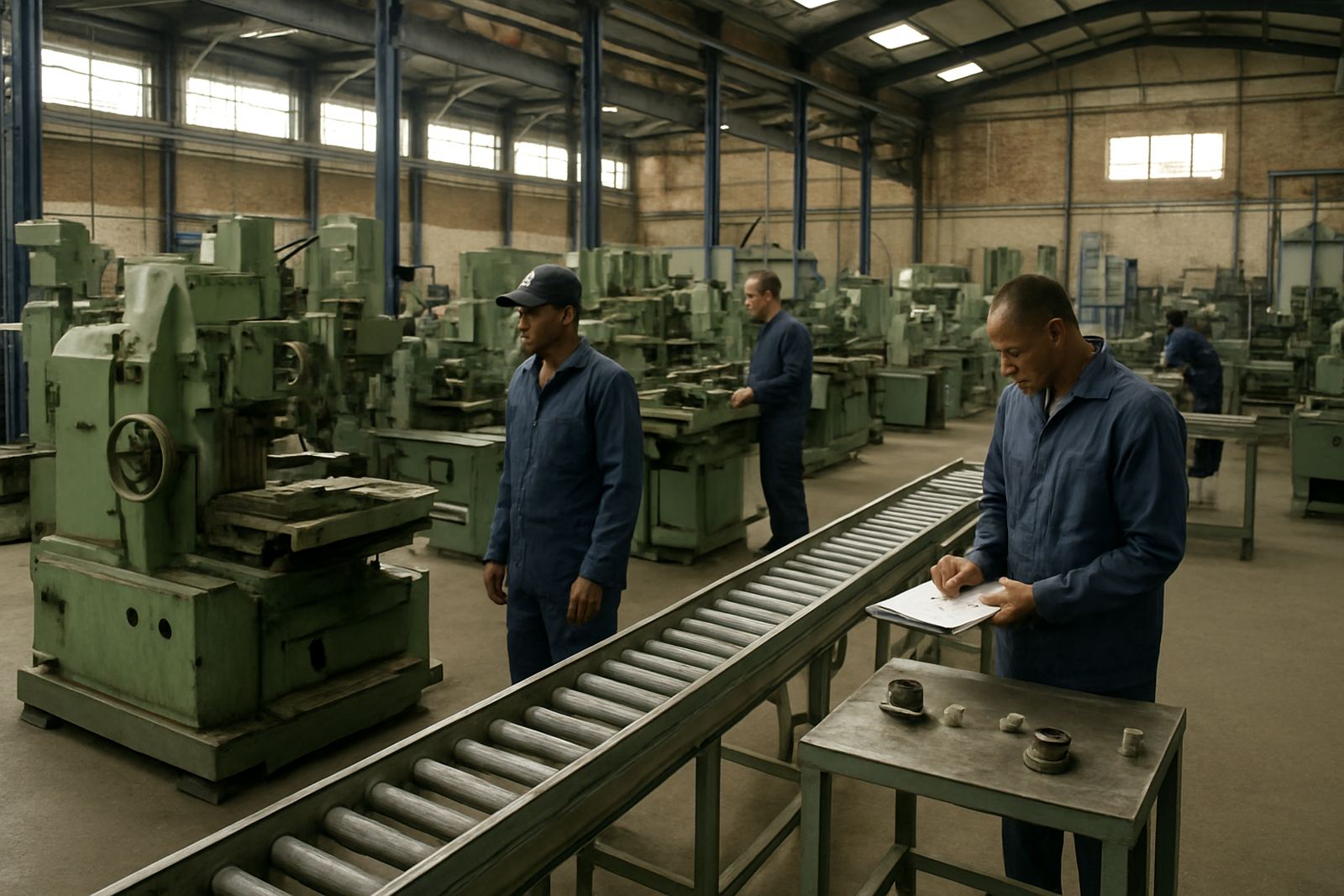
- Production machinery for food, plastics, packaging and metal work
- Power systems, generators, transformers and switchgear
- Line components such as rollers, motors, pumps and control cabinets
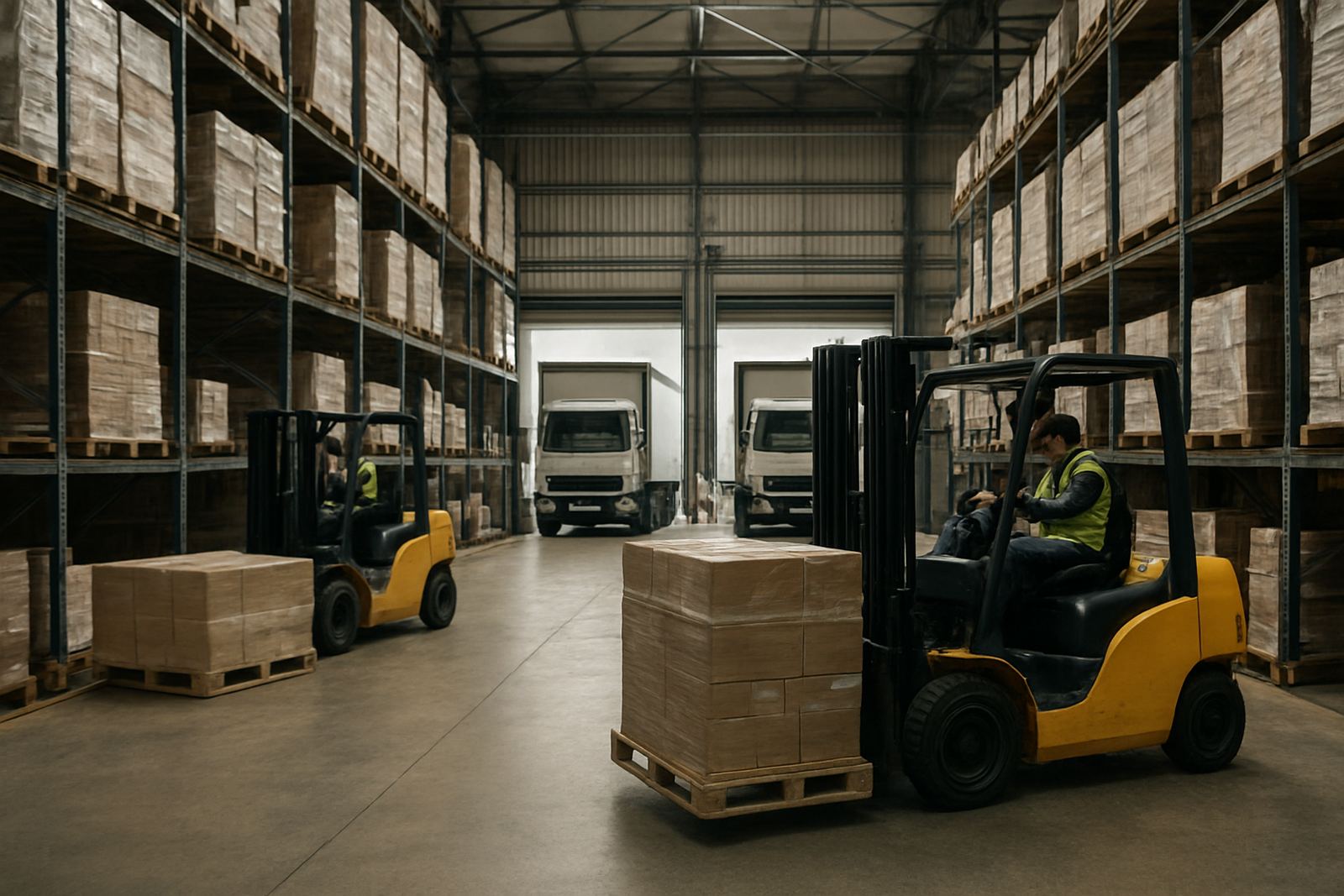
- Forklifts, hoists and warehouse handling equipment
Typical equipment we clear for factories and plants
Manufacturing cargo is often mixed. A single shipment may contain a main machine frame, several crates of spares, electrical panels, hoses, tooling and a pallet of manuals and drawings. We check the packing list against the invoice and transport notes so that the cargo is classified properly and handled in the correct order. That matters when the load is oversized, sensitive to moisture, or needs lift planning before it lands at the port.
For coastal sites in Durban and Paarden Eiland, corrosion protection matters. Inland sites in Jet Park and City Deep often need extra planning for road permits, route checks and offloading at a tight yard. If the cargo includes electronics or PLC units, we recommend dry storage and careful wrapping because humidity, dust and vibration can cause problems before the line is even switched on.
- Injection moulding machines and extrusion units
- Packaging lines, fillers, sealers and labelling equipment
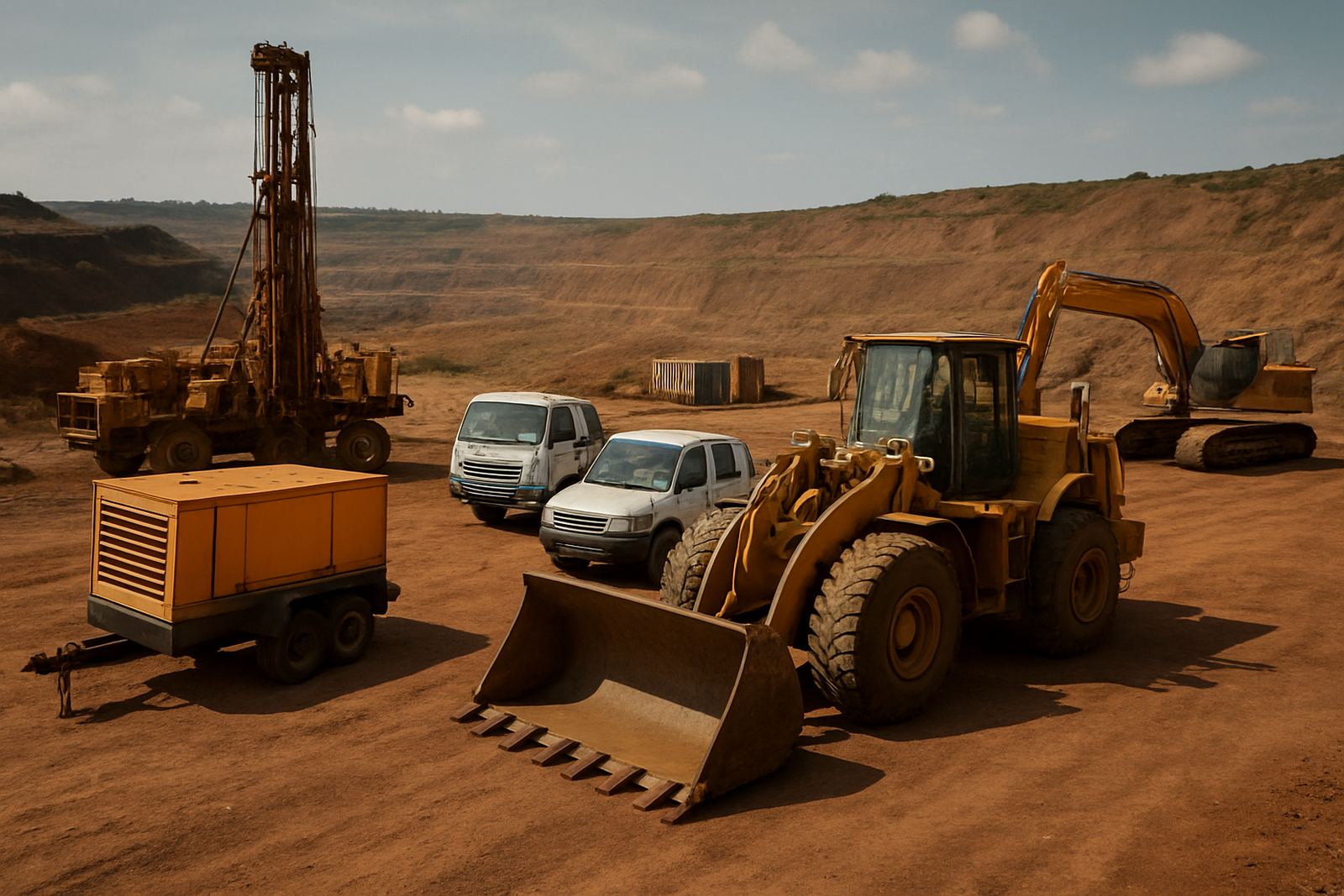
- Boilers, compressors, pumps and process skids
- Electrical panels, drives, sensors and spares kits
Planning the plant layout before the shipment lands
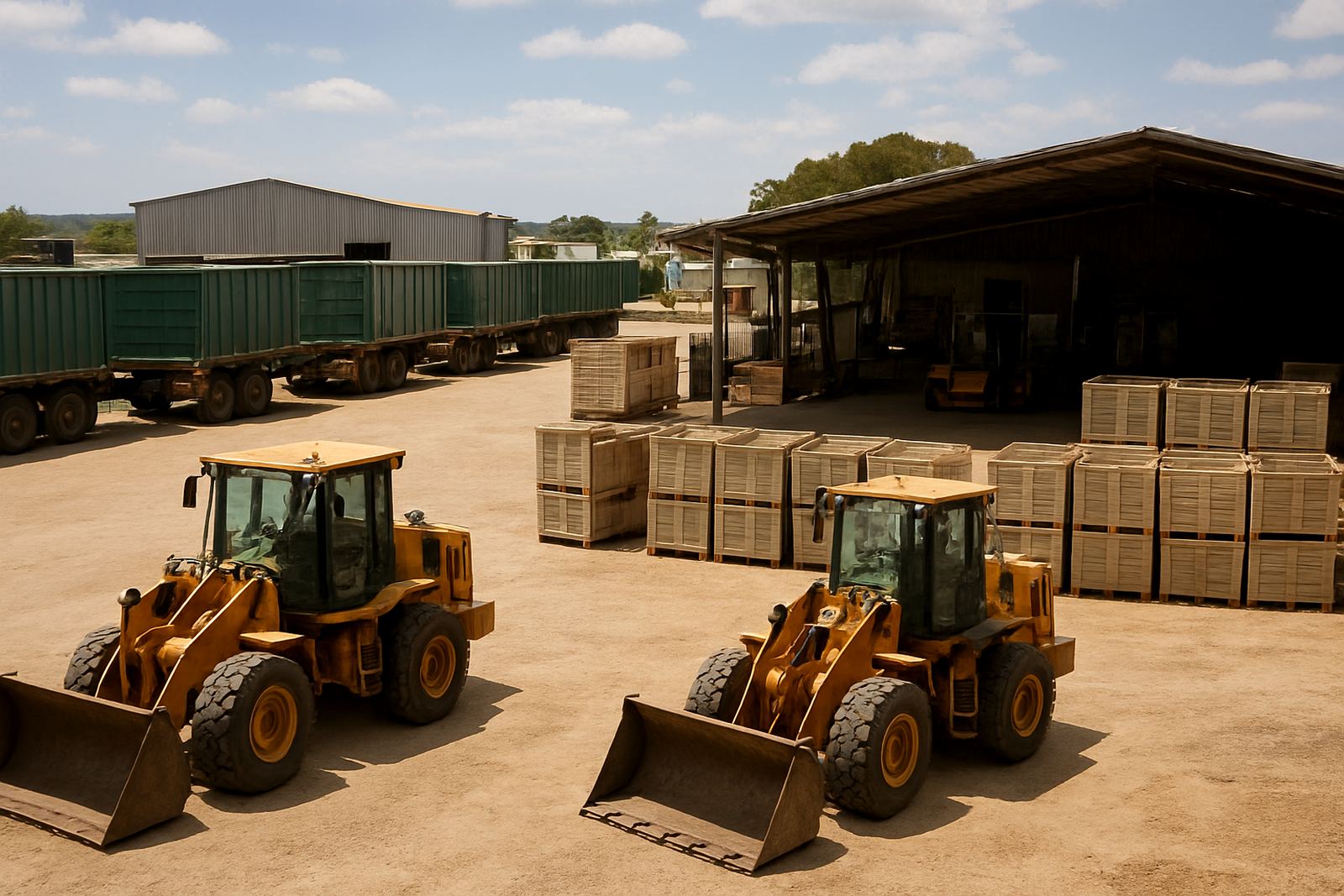
Good import planning starts with the layout of the factory floor. We ask where the machine will sit, how it will be lifted, and whether there is enough width for a truck with a lowbed or flatdeck trailer. If the plant is in Umbilo, Springfield Park or the harbour corridor, access may be better for port collection but still tight for turning large equipment into a yard. In some cases the offloading point is not the final position and that needs skates, rollers or a crane with enough reach.
It also helps to stage equipment in the same order it will be installed. A line built from multiple sections should not arrive as one random pile of crates. Keep foundations ready, confirm anchor points and make sure electricians and fitters are booked before the cargo lands. If a municipal permit or factory safety sign-off is needed, sort it early. Delays at this point are usually much more expensive than the freight itself.
Our team in Durban, Johannesburg and Cape Town coordinates shipping, customs clearing, port collection, inland transport and site offloading so the load moves through each step without being split up too late or held for missing papers.
Documents, tariff codes and customs control
Manufacturing imports often carry more document risk than buyers expect. A machine may need the correct tariff classification, serial number checks, a technical description and supporting papers provided by the seller. If the description is too broad, customs may query the entry. If the values are inconsistent, the cargo can be delayed while the clearing process is corrected. Fatima Cassim and the clearing team handle this carefully so the documents match the cargo and the invoice trail.
For businesses importing into South Africa from Asia, Europe or elsewhere in Africa, the best approach is to get the paperwork checked before shipment reaches Durban harbour. That reduces storage charges, avoids unnecessary queries and keeps the transport window intact. We also handle cargo insurance where needed, because one damaged control cabinet can hold up an entire line and push a commissioning date back by weeks.
- Commercial invoice and packing list review
- Tariff classification and customs entry preparation
- Port collection and release coordination
- Bonded storage if the cargo must wait for site readiness
Cost ranges for manufacturing imports in Rand
There is no single price for manufacturing machinery because the cost depends on cargo size, origin, routing, customs duty exposure and the way the plant wants delivery handled. A small import of spares or one compact machine may only need a modest logistics budget, while a full line with oversize units, cranes and after-hours offloading can move into a much higher range. The key is to plan the whole chain, not only the sea freight.
As a working guide, many manufacturing projects fall into these budget bands:
- Document handling, tariff classification and clearing support: R3,500 to R15,000+
- Port collection, inland transport and basic offloading: R8,000 to R35,000+
- Bonded storage or extended holding: from R1,250 per pallet per month, depending on space and handling
- Complex plant moves with cranes, escorts and split deliveries: R25,000 to R120,000+ per load
These figures can change fast if a container is held at the terminal, if special lifting gear is needed, or if the site has limited access. For Durban harbour corridor work, speed saves money. In Johannesburg and Cape Town, route planning and offloading timing are often the main cost drivers.
Common mistakes that slow down production start-up
The most common mistake is buying machinery before the factory is ready to receive it. Floor space, power supply, access roads, and offloading equipment should all be checked before the shipment leaves the supplier. Another mistake is underestimating how many separate deliveries are needed. A plant can arrive with the main frame in one truck and the remaining parts in another two weeks later, which leaves installers waiting and wages ticking over.
We also see problems where clients ignore coastal storage conditions or assume every machine can sit in an open yard. That is risky for steel parts, electrical units and anything with precision bearings. Load-shedding can also affect commissioning schedules, so power systems and backup arrangements should be planned with the same care as the import itself. If the factory is in Umbilo, Paarden Eiland or Springfield Park, timing the delivery around site access and security arrangements is just as important as the paperwork.
Machines Africa Hub is based in Umbilo, Durban and supports manufacturing clients across Durban, Jet Park, City Deep and Cape Town with import planning, shipping coordination, customs clearing, inland transport and site offloading. Sibusiso Ntuli and the team keep the work practical: clear papers, the right truck, the right order, and fewer surprises at the gate.