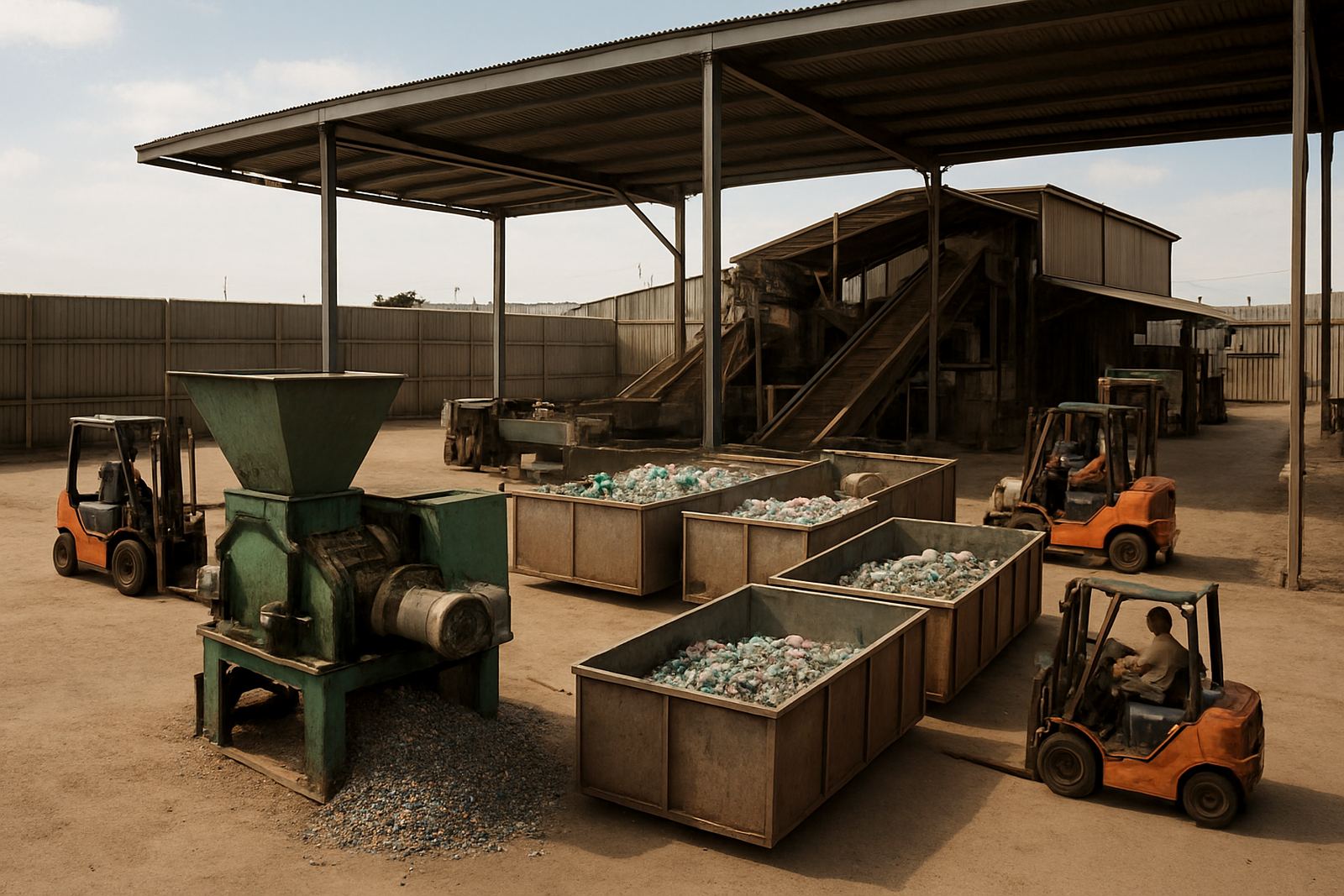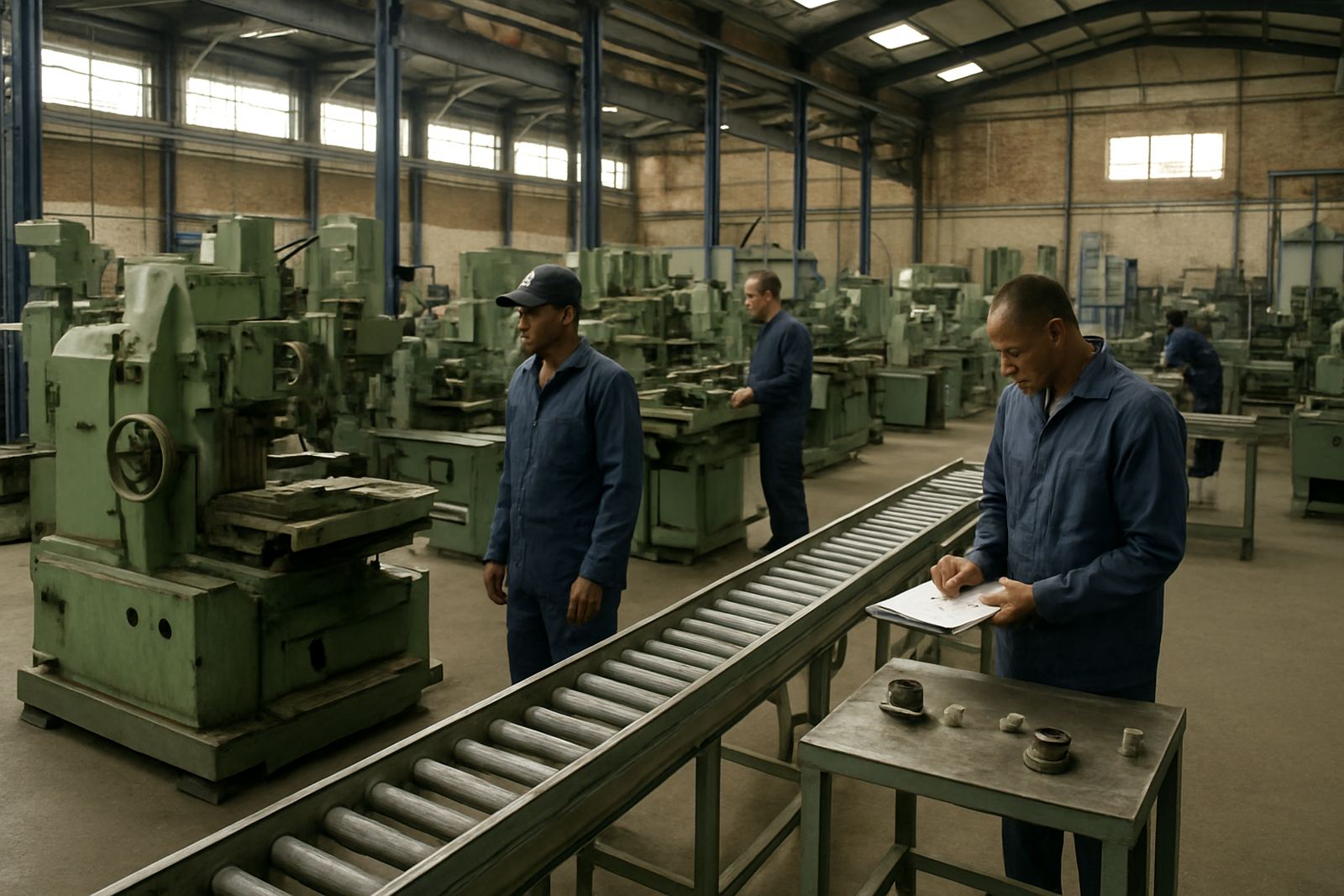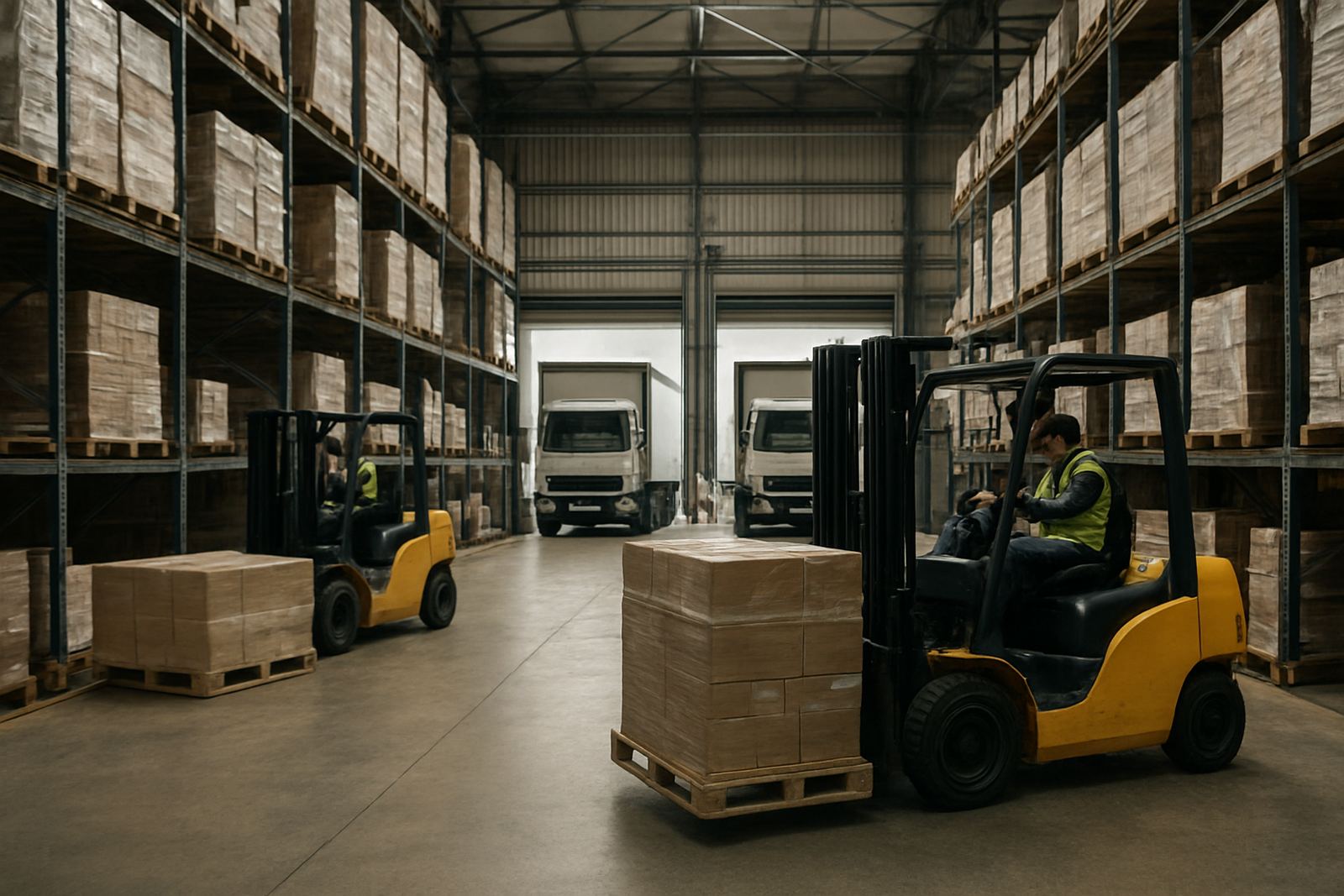
When a warehouse project needs more than just a crate moved
Most warehouse projects start with a simple need: get equipment in, cleared properly, and on site without holding up the fit-out. That can mean pallet conveyors for a distribution centre in Springfield Park, a mezzanine loading solution in Jet Park, dock levellers for a cold store in Paarden Eiland, or standby power for a site that cannot afford downtime during load-shedding.
Warehousing imports are usually time-sensitive. Once the building shell is ready the client wants racks installed, the electrical contractor waiting, and the floor markings done. If a shipment is held because invoices, packing lists, serial numbers, or tariff codes are not in order, the whole sequence slips. Our team works on the movement from the first shipping instruction through to customs clearing, port collection, inland transport and site offloading so the goods arrive ready for the next trade on site.
- Handling equipment: forklifts, reach trucks, pallet jacks, stackers and attachments
- Conveyor systems: rollers, belts, transfer tables, motors and control panels
- Backup power: generators, inverter systems, batteries and changeover equipment
- Warehouse support items: shelving components, dock plates, shrink wrapping units and weighing equipment
Typical equipment sets for South African warehouses
Every site has a different mix, but the same import patterns come up often. A 2,000 m² warehouse in Umbilo might need one fork truck, replacement batteries, a small conveyor line and a packaged generator. A larger operation in City Deep may bring in multiple conveyors, conveyor drives, control cabinets and a full power backup package because stock movement runs day and night.
For logistics operators, the load often includes racking accessories, order-picking trolleys, barcode scanners, dock shelters and safety barriers. Fleet depots usually need tyre handling equipment, workshop hoists, compressed air systems and wash bay pumps. Automotive warehouses may import parts trolleys, scissor lifts, battery charging units and extraction systems. We also see frequent shipments of spare motors, gearboxes and control parts because clients prefer to hold critical spares on site rather than wait for emergency supply.
- Single-item imports for replacements or breakdown cover
- Project loads for new warehouses or expansions
- Mixed shipments with machinery, electricals and parts in one consignment
- Container loads or break-bulk cargo depending on size and weight
How to plan the layout before the shipment lands
Good planning saves money at the quay and at the warehouse gate. Before goods leave origin, the receiving team should confirm offloading space, floor loading limits, doorway widths, turning circles for trucks, and whether a crane or low-bed is needed. It sounds basic, but many delays happen because the equipment arrives on a vehicle that cannot enter the yard or because the dock height does not match the trailer.
In Durban and Cape Town humidity can affect electrical panels, bearings and packed steel if the cargo sits too long in storage. For that reason we often advise clients to plan direct delivery into covered space or bonded storage where needed. Sites near the port should also think about traffic windows, municipal access rules, and whether weekend delivery is allowed. If backup power is part of the shipment, allow for fuel storage, ventilation, noise control and any local approvals required by the landlord or municipality.
As a rule, the best warehouse import plans set out the receiving sequence first: what lands at the port, what goes to storage, what goes direct to site, and what needs installation support. That sequence helps avoid double handling and reduces the chance of damage.
Customs clearing and tariff work for warehouse imports
Warehouse machinery is often misclassified because it arrives in mixed form. A conveyor frame, motor and control unit may be listed separately, yet customs needs the correct tariff classification for the complete import picture. The same applies to generators, battery systems and handling equipment with attachments. If the code is wrong, duty can be overpaid or underpaid, and that can cause queries, penalties or delays.
Our clearing lead and trade compliance team check the documents early, before the vessel arrives where possible. We look at invoices, packing details, technical descriptions, origin paperwork, serial numbers and any permits that may be needed. For clients importing through Durban harbour corridor routes, that early work helps avoid demurrage and storage costs. For inland deliveries to Johannesburg or Cape Town, it also keeps the trucking schedule aligned with the port release.
- Correct tariff classification for machinery, electrical units and parts
- Document management to reduce customs queries
- Import planning for split shipments and staged delivery
- Bonded storage where goods must wait for installation readiness
Budget ranges clients usually work with
Warehouse imports vary a lot, but clients usually budget in bands. A small replacement machine or single item handling unit can land in the region of R45,000 to R120,000 once shipping, clearing and inland transport are added. Mid-size warehouse projects with conveyors, batteries or power equipment often sit between R180,000 and R650,000 depending on weight, origin and delivery point. Larger warehouse fit-outs can run into several million Rand when a full line of handling equipment, backup power and site offloading is involved.
These figures move with exchange rates, container rates, port charges, storage days and whether lifting gear is needed on the receiving side. If the load is urgent or oversized, the budget needs extra room for special trucks, cranes, escort requirements or after-hours work. We tell clients to allow a buffer of 10% to 15% for freight and clearing costs, especially on first-time imports. That is usually safer than trying to force a fixed total and discovering the numbers do not fit once the cargo is on the water.
For warehouse operators with recurring imports, a phased plan often works best. Start with the essential handling equipment, then bring in conveyors and backup power in the next shipment once the site is stable and storage conditions are sorted.
Common mistakes we see from warehouse buyers
The same problems repeat across Durban, Springfield Park, Jet Park and Paarden Eiland. Buyers often focus on the equipment price and forget the import side, which is where the surprise costs show up. Another issue is ordering machinery without checking site conditions, so the cargo arrives and then sits because the receiving area is too tight or the electrical upgrade is not complete.
Another common error is poor document detail. When a supplier gives a vague description like spare parts, equipment or accessories, customs may ask for more information. That slows release and can lead to higher storage charges. We also see buyers underestimate the impact of coastal humidity, power fluctuations and dust. If the warehouse is near the port or in an industrial area with open doors most of the day, packaging and commissioning should take those conditions into account.
- Buying before confirming the warehouse floor plan
- Leaving off serial numbers, weights or dimensions
- Ignoring lifting points and offloading equipment at site
- Forgetting to budget for storage, trucking and installation timing
With the right import plan, those problems are avoidable and the goods arrive when the warehouse team is ready to use them.