Food plants need machinery that fits the shift pattern
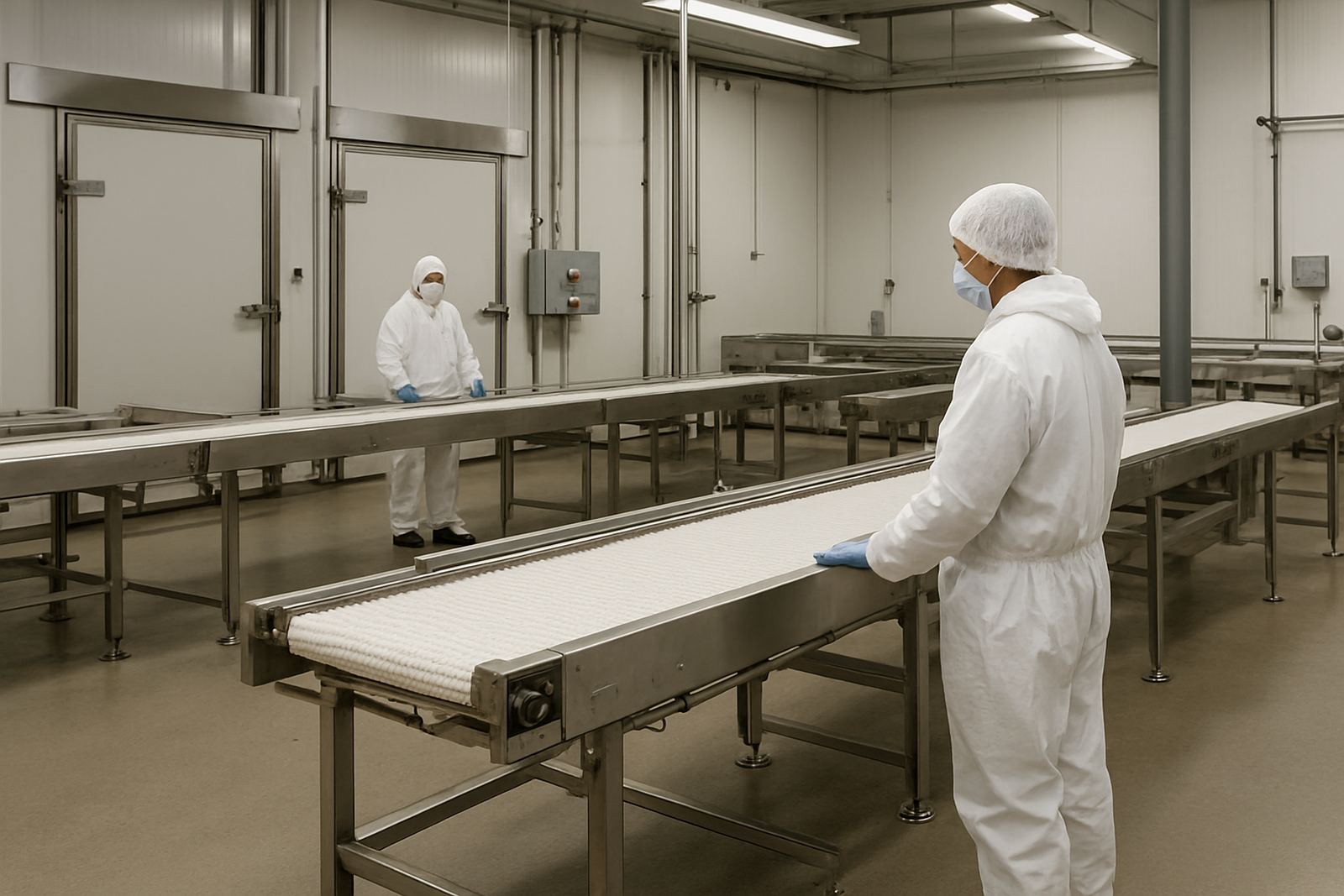
In food processing, every hour of stoppage costs money. A small sauce plant in Springfield Park, a meat packing line near City Deep, or a bakery in Paarden Eiland all need equipment that can be received, offloaded and put into position without holding up production. We work with chilled support units, conveyors, fillers, sealers, mixers, slicers, wrappers and packing machinery that must arrive with the right paperwork and the right handling gear.
At the Durban harbour corridor, timing matters because port delays, traffic around Umbilo and missed collection slots can upset a whole install programme. We plan shipments around production dates, site access and load-shedding backup on the receiving side, because a line that can not be tested on arrival is usually a line that starts costing extra the next day.
Typical machinery in food processing projects
Food processors usually bring in a mix of production and support equipment, and the load mix changes with the product. A chilled room project may need condensing units, evaporators and insulated panel handling. A dry goods line may need conveyors, hoppers and bagging machines. We also see carton forming and closing units, date coding units, inspection systems and pallet handling equipment.
- Conveyors for trays, bottles, pouches and cartons
- Packaging machinery for wrapping, sealing, labelling and coding
- Chilled support units for cold rooms and holding areas
- Transfer tables, stainless steel frames and control panels
- Forklift attachments, rollers and lift tables for site movement
For coastal sites in Durban or Cape Town, corrosion resistance matters. Salt air can shorten the life of exposed parts, so we advise on wrap, crate design and bonded storage if the unit will sit before installation. It is not unusual to see a machine arrive looking fine outside but with moisture issues in electrics if the packing was too light.
How we plan the move from vessel to production floor
The main challenge is not just importing the machine, it is getting it to the exact point where the fitter needs it. We plan importation, customs clearing, port collection and inland transport as one chain. If the cargo lands in Durban, we check whether it must move to Umbilo for temporary holding, then on to Jet Park for a Gauteng install, or direct to a site in the harbour corridor. For Cape Town projects, Paarden Eiland access, crane booking and delivery times are checked early.
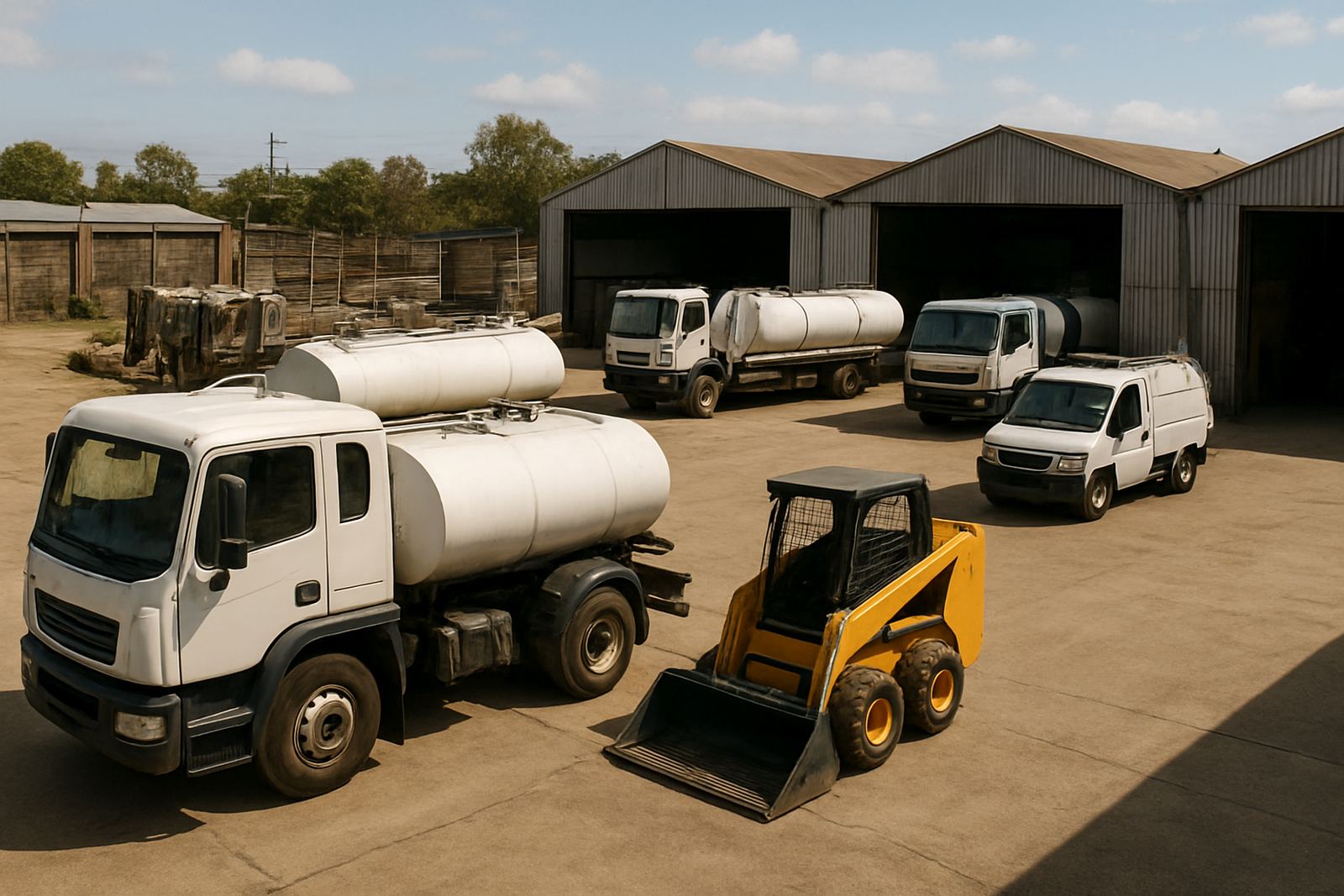
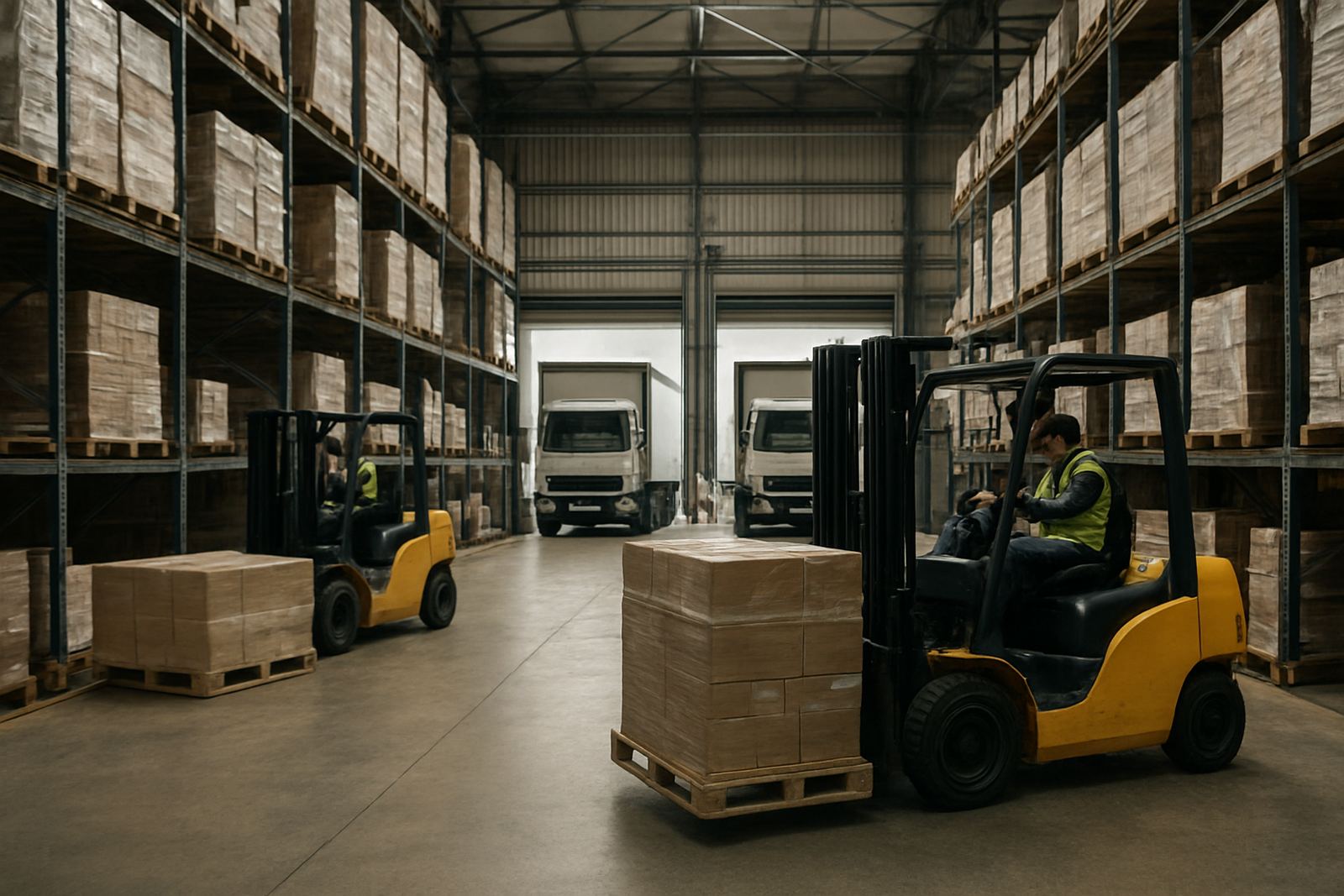
We also look at site offloading. Some plants have low door heights, narrow passages or floor loading limits that are not obvious until the truck arrives. On food sites, hygiene rules matter too. You cannot always use the same route as general cargo, and some facilities require clean shoes, sealed wraps and limited access times. If the machine needs a forklift with long forks or a crane with specific reach, we arrange that before the truck rolls in.
- Confirm access widths, turning space and offloading point
- Check floor strength and machine weight in kilograms
- Allow for power checks, especially where backup generators are used
- Plan the install around production breaks and delivery windows
- Keep manuals, packing lists and permits together in one file
Customs, tariffs and food-grade paperwork
Food processing machinery can be straightforward or fiddly depending on the exact use. A conveyor line may be clear enough, but a unit with refrigeration or control systems may need careful tariff classification and supporting documents. Wrong classification can lead to duty problems, delays and extra queries from Customs. We handle tariff classification, customs clearing and document management so the shipment does not sit because one code was guessed.
For imported equipment, invoices, packing lists, serial numbers and country of origin details need to line up. If you are importing used machinery, the paperwork needs even more care. Some items can trigger extra inspection or proof of condition, and clients often forget that the transport leg to Johannesburg or Cape Town is part of the compliance picture too. Our trade compliance team keeps an eye on that before release is requested.
Budget ranges for food processing machinery moves
Costs depend on cargo size, origin, port choice, inland distance and whether the machine needs bonded storage or special offloading. As a rough guide, smaller packaging machinery moves can start from about R18,000 to R45,000 for local handling and inland delivery, while larger chilled support units, conveyor sets or multi-piece lines can range from R75,000 to R280,000 and upward once shipping, clearing and site offloading are included.
For plants bringing in a full production line, the total logistics budget can move into the several hundred thousand Rand range, especially if there is crating, insurance, port storage and a crane involved. We always suggest setting aside contingency money for delays, after-hours collection or a second truck if the site access changes at the last moment. It sounds small, but one missed booking can cost more than the original inland move.
Common mistakes we see on food plant jobs
The same errors come up again and again. The first is assuming all machines can travel in one standard truck load. In practice, conveyors, control cabinets and support units may need different handling. The second is leaving customs paperwork until the shipment has already landed. That often leads to detention charges and pressure on the install team.
A third mistake is underestimating how food sites work on the ground. A plant in Durban may have limited truck access during peak harbour traffic, while a Cape Town site may have stricter municipal noise or offloading limits. Another problem is forgetting backup power and testing time. If the chilled unit or wrapper has not been tested under load, the first production shift becomes the test bench.
- Do not finalise a delivery date before the site has cleared access
- Do not mix loose parts, manuals and electrical items without marking them
- Do not skip cargo insurance on expensive production equipment
- Do not ignore humidity, especially for coastal storage periods
Early Import Planning For Food Processing Machinery
Food processing teams usually contact us before the machine is even on the water, and that is the right time. Early planning helps us match the vessel arrival, customs release, collection slot and site readiness. Sibusiso Ntuli and the team work from Umbilo with clearing support in Johannesburg and Cape Town, so we can line up the Durban harbour move, a Gauteng delivery through Jet Park or City Deep, or a Western Cape offload through Paarden Eiland without everyone guessing at the last minute.
That early call also helps with bonded storage, document checks and delivery sequencing. If a project includes several machines, we can split the flow so the chilled unit arrives first, then the conveyors, then the packaging equipment. For food sites that run tight shifts and little spare space, that order makes a real difference.