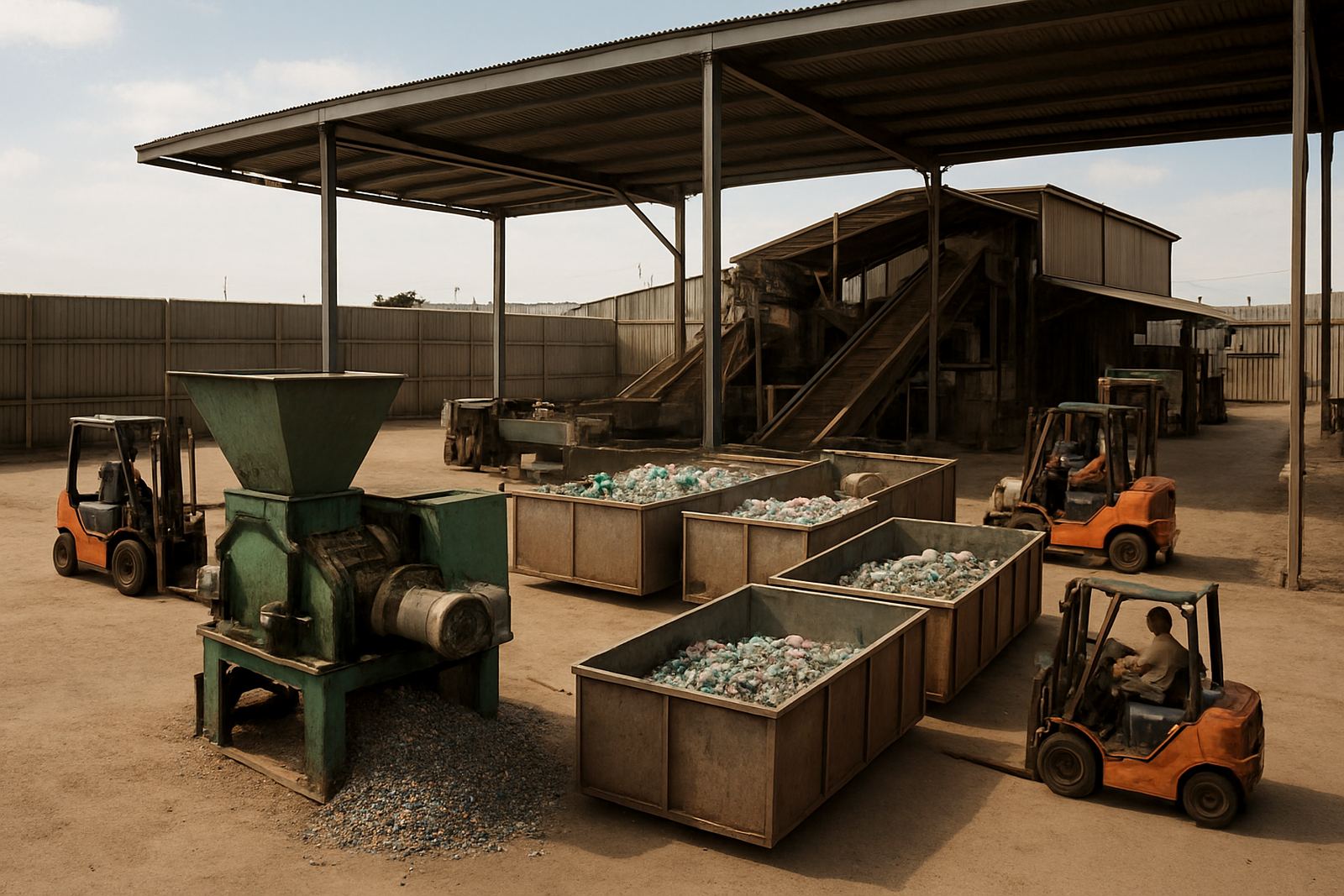
Importing recycling plant into Durban needs tight planning
Recycling operators usually work to hard deadlines because plant space is limited and inbound material keeps moving. A baler, shredder or sorting line can sit on a truck and still block a yard if the offload point is not measured properly, so the shipping plan should start with the site layout and not the vessel booking.
For Durban harbour corridor imports, we help clients line up the packing list, import documents, port handling, customs clearing and inland transport before the equipment lands. That matters when a plant in Umbilo, Springfield Park, Jet Park or City Deep is waiting for a machine that cannot be lifted by a general courier. In recycling, delays often mean missed feedstock windows and overtime on the labour side, which pushes costs up fast.
Our team works from Durban with clearing support in Johannesburg and Cape Town, so we can move equipment through the port, then into inland storage or directly to site if the route and municipal rules are in order.
Typical equipment for recycling sites and MRFs
Most recycling operators import a mix of processing and handling equipment rather than one single machine. The common set depends on whether the site handles plastic, paper, metal, e-waste or mixed municipal waste. We see a lot of projects where the machine size is small on paper but awkward in practice because of height, width and lifting points.
- Shredders and pre-shredders for reduction of bulky material
- Sorters, screens and conveyors for material separation
- Baling machines for cardboard, plastics and film
- Magnets, separators and dust control units
- Forklifts, loaders and container handling gear
- Spare parts, motors, control panels and wear items
For plant upgrades, clients often bring in a full line in stages rather than all at once. That can help with cash flow, but it needs careful tariff classification and document management so the customs picture stays clean from the first shipment to the last, otherwise delays stack up.
Offload planning for heavy and awkward machinery
Offloading is where many recycling imports go wrong. A machine can clear customs and still cause trouble if the site has no crane access, the yard gate is too low, or the turning circle cannot take a 18 metre truck. In coastal areas like Paarden Eiland or Durban’s harbour edge, humidity also means you need quicker movement from container to covered storage so steel parts do not stand in the salt air for days.
Before the cargo lands, we look at access roads, overhead lines, surface strength, lifting method and where the truck can wait without upsetting neighbours or local traffic. If the site needs municipal permission for abnormal loads, that should be arranged early. It also helps to confirm whether the offload is from flat rack, lowbed, side loader or standard container, because the wrong vehicle choice can add a whole extra day on site.
- Measure gate width, fence height and yard turning space
- Check crane reach and lifting capacity before booking transport
- Confirm whether the machine arrives assembled or in modules
- Plan temporary storage if the civil works are not complete
- Keep rigging gear and labour ready for the actual delivery window
Budget ranges for recycling machinery imports in Rand
Import budgets vary a lot because recycling equipment can range from second-hand standalone machines to complete processing lines. As a guide, a small shipment of single-purpose equipment may sit in the R150,000 to R450,000 range once freight, clearing and inland movement are added. Medium projects with several machines, heavier handling and bonded storage often land between R500,000 and R1.8 million.
Larger plant installations, especially when they include multiple containers, heavy lifts, insurance, site offloading and inland transport across provinces, can move well above R2 million. The biggest cost drivers are usually shipping volume, machine mass, port charges, customs duties or VAT treatment, and the number of vehicles needed for final delivery.
It pays to budget a contingency of at least 10% to 15% for delays, extra storage, inspection holds or last minute route changes. That buffer is small compared to the cost of stopping a line for a week.
Common mistakes recycling operators make when importing
Many problems start before the shipment leaves the origin port. Missing dimensions, vague descriptions on invoices and poor photos can lead to the wrong freight method or customs queries. Recycling machinery often has mixed components, so if the packing list does not separate main units from spares and electrical parts, clearing slows down and the cargo sits longer than planned.
Another issue is assuming the site can take delivery without checking floor loading, laydown space or power availability. Some operators forget that a baler or sorter may need a generator during installation because load-shedding can interrupt testing, so the commissioning team arrives and has to wait. It is a small thing but it can set the whole schedule back.
- Using the wrong tariff code for machinery and spares
- Leaving out weights, dimensions or serial numbers
- Booking road transport before checking site access
- Ignoring bonded storage needs when the site is not ready
- Under-insuring cargo that is expensive to replace
How Machines Africa Hub supports recycling imports
We manage the moving parts that matter: import planning, shipping coordination, customs clearing, tariff classification, port collection, inland transport, cargo insurance, bonded storage, site offloading and document control. For recycling clients, that means the paperwork and the transport plan work together instead of being handled by different people with different timelines.
From Umbilo in Durban, we support operators across Durban, Springfield Park, Jet Park, City Deep and Paarden Eiland, with clearances handled through Johannesburg and Cape Town where needed. Sibusiso Ntuli leads the business, with Tumisang Mahlaba on operations, Retief Labuschagne on clearing, Nomsa Dlamini in client services, Luthando Mchunu on fleet coordination and Fatima Cassim on trade compliance. That mix helps when a shipment needs a fast decision and proper paperwork on the same day.
If your recycling project depends on imported machinery, send the packing list, machine photos and delivery site details early. The better the plan, the fewer surprises at the port.