
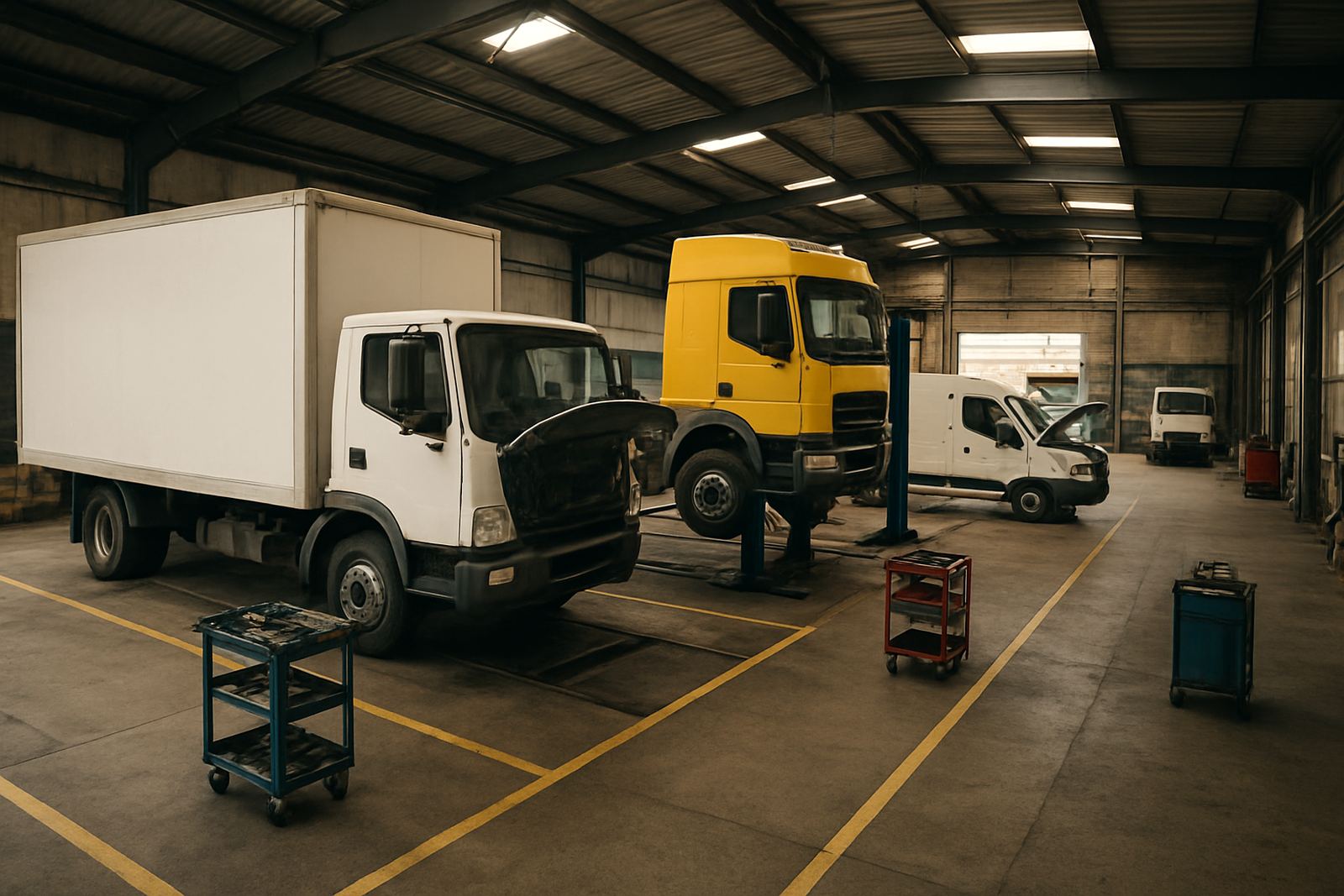
When a fleet workshop needs to keep vehicles on the road
Fleet maintenance operations cannot afford long delays on lift installation, tyre handling or diagnostic equipment. When a truck, bakkie or service vehicle is down, the workshop needs spares, tools and heavy systems delivered in the right order so the bay can be commissioned without stoppages. In Durban, that often means planning for port time, wet weather, yard space and after-hours offloading, especially where access is tight in Umbilo, Springfield Park or near the harbour corridor.
Machines Africa Hub helps clients bring in imported workshop equipment with a practical plan for shipping, customs clearing and inland movement. For larger fleet depots in Jet Park, City Deep or Paarden Eiland, the main concern is usually not only the item itself but how it will arrive, where it will be stored, and whether the site can receive it on the day. That is where controlled delivery planning matters most.
Typical equipment for fleet maintenance depots
A fleet maintenance package is usually a mix of workshop systems, lifting gear and handling items. Some clients are setting up a new depot. Others are replacing ageing tools and adding capacity for more vehicles. Either way, the cargo often includes a lot of different sizes and weights, from small diagnostic units to bulky fabrication items.
- Two post or four post vehicle lifts for light and medium-duty bays
- Hydraulic jacks, axle stands and wheel dollies
- Tyre changers, wheel balancers and bead seating equipment
- Brake testers, alignment systems and inspection pit gear
- Air compressors, hose reels and workshop pipework
- Battery chargers, jump packs and diagnostic scanners
- Parts racking, trolleys and storage cabinets
- Welding sets, presses and bench-mounted machines
Some fleet operators also import body repair equipment, wash bay pumps, portable generators for load-shedding and oil management systems. If the site sits near the coast, corrosion protection becomes a real issue, so packaging and storage need to account for humidity in Durban, Bluff and other coastal areas.
How we plan the shipment from supplier to workshop floor
The best results come from planning before the goods are packed. We check the equipment list, dimensions, weights, power requirements and discharge points so the correct transport can be booked early. That avoids the common problem of a machine arriving in South Africa before the bay is ready or before the site has offloading equipment available.
For fleet maintenance clients, we normally map the job in stages: import planning, shipping coordination, customs clearing, port collection, inland transport and site offloading. Where needed, we also arrange bonded storage if the workshop is still finishing a building, or if the client wants to stagger deliveries by bay. This is especially useful when a fleet yard is active during the day and can only receive heavy goods after hours or over a weekend.
Document management is just as important as the cargo list. A mixed shipment can include multiple tool categories, spare parts and accessories, so tariff classification needs to be correct before cargo lands. That helps reduce delays and unexpected duty issues at the port. If the paperwork is incomplete, the shipment can sit while the workshop waits, and that gets expensive quickly.
Layout advice for a practical workshop flow
A good fleet workshop layout saves time every day. Heavy equipment should not be packed into one corner where it blocks movement, and small tools should not be stored far from the service bays. We often advise clients to think in terms of receiving, inspection, repair, testing and release. Each zone needs enough space for movement, especially if forklifts or pallet jacks will be used.
Before import, it helps to confirm these points:
- Door heights and bay widths for lifts, compressors and frames
- Floor loading, especially where heavy presses or tyre machines will sit
- Power supply and phase requirements for workshop systems
- Ventilation for welding, painting or battery charging areas
- Drainage and oil handling rules for municipal compliance
- Whether the site has enough turning space for flatbed or lowbed trucks
Clients in Durban often also need to plan for salt air and high moisture levels. That can affect exposed steel, electrical panels and stored spare parts. Simple steps like sealed wrapping, desiccant packs and covered offloading can prevent a lot of rust and damage. A small planning error here can cost a lot later, especially if a lift or tester arrives and cannot be commissioned immediately.
Common mistakes that slow fleet equipment projects
The most common mistake is ordering equipment before the workshop layout has been checked. A lift that fits on paper may not fit in the bay once the truck arrives. Another frequent issue is not matching the machine to the available power supply, which is a problem in areas affected by load-shedding or older municipal infrastructure. If the client has only single-phase supply and the equipment needs three-phase, the project can stall.
We also see shipments delayed because accessories were split from the main machine. A tyre changer without the correct clamps, or a diagnostic unit without its cables and adapters, is of limited use on site. Another problem is poor timing around port collection. If the cargo is not booked out quickly, storage and demurrage charges can rise. In Durban especially, that can turn a sensible purchase into a costly one.
It also pays to check who will receive the equipment on site. If the team is not briefed on offloading, packaging inspection and damage notes, claims become harder to manage. For busy fleet yards in Johannesburg or Cape Town, clear receiving instructions save time and avoid confusion when the truck arrives early or after hours.
Budget ranges for imported fleet maintenance equipment
Budget depends on the size of the workshop, the origin of the cargo and whether the shipment is a single machine or a full fit-out. For smaller fleet maintenance imports, like diagnostic tools, compressors and light handling equipment, clients often spend from about R80,000 to R350,000 landed. A mid-size workshop package with tyre equipment, lifts, storage and air systems can range from R450,000 to R1.8 million, depending on specification and freight method.
Larger depot projects with multiple bays, heavy lifting systems and site installation support can run from about R2 million to R8 million or more. That does not always include building work, electrical upgrades or civil changes, which are often separate line items. If the goods need bonded storage, special offloading or staggered delivery, those costs should be added early so the project budget stays realistic.
We advise clients to allow a small contingency for port charges, inland transport changes and currency movement. That buffer is often the difference between a smooth rollout and a project that keeps asking for extra funds halfway through.
Controlled Delivery Planning For Fleet Imports
Fleet maintenance teams are under pressure to keep vehicles moving, so imports must arrive in the right sequence and condition. A managed approach reduces downtime, protects the equipment and gives the client a clear schedule from supplier to site. For depots in Durban, Johannesburg and Cape Town, that means one point of contact for shipping, clearing, inland transport and offloading, rather than chasing different parties for updates.
Machines Africa Hub works with workshops, logistics operators and automotive support teams that need practical handling of imported equipment. From the first document check to final site delivery, the aim is to avoid surprises. When a depot knows exactly what is arriving, when it will land and how it will be received, the workshop can keep serving the fleet instead of reacting to delays.
- Use controlled delivery planning for heavy and mixed cargo
- Confirm bay sizes and power before goods are shipped
- Keep documents complete to reduce customs delays
- Allow space for weather, storage and offloading at the site