When the job starts before the machine lands
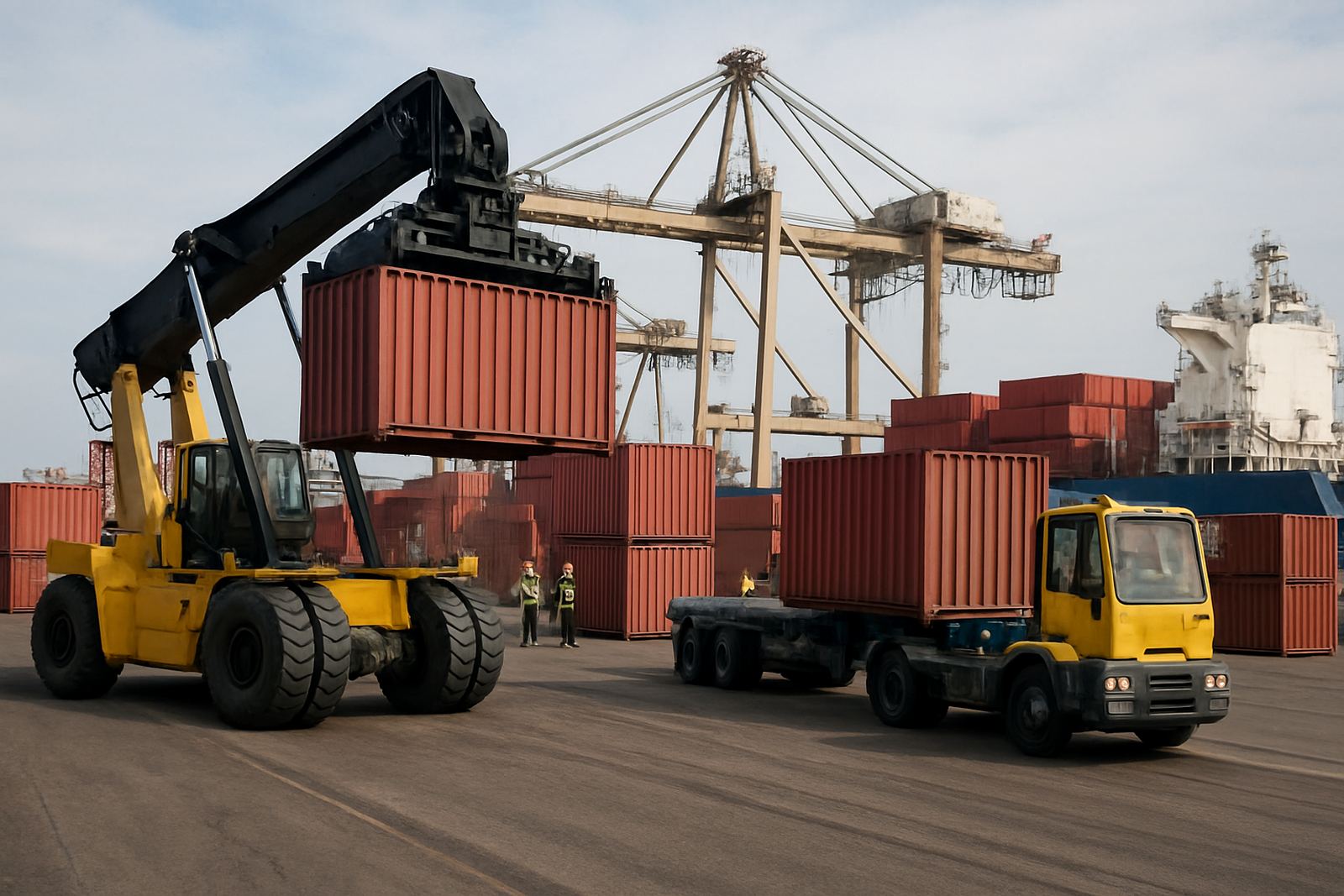
Construction teams usually call us when a tender has been won, a site programme is already running, and there is no room for hold ups at the harbour. That is common on roadworks, civils, housing developments, commercial builds and municipal jobs where one excavator or roller missing for a week can throw off labour, fuel and subcontractor schedules. We plan the shipping, customs clearing and inland move around the site date, not just the vessel arrival. From our Umbilo base in Durban, with clearing support in Johannesburg and Cape Town, we manage imports for contractors working in the Durban harbour corridor, Jet Park, City Deep, Springfield Park and Paarden Eiland.
For construction clients, the real pressure points are usually documentation, tariff classification and where the machine will sit once it clears. A loader arriving with incomplete paperwork can end up on storage and demurrage charges fast, especially when port congestion, weather or public holidays slow the process. We keep the file tight so you are not paying extra because a serial number was copied wrong or a permit was left out.
Typical construction equipment we clear
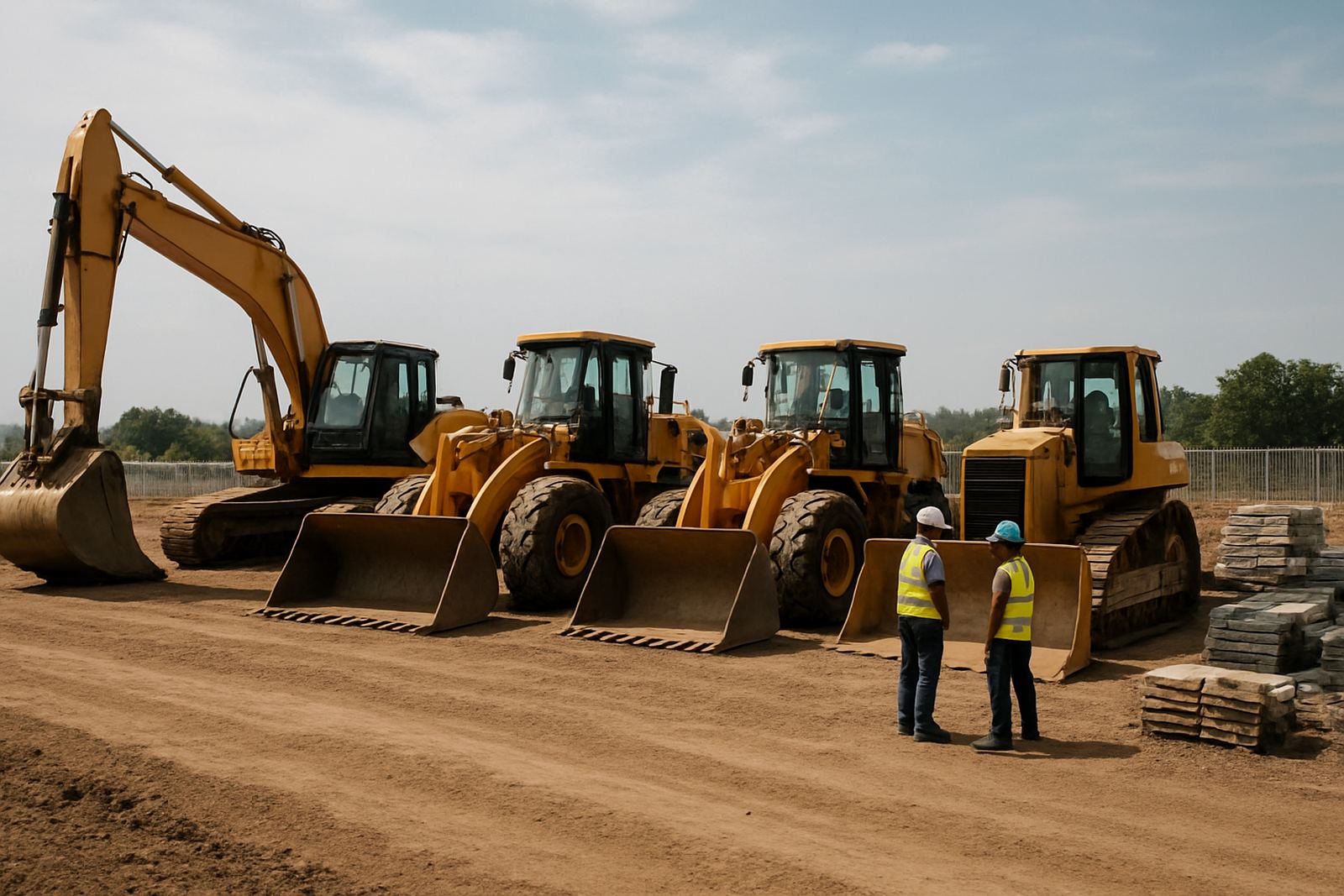
Most construction imports are a mix of earthmoving, lifting and compaction equipment, plus site support items that keep the job moving between deliveries. Some are self propelled, others come in on lowbeds or in containers. We work with individual machines and full project loads, including replacement units for fleet downtime.
- Excavators from compact site units to larger digging machines
- Wheel loaders and backhoe loaders for material handling
- Bulldozers, graders and compactors for bulk earthworks and road prep
- Telehandlers, rough terrain forklifts and lifting equipment for site handling
- Concrete mixers, generators, pumps and site support plant
- Crusher and screening equipment for quarry, civils and recycling work
- Spare parts, attachments, buckets, forks and undercarriage components
In coastal areas such as Durban and Cape Town, we also see clients importing extra units sooner than planned because salt air and hard site conditions shorten equipment life. If a machine is coming in for KwaZulu-Natal humidity or work close to the sea, it is worth planning for protective wrapping, rust control and a quick site handover once the cargo is released.
How to plan the landing, not just the purchase
The best import plan starts with the end point. Before a container or machine ships, we look at where it will be offloaded, whether the site has crane access, and if the road from port to yard can take the weight and height. A construction client in Gauteng may need route checks for City Deep to site, while a Durban client may need a direct move from the terminal to a yard in Umbilo, Springfield Park or farther inland. If the machine is oversized, we factor in permits and escort requirements early so there are no surprises.
We also advise on how the machinery should be packed and declared. A machine shipped with loose attachments, unmarked spares or mixed items in the same container can trigger delays at inspection. It helps to keep each line item clear, with serial numbers, model details and the right tariff codes. If you are buying several units for one project, split them on paper the same way you would split the site programme. It makes clearance cleaner and easier to control.
- Confirm the exact machine model, weight and dimensions before shipping
- Check whether the site can receive a container, lowbed or side offload
- Keep invoices, packing lists and serial numbers matching across all documents
- Plan for insurance from the port of loading to final offload
- Allow for inland transport, handling and possible storage if the site is not ready
Common mistakes that add cost
Most costly errors are avoidable. The first is buying a machine on price only, then finding the import paperwork is incomplete or the unit is not suited to South African road or site conditions. Another common issue is under budgeting for port charges, inland transport and site offloading. A client may budget only for the purchase and freight, then get caught by storage, customs stops or a crane call out at the final delivery point.
Classification mistakes also happen often. An excavator attachment, a dozer component and a complete machine do not always land under the same tariff treatment. If the paperwork is vague, customs may ask for more support and that slows the release. We see this with mixed loads from suppliers who send parts, attachments and accessories together without a clean packing schedule. It is a simple thing to fix, but if left for later it can add days.
Another trap is not matching the delivery method to the site. A machine offloaded in the wrong place may need extra handling, a second truck or a shift in the programme. On construction jobs, every extra move costs money, especially when labour is standing by and the civils team is ready to start. Good planning saves more than rushed freight ever can.
Budget ranges for construction imports in Rand
Every import is different, but construction clients usually want a practical range before they commit. Smaller site machines and attachments can clear and move at a lower total cost, while large earthmoving or lifting equipment often needs higher freight, handling and transport budgets. The final amount depends on origin, size, weight, whether it ships in a container or as break bulk, and if inland delivery is local or long haul.
As a working guide, a compact machine or attachment shipment may start from around R35 000 to R85 000 for shipping, clearing and basic inland handling, excluding the purchase price. Mid sized plant can often sit in the R90 000 to R220 000 range once freight, customs work, port handling and road transport are included. Oversized or project cargo may run well above that, especially if it needs special transport, storage, inspections or site offloading. We will normally break the numbers into import planning, shipping, clearing, transport and any extra handling so you can see where the Rand goes.
- Compact units and attachments: from about R35 000 to R85 000 total logistics cost
- Mid sized machines: about R90 000 to R220 000 depending on origin and route
- Oversize or multi unit project cargo: higher, often with permit and handling extras
- Insurance is best priced separately, based on cargo value and route risk
What our construction clients use us for
Construction firms come to us for more than one machine at a time. Some need a single excavator replacement, while others import a full spread for a new site or fleet refresh. Because we handle import planning, shipping coordination, customs clearing, tariff classification, port collection, inland transport, cargo insurance, bonded storage, site offloading and document management, clients can keep one point of contact from supplier to site.
Our team works across Durban, Johannesburg and Cape Town, so a machine can land in the harbour corridor, clear through the right office and then move inland without unnecessary handovers. Sibusiso Ntuli leads the business, with Tumisang Mahlaba on operations, Retief Labuschagne on clearing, Nomsa Dlamini on client service, Luthando Mchunu on fleet coordination and Fatima Cassim on trade compliance. For construction imports, that mix matters because the file needs operational control, compliance accuracy and fast movement once the cargo is released.
If you are planning a plant order for a project in South Africa or across the border, send the invoice, packing list and machine details early. It gives us time to check the route, the paperwork and the offload plan before the vessel arrives. That is usually where the savings happen.