When Port Work Starts Missing Turns and Deadlines
Port logistics clients usually come to us when the work has grown past what a mixed fleet can handle. A yard in Durban may need to move containers from the quay to a staging area, lift equipment off flat racks, or keep freight moving between depot, warehouse, and client site. In Jet Park or City Deep the pressure is different, with bonded stock, shorter turnarounds, and tighter site space. Either way, the machine has to arrive ready for work and not sit for days waiting on papers.
For this kind of operation, the wrong spec costs money quickly. Too little lifting height means extra handling. Too wide a unit becomes awkward in a narrow yard. Poor corrosion protection causes trouble near the harbour, especially in salty air and rain. We work with operators who need practical machines for transfer, lifting, container support, and short-distance transport, with import planning that matches the actual site layout and not just the brochure figures.
Typical Equipment Set for Port Transfer and Container Support
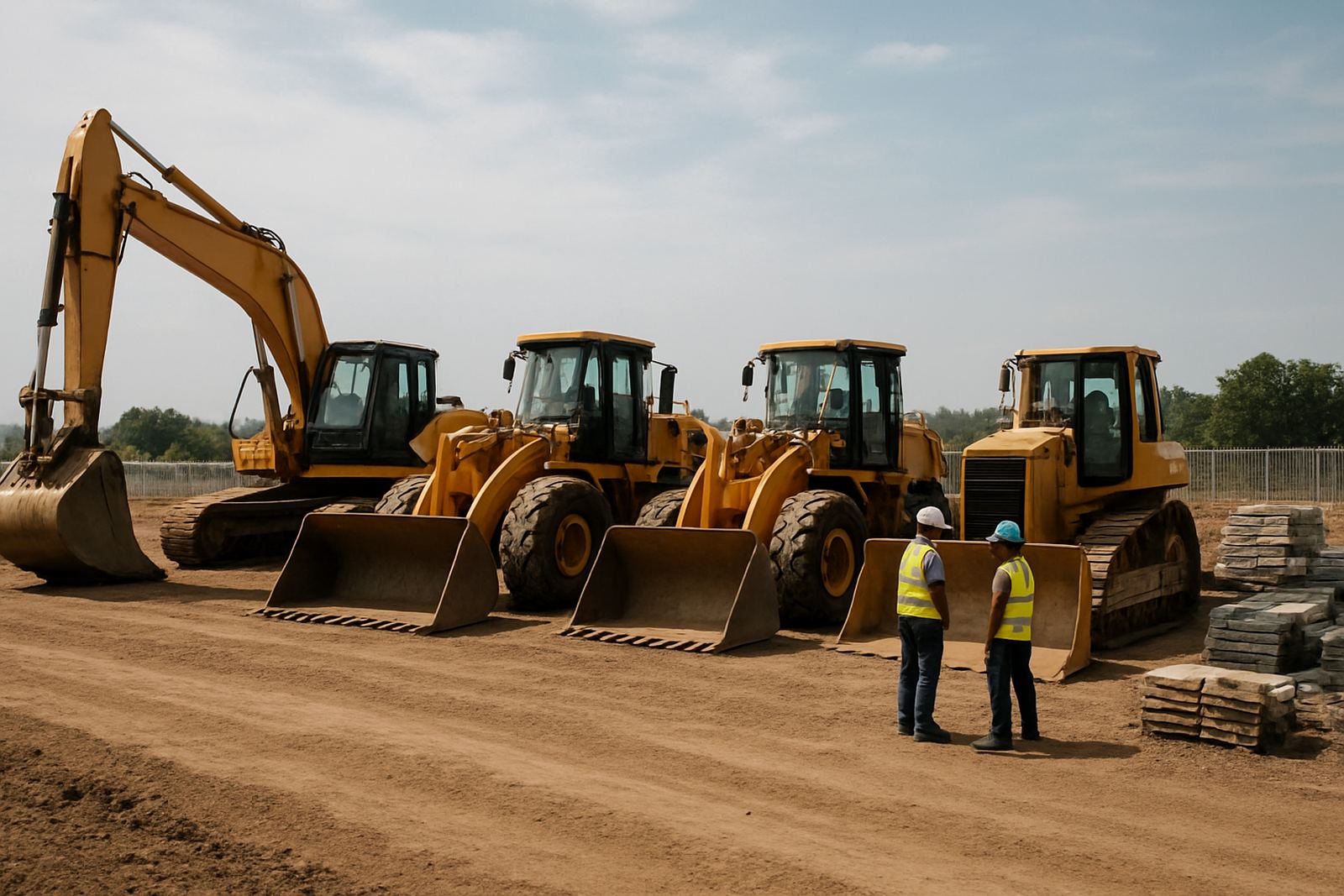
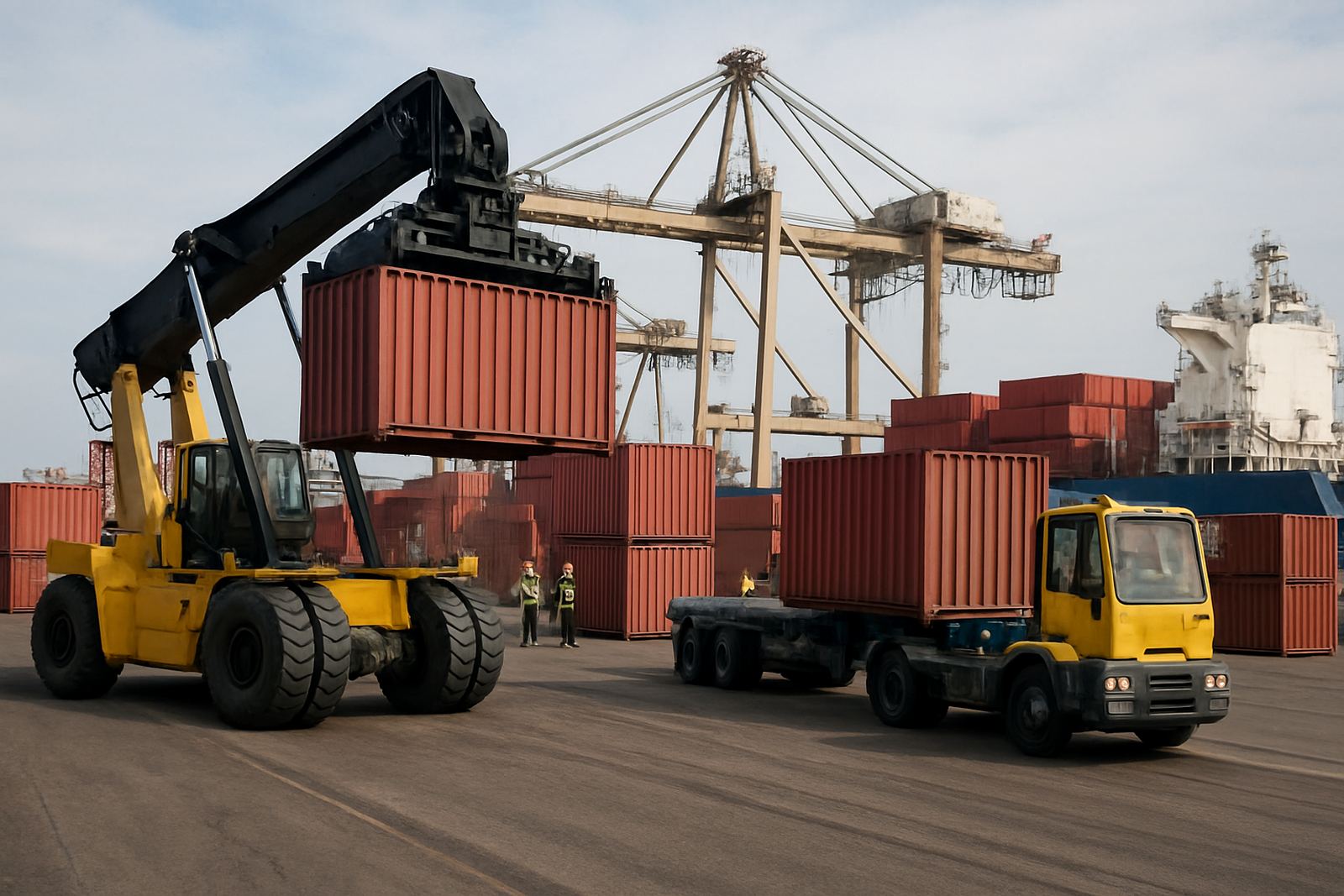
The equipment mix depends on whether the job is quay-side, depot-side, or inland support. In Durban harbour corridor work, the most common request is for machines that can shift containers, support loading and offloading, and keep trucks turning without delay. We also see demand from automotive plants, freight yards, and fleet depots that need dependable handling equipment for repetitive work.
- Container handlers for stacking and transfer work in busy yards
- Reach-type lifting equipment for container yards and depot movements
- Forklifts from 3 tonne up to 16 tonne for pallets, parts, and heavy crates
- Telehandler-type machines for offloading and site placement
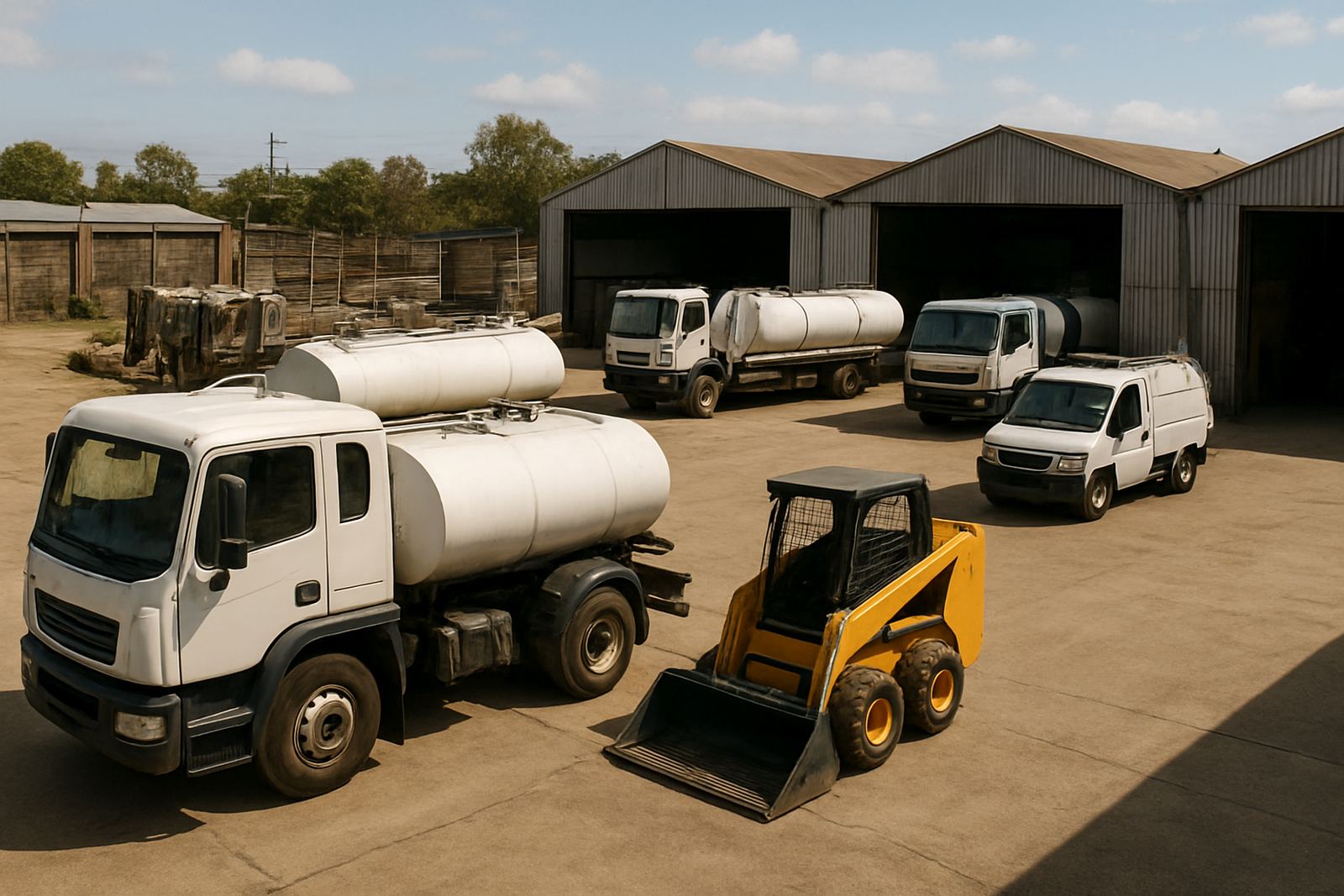
- Trailers, flatbeds, and support units for inland transport
- Generaror-backed or low-idle options where load-shedding affects yard throughput
Where the site is close to the sea, we often suggest better sealing, treated components, and a maintenance plan from day one. In Cape Town and Durban this matters more than many buyers expect, because moisture and wind-driven salt can shorten service intervals if the machine is left exposed.
Layout and Planning That Saves Time at the Gate
Good port logistics starts before the machine is shipped. If the route is from Durban harbour to Umbilo, Springfield Park, or farther inland, the offloading point must suit the unit length, turning circle, and lifting points. In Johannesburg, the same machine may need to fit through a warehouse gate in City Deep or a compact yard in Jet Park. A small layout mistake can force extra crane time or a second move, which is costly and avoidable.
We normally look at access width, floor loading, turning space, stacking height, and where the machine will be serviced. Clients should also check whether the yard needs bonded storage, port collection timing, or municipal permission for abnormal transport. If a machine is coming through the harbour corridor, the collection plan must allow for customs clearing, roadworthy checks where relevant, and transport booked to match the release window. Late trucks and expired free time are expensive mistakes.
- Measure gate width and turning space before ordering
- Check floor loading where machines will park or stack
- Confirm whether the site needs low-clearance transport
- Match lifting height to the tallest container or pallet in the yard
- Allow for service access and not only working space
Import, Clearing, and Delivery Through Durban, Joburg, and Cape Town
Machines Africa Hub handles import planning, shipping coordination, customs clearing, tariff classification, port collection, inland transport, cargo insurance, bonded storage, site offloading, and document management. That matters in port logistics because one missing invoice, serial number mismatch, or incorrect tariff code can hold a machine while the vessel has already moved on. Our clearing counters in Johannesburg and Cape Town help clients manage releases across the main freight corridors, while the Durban team works close to the harbour flow in Umbilo and surrounding areas.
For many clients, the most useful part is keeping the papers, transport, and handover in one place. Fleet managers, logistics firms, and automotive operations do not want to phone three suppliers to ask where the container is and who has the release note. We keep the sequence tight so the machine moves from port to yard, and then into service with less standing time.
Common Mistakes We See in Port Machinery Projects
Most port delays are not caused by the machine itself. They come from poor planning, wrong assumptions about site conditions, or under budgeting. A unit ordered for general lifting may not suit container support work. A machine that is fine for inland use may struggle in humid, salty conditions near Durban harbour. Another common problem is buying for the immediate gap and forgetting future volume, so the yard outgrows the equipment within a year.
Clients also underestimate the costs around import and delivery. Shipping, clearing, insurance, offloading, inland transport, and any bonded storage all need to be built into the plan. If a machine arrives and the site is not ready, the cost of holding it is real. We advise clients to get the paperwork sorted early, confirm dimensions, and make sure the site can receive the equipment on the planned day, not two days later.
- Wrong lifting capacity for the actual load weight
- Buying without checking gate, yard, or warehouse access
- Ignoring corrosion risk in coastal conditions
- Not allowing for port charges, storage, and transport timing
- Skipping insurance on high-value machinery in transit
Budget Ranges for Port Logistics Machines in Rand
Budget depends on age, capacity, condition, and whether the machine is already in South Africa or still needs to be imported. For smaller port support units, buyers may start around R350 000 to R900 000 before transport and setup. Mid-range forklifts and handling machines often sit between R900 000 and R2.5 million. Larger container handling equipment and specialist lifting units can range from R2.5 million to well above R8 million once shipping, duty, clearing, and inland delivery are added.
As a working guide, clients should leave space in the budget for import costs, insurance, offloading, and any site preparation. If the machine will run in a coastal yard or under heavy daily use, it is worth budgeting for spares and a maintenance plan straight away. A cheaper purchase that keeps breaking down is not cheaper by the end of the quarter. We help clients size the spend to the real workload, not guesswork.
What Port Clients Usually Ask For First
Most enquiries start with a simple problem: how do we move heavier loads faster without overloading the yard or tying up trucks. From there we help identify the right class of machine, the best import route, and the clearing steps needed for release. For Durban, the focus is often on quick harbour access and inland delivery. For Cape Town, weather and exposure matter more. For Johannesburg, the question is usually about yard efficiency and linehaul timing.
If you are planning a new operation or replacing old equipment, it helps to start with load type, daily volume, site dimensions, and the port or inland point where the machine must work. From there we can map the most practical option and move the paperwork along without unnecessary delays.
Machines Africa Hub is based in Umbilo, Durban, with support across Durban, Springfield Park, Jet Park, City Deep, and Paarden Eiland. Port logistics enquiries come to the Umbilo team through our contact form.