Cover arranged for machinery that travels by port and road
Our cargo insurance service is set up for machinery moving through Durban harbour corridor routes, inland depots, and cross-border corridors where goods may be handled several times before they reach site. We help arrange cover for new and used equipment, spares, production machinery, fleet units, and automotive related loads moving by container, breakbulk, flatbed, lowbed, or enclosed road transport. If the cargo has a high value, sensitive components, or tight delivery timing, we make sure the cover reflects the real movement rather than a generic freight policy.
We work with importers in Umbilo, Springfield Park, Jet Park, City Deep, and Paarden Eiland, including clients shipping into sites with limited offloading space, uneven yard surfaces, or restricted access. Coastal humidity, salt air, container sweat, and rough handling at terminals all matter when a claim is assessed so the policy wording and declared values must be right from the start. A small error in declared invoice value or route details can hold up a claim later, so we check the papers properly, not just the rate.
What the insurance arrangement includes
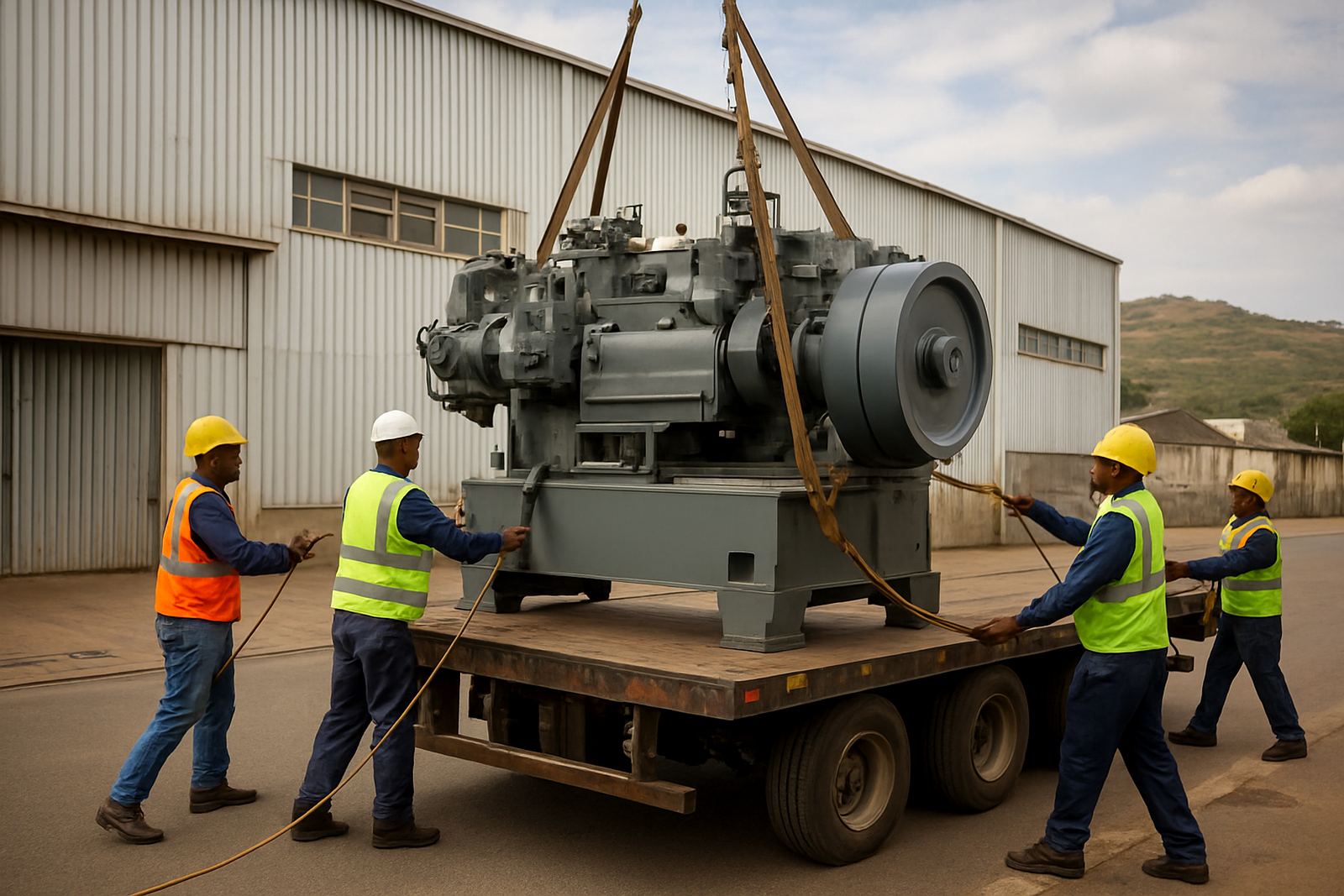
We help clients arrange cover that can include loss, theft, collision, overturning, water ingress, loading and unloading damage, and certain handling incidents at port or on site, depending on the policy chosen. For machinery, the main point is to match the insurance to the actual risk profile. A boxed spare parts shipment does not carry the same exposure as a 14-ton press, a compressor, or a road-going unit with hydraulic attachments.
Where required, we also help with:
- Declared cargo value checks against supplier invoice and freight terms
- Voyage cover for sea freight and inland transit extension for road legs
- Cover for transhipment delays caused by handling incidents, where available
- Protection for loading and offloading damage at collection point or destination
- Documentation support for claim packs, including packing lists, waybills, photos, and survey notes
For sensitive loads we may recommend extra care around moisture protection, tarpaulin specification, or anti-corrosion wrapping. If the machine has control panels, motors, or electronic modules, the risk profile is different from a purely mechanical item and that must be reflected in the cover.
How we set up the cover, step by step
The process starts with the commercial invoice, packing list, transport mode, route, and cargo description. We then check the declared value, origin, destination, incoterms, and any known handling issues such as abnormal width, lift points, centre of gravity, or the need for a crane. Once we have the shipment details, we assist with the insurance submission and confirm what is included before the cargo moves. Most standard policies can be arranged quickly once the paperwork is in hand, often the same working day for straightforward shipments.
Typical steps are:
- Submit invoice, packing list, route, and cargo description
- Confirm value basis, excess, and required cover scope
- Issue instructions for sea leg, road leg, or both
- Review certificate or schedule before dispatch
- Keep the policy file together with freight documents for claims later
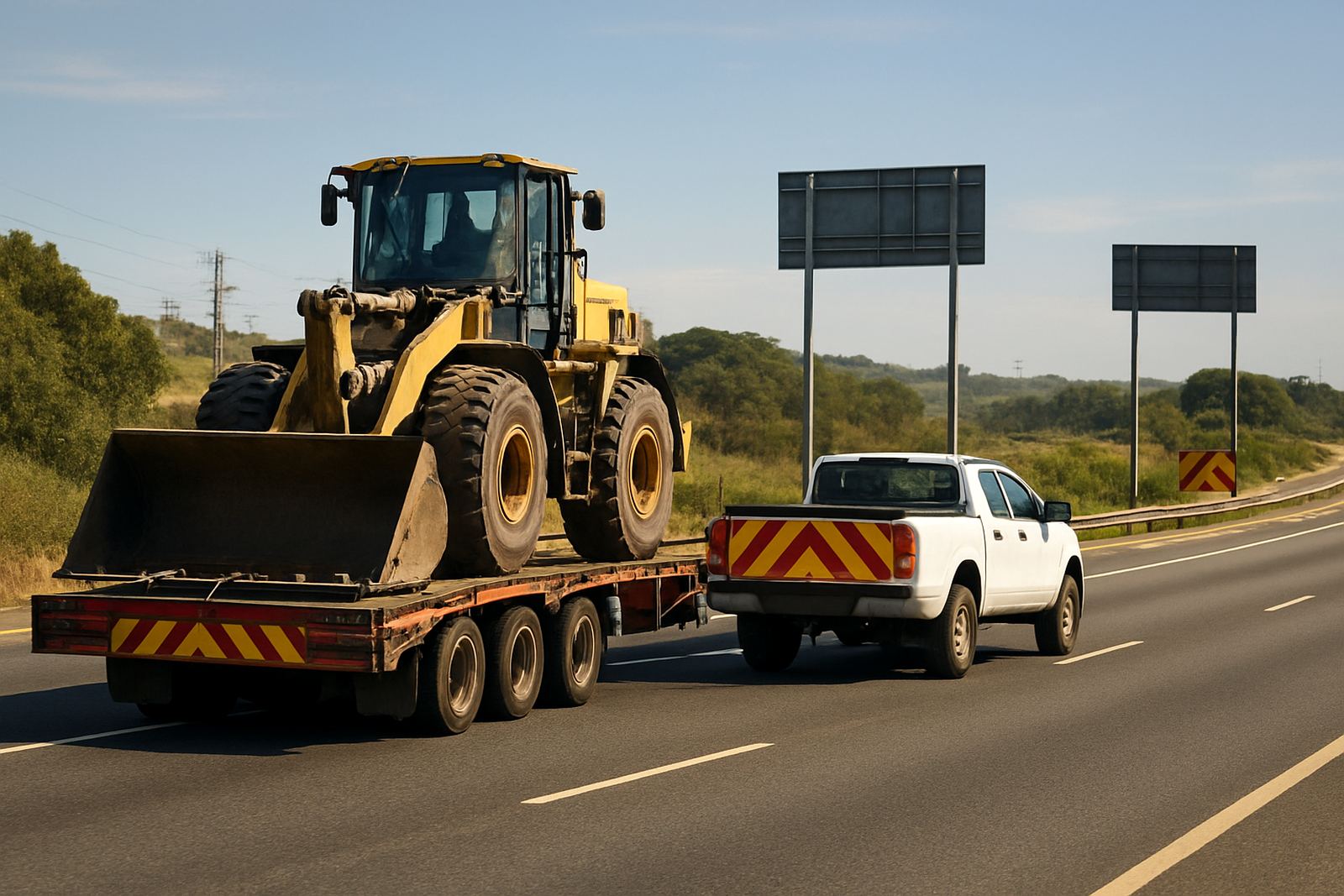
Where the cargo travels between Durban and Johannesburg, or from Cape Town into inland provinces, we make sure the inland portion is not left exposed after discharge. This is a common gap on machinery moves, especially when the client assumes the sea cover carries through to the final yard.
Turnaround times, pricing and when to review the cover
For standard machinery shipments with complete documents, turnaround is usually fast. Simple cover can often be arranged within 2 to 4 working hours during business time, while more detailed cargo with special handling may take longer if the route or machinery description needs clarification. If a shipment is urgent and the vessel closes same day, we prioritise the information needed for cover first, then tidy the file for records immediately after. That keeps the cargo moving without unnecessary delay.
Pricing depends on cargo value, route, mode of transport, packaging, age and condition of the machinery, destination, excess amount, and whether the move is local, regional, or long haul. We do not quote a flat rate without checking the load because a small control unit and a 20-foot container of plant parts carry very different risk. Our approach is to compare the shipping facts against the cover required, then explain the premium basis clearly so the client can budget properly.
We recommend a review of cargo cover every shipment for single moves, and at least every 6 to 12 months for clients moving regular loads. If the business starts shipping heavier units, working on coastal routes, or handling more offshore equipment, the cover should be adjusted. A policy that was fine for spares last quarter may be short of value for a machine move this month.
Maintenance intervals for repeat machinery shipments
For companies shipping every month, cargo insurance should be treated as part of the freight maintenance cycle, not a once-off admin item. We suggest a basic check before each dispatch, a quarterly review of values and routes, and an annual file audit where all claims history, excess levels, and common damage points are looked at together. That helps catch repeated risks such as poor wrapping, forklift marks, or water exposure during Durban wet season.
Regular maintenance of the cargo insurance file should include:
- Updating machine values after repairs, upgrades, or depreciation changes
- Checking whether road legs now run through different depots or border posts
- Confirming that loading equipment and lifting methods still match the policy wording
- Reviewing if any route now needs extra cover for theft or delay exposure
- Keeping photos of cargo condition before loading and after offloading
This is especially useful for fleet operators and automotive businesses with repeat shipments into South Africa and neighbouring countries. The paperwork stays current, claim handling is easier, and there are fewer arguments later about what was meant to be covered.
Claims support when cargo is damaged or goes missing
If something goes wrong, speed matters. We help clients assemble the claim pack with the right papers and the right sequence, which usually includes the policy schedule, invoice, packing list, transport waybill, photos, delivery note, and any exception report from the carrier or terminal. The quicker the incident is recorded, the better the chance of getting a proper outcome without long back-and-forth.
For machinery claims, evidence around packaging, stowage, and offloading is important. A bent frame, cracked housing, or wet electrical cabinet may look obvious to the site team, but the insurer will still want the facts: where the loss happened, who had custody, what the cargo looked like before loading, and whether there was a visible external cause. We guide clients through that practical side so the claim file is complete from day one.
Key facts
| Service type | Cargo insurance arrangement for machinery and freight |
|---|---|
| Main routes | Durban harbour corridor, Johannesburg, Cape Town, and regional African lanes |
| Cargo types | Industrial machinery, fleet equipment, automotive units, spares, and plant components |
| Turnaround | 2 to 4 working hours for standard shipments with complete documents |
| Review interval | Every shipment for single loads, quarterly for repeat movers, annual file audit |
| Required inputs | Commercial invoice, packing list, route, mode, cargo value, and handling details |