What a conveyor system does on site
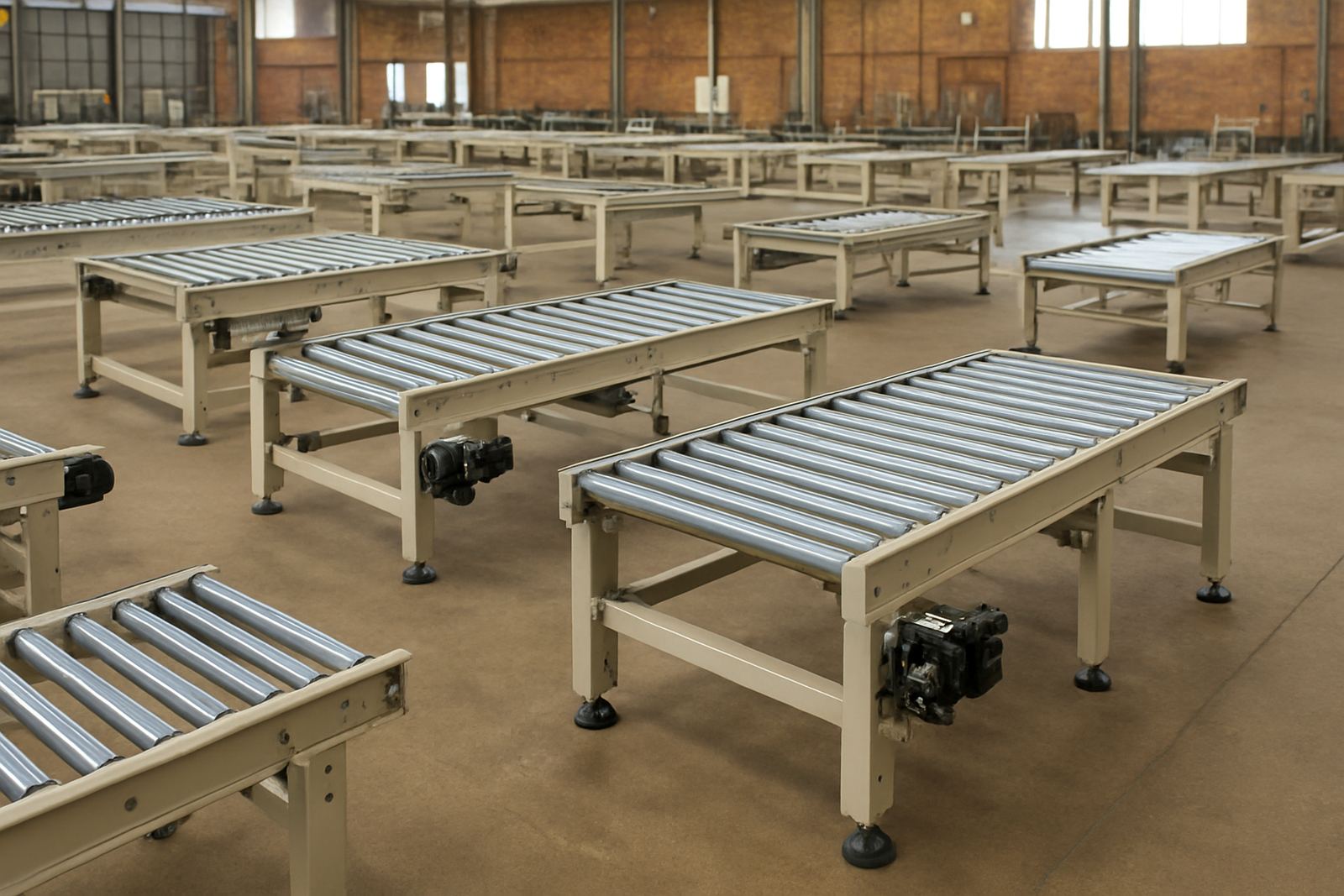
A conveyor system moves goods from one point to another at a steady pace, usually on rollers, belts or chains. In South African operations it is often used to link receiving, sorting, packing, weighing and dispatch areas, so product does not sit on the floor waiting for a forklift or manual carry.
For warehouses, packhouses and light industrial lines, a conveyor can cut handling time and help keep product flow more consistent during busy shifts. It also helps where staff numbers change from day to day or where load-shedding makes planning more important, because the line can be sized to match the power available on site.
- Common uses include cartons, trays, cases, bags and crates
- Available as straight runs, curves, transfers and incline sections
- Can be fixed, mobile or built into a processing line
Sizes, layouts and drive options
Conveyor systems are supplied in many widths and lengths, from short transfer units to full production runs of 20 metres or more. Belt widths often start at about 300 mm and can go up to 1 200 mm or wider depending on product size, while roller conveyors are usually selected for cartons and bins that have a firm base. Frame height is commonly set between 500 mm and 900 mm, but this can be matched to packing tables, dock level or line equipment.
Drive choice matters. Small systems may run on a single electric motor, while longer or heavier lines may use multiple drive points. Speed can be fixed or variable, which helps where you need to slow product for inspection or speed it up for dispatch. In humid coastal areas like Durban and Paarden Eiland, galvanised or stainless steel parts are worth considering, especially where washdown is part of the routine.
- Widths: typically 300 mm to 1 200 mm plus
- Lengths: from 2 m sections to full lines over 20 m
- Frame materials: painted steel, galvanised steel or stainless steel
- Drive: electric motor, variable speed drive or multi-drive layout
Where a conveyor system suits best
Conveyor imports are common for warehouses, packhouses, cold rooms, bottling areas, sorting lines and light manufacturing sites. In the Durban harbour corridor and inland freight nodes such as Jet Park and City Deep, they are often used where product must move quickly between receiving, staging and loading. In food and agri handling, they help reduce damage to fruit, vegetables and packed goods. In automotive and fleet-related operations, they are often used for parts handling and dispatch sorting.
The right system depends on the product weight, floor space and the way staff work around it. A packhouse may need easy washdown and gentle transfer points, while a warehouse might need long straight runs, side guides and simple stop-start control. If the site has narrow passages or uneven floors, that should be checked before shipment so the line arrives with the right supports and height adjustments.
- Warehouses and dispatch centres
- Packhouses and cold-chain facilities
- Processing and sorting lines
- Light industrial and automotive parts handling
Installation, power and site readiness
Before installation, the floor plan should be measured carefully, including door widths, column positions, dock heights and turning space for forklifts. A conveyor system may need anchor points, levelling feet or floor plates, and in some cases a raised platform or transfer bridge. It is better to check this before shipping than to find out on the day that the unit will not clear a doorway or line up with an existing machine.
Power needs depend on the motor size and control setup. Many small to medium conveyors run on standard three-phase supply, but the exact voltage and control panel requirements must be confirmed against the import documents and site supply. Where load-shedding is part of the daily plan, some clients pair the system with backup power or run it in timed shifts. If the line includes sensors, emergency stops or control boxes, the cable routing and surge protection should be planned in advance.
- Check floor level, doorway clearance and loading bay access
- Confirm voltage, phase and motor rating before ordering
- Plan for emergency stops, guards and cable routing
- Allow space for maintenance access and cleaning
Care, servicing and spare parts
Good care keeps a conveyor moving reliably. Belts should be checked for tracking, tension and wear, while rollers and bearings need regular cleaning and lubrication where the design allows it. In dusty or coastal environments, buildup on moving parts can shorten service life and create unnecessary strain on motors. If the conveyor handles wet produce or washed containers, drainage and corrosion control are important too.
Routine servicing should include inspection of guards, switches, drive chains, motors and belts. It also helps to keep a record of spare parts such as belts, rollers, sensors, pulleys and contactors. That makes it easier to deal with breakdowns quickly, especially where stock must keep moving through a busy season.
- Inspect belts, chains, rollers and guards on a set schedule
- Clean dust, fruit residue and packaging debris regularly
- Keep spare belts, bearings and sensors on hand
- Record motor details, serial numbers and part sizes
What to check before you order
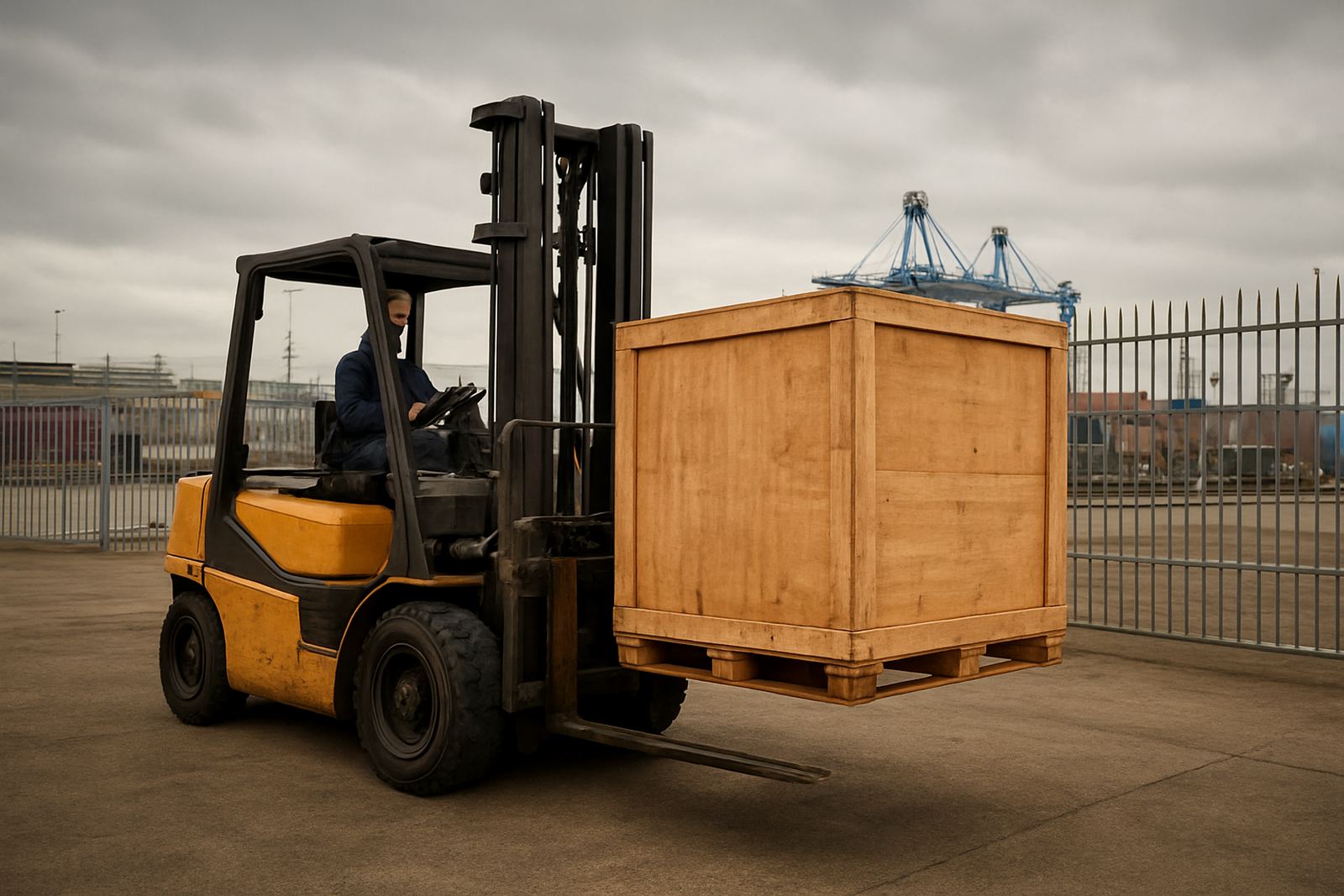
When ordering a conveyor system, start with the product type, weight and expected hourly volume. A unit that works for light cartons may not suit full bins or wet produce. You should also confirm the direction of flow, entry and exit points, whether the line needs curves or a transfer, and if the system must run with existing machinery. For imported equipment, the shipping dimensions and crate sizes matter just as much as the working size.
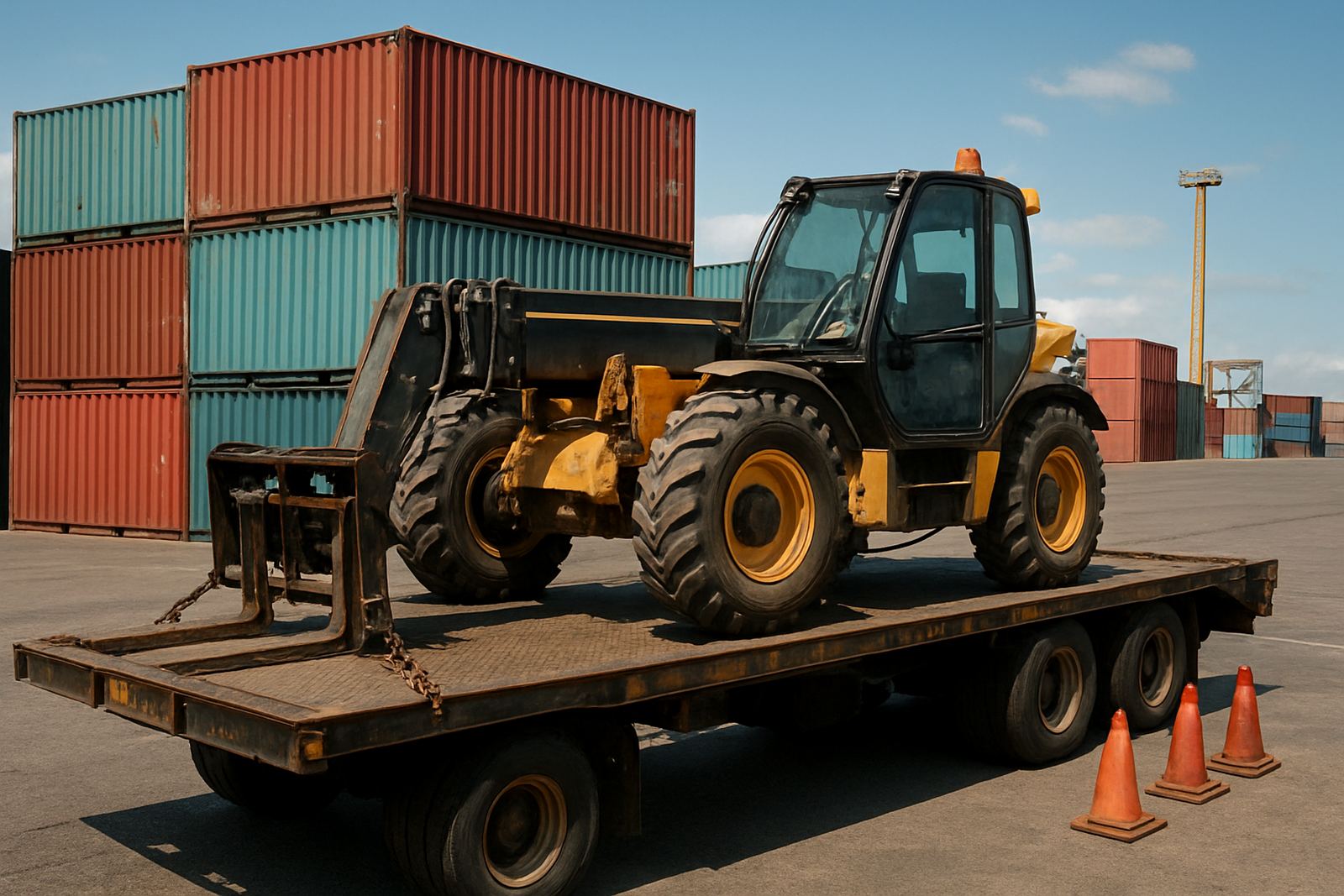
We also check customs code details, documents, insurance cover and inland transport before the shipment leaves port. That matters when the load is going into Durban, Umbilo, Springfield Park, Jet Park, City Deep or Paarden Eiland. Clear paperwork helps avoid delays, storage charges and unnecessary back and forth at the port.
- Product weight, size and surface type
- Required line speed and daily throughput
- Power supply and control requirements
- Crate dimensions, mass and offloading access
- Spare parts list and service intervals
Key facts
| Product type | Imported conveyor system for warehouse, packhouse and processing use |
|---|---|
| Typical widths | 300 mm to 1 200 mm plus, depending on product and layout |
| Typical lengths | 2 m sections to full lines over 20 m |
| Frame options | Painted steel, galvanised steel or stainless steel |
| Power | Electric motor driven, with fixed or variable speed options |
| Use case | Cartons, crates, trays, bags, bins and light industrial flow handling |