What a forklift is used for in day to day operations
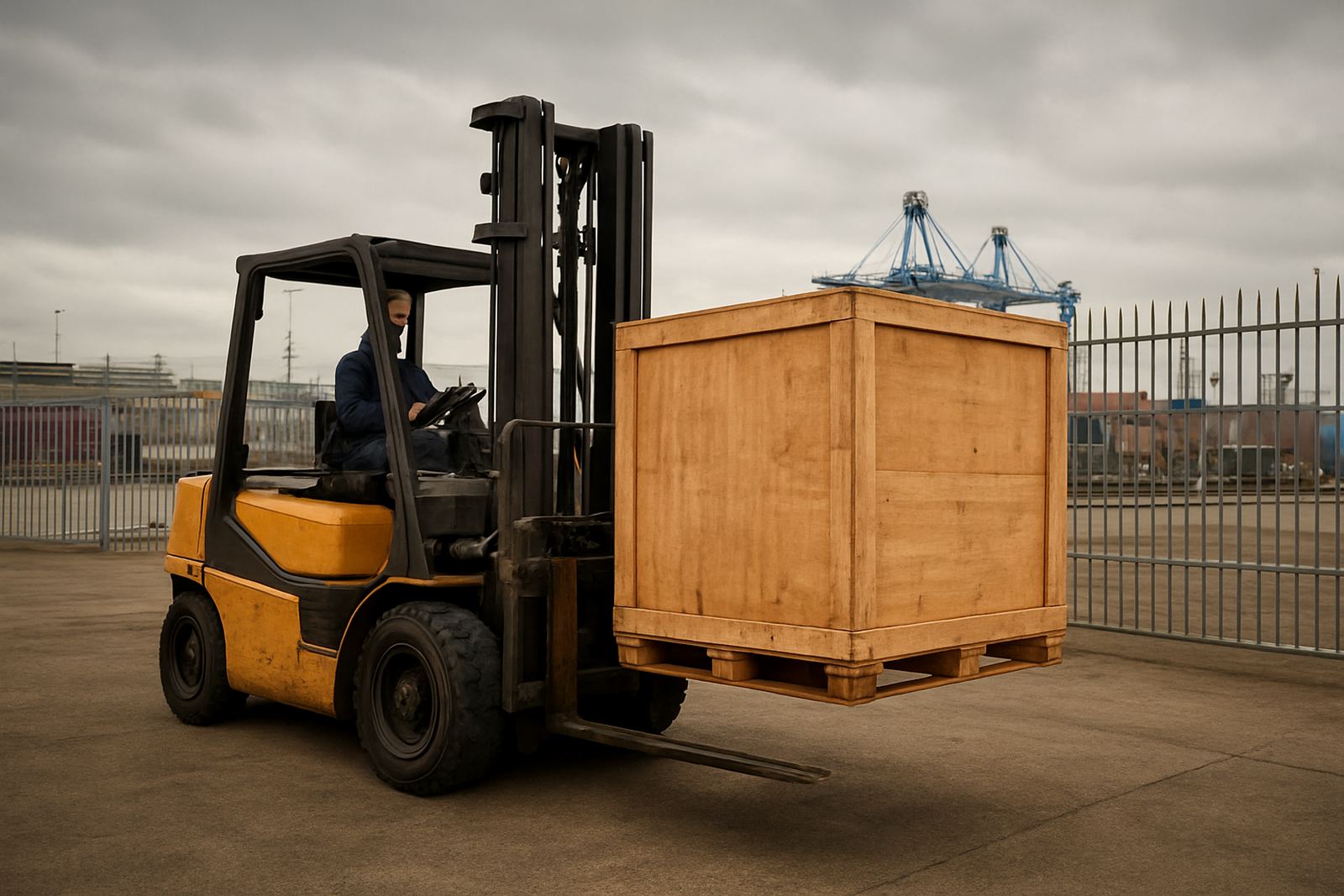
A forklift is a powered lifting machine used to move pallets, crates, drums, and packed materials over short distances. In a warehouse or factory it saves labour, cuts handling time and helps keep goods moving when orders come in bulk or space is tight. For businesses that load trucks daily, or shift stock between a yard and a store room, the right unit makes a plain difference to turnaround times.
Forklifts are common in Durban port side depots, Springfield Park factories, Jet Park distribution yards, City Deep freight facilities and Paarden Eiland workshops. They also suit agricultural packhouses, cold rooms, service centres and any site where goods need to be lifted from ground level onto racking or trailers. If your operation deals with freight delays or load-shedding, a good forklift can keep work moving when the rest of the yard is under pressure.
Forklift sizes, lifting heights and power options
Forklifts come in different lifting capacities, mast heights and power systems. The right choice depends on what you lift, how high you stack, and whether the machine will work indoors, outdoors or both. Small electric units suit tighter aisles and enclosed buildings, while diesel and LPG models are better for rough yards, long shifts and mixed weather.
- Lifting capacity: common ranges are 1.5 ton, 2 ton, 2.5 ton, 3 ton, 4 ton and 5 ton
- Lifting height: often from 3 m to 6 m, with higher masts available for racking
- Tyres: cushion tyres for smooth floors, pneumatic tyres for uneven surfaces
- Power: electric battery, diesel or LPG depending on duty cycle and air flow
- Attachments: side shift, fork positioner, drum clamps and bale clamps where needed
For coastal use in Durban, a unit with proper corrosion protection is worth considering because salt air and humidity can shorten service life if the machine is not kept clean. In inland areas such as Johannesburg, dust and heat can affect filters and cooling, so servicing intervals should be planned properly.
Where forklifts suit best and when they are not the right fit
Forklifts suit palletised cargo, stacked stock, steel parts, packaging materials and general warehouse handling. They are ideal for depots that receive mixed freight, factories with loading bays and yards that need regular truck turnaround. They also work well where items must be moved quickly from receiving to storage, then out again without double handling.
They are less suited to very narrow pedestrian areas, soft ground after rain, or sites with no proper load bearing surface. If the floor is cracked, the yard has potholes, or the ramp is too steep, those issues should be sorted before delivery. Municipal by-laws and site rules can also affect operating times at business parks and port related premises, so access and offloading must be checked early.
- Best for pallets, crates, drums and boxed goods
- Works well in warehouses, factories, freight depots and open yards
- Needs clear turning space, level ground and marked travel paths
- May need a trained operator and daily inspection log
Import planning, delivery and site offloading
Forklift imports need proper planning before the machine leaves the port. That includes tariff classification, customs clearing, shipping coordination, port collection, inland transport and if required bonded storage. We manage these steps for clients bringing in single machines or several units at once, and we can route delivery to Durban, Johannesburg, Cape Town or other operating areas by arrangement.
Offloading must match the site setup. A forklift may need a crane, lowbed, ramp or side loader depending on weight and access. For a business in Umbilo or Springfield Park, the delivery can often be arranged directly to the premises. For sites in City Deep or Jet Park, access times and security procedures should be confirmed in advance, because some yards have tight gate controls and limited turning space.
Good document management matters too. If papers are incomplete, the machine can sit longer than planned and storage fees add up quickly. That is why we check invoice details, serial numbers, origin papers and loading lists before the shipment moves, not after.
Installation, power checks and fuel setup
Most forklifts do not require a complicated installation, but they do need the right prep before first use. Electric units need charging space, a suitable battery charger, ventilation and a floor that can take the machine weight. LPG units need a safe cylinder change area and clear storage of gas bottles. Diesel units need fuel handling that meets site safety rules and proper exhaust clearance for enclosed areas.
Before handover, it helps to confirm the following:
- Floor loading and ramp strength at the point of entry
- Clear headroom for mast lift and doorways
- Charging voltage, plug type and cable length for electric units
- Fuel type, tank access and ventilation for diesel or LPG machines
- Operator training and site safety signs
When a site runs during load-shedding, electric forklifts need battery management that fits the work day. In some operations a second battery or planned charging window avoids downtime, especially where dispatch must continue after hours.
Maintenance, servicing and what to confirm before you buy
Forklifts work hard and should be serviced on schedule, not only when a fault appears. Daily checks should cover tyres, forks, chains, brakes, warning lights, leaks and battery condition if the unit is electric. Weekly checks can cover mast movement, steering, fluid levels and any noise that was not there before. In coastal towns, rust prevention and wash-down routines matter more than people think.
Before ordering, confirm these details so the machine suits your operation and not the other way around:
- Expected load weight and load centre
- Maximum lift height needed for racking or stacking
- Indoor or outdoor use, or both
- Floor condition, yard surface and gradient
- Power supply or fuel preference
- Spare parts access and service support after delivery
If you are comparing forklifts for a warehouse in Durban or a depot in Cape Town, ask for the real working dimensions and not just the brochure figure. Fork tines, mast height when lowered, and turning radius can decide whether the unit fits through your aisles or not.
Key facts
| Product type | Forklift for warehouse, factory, depot and yard handling |
|---|---|
| Typical capacities | 1.5 ton to 5 ton, with heavier units available on request |
| Lift height | 3 m to 6 m common, higher mast options available |
| Power options | Electric battery, diesel or LPG |
| Main services | Import planning, shipping coordination, customs clearing and inland transport |
| Key delivery areas | Durban, Umbilo, Springfield Park, Jet Park, City Deep and Paarden Eiland |