
What a curtain side trailer is and why operators use it
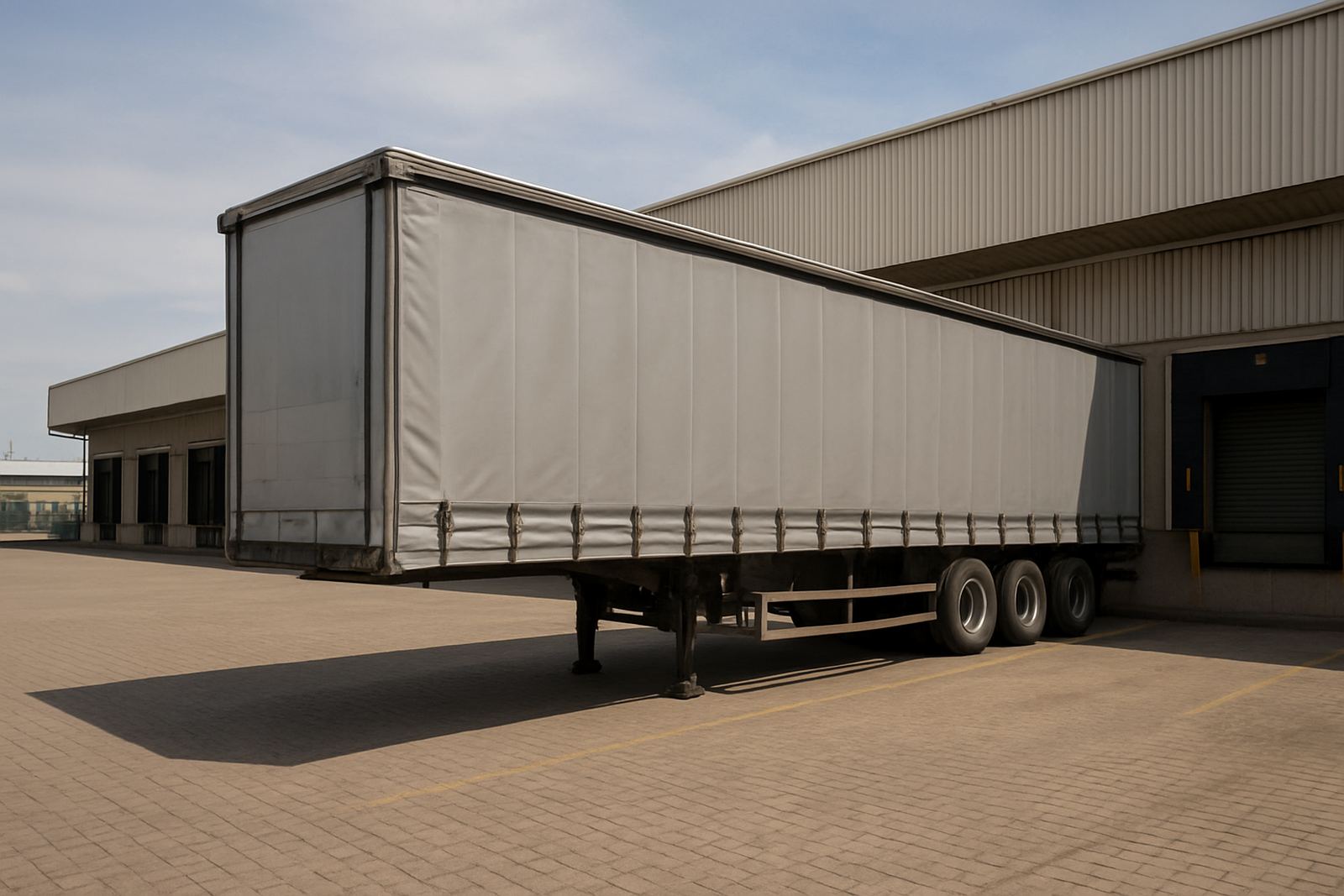
A curtain side trailer is a trailer with sliding side curtains rather than fixed solid panels, so cargo can be loaded from the side with a forklift or from the rear with a dock. This makes it a practical option for fleet operators moving packaged goods, retail stock, building materials and palletised freight where fast turnarounds matter.
For South African operations, the trailer works well where loading bays are busy, space is tight, or the cargo needs protection from rain, road spray and dust. In Durban’s humidity, and on coastal routes where salt air can be hard on fittings, the right spec helps reduce wear on buckles, runners and frame connections. It also helps during load-shedding because off-site loading plans often need to be tighter and quicker.
We clear curtain side trailers for businesses bringing units into South Africa, whether for fleet expansion or replacement stock. Our team handles the paperwork, tariff classification and port collection so the trailer can move from the harbour corridor to your depot without unnecessary delays.
Common sizes, axle set-ups and trailer options
Curtain side trailers come in a few common lengths and load layouts. The most used sizes are 12.2 m semi-trailers, 13.5 m units and shorter custom builds for regional delivery work. Width is usually around 2.45 m to 2.55 m, with internal height from about 2.6 m to 2.8 m depending on chassis and roof profile. Operators needing higher cube capacity often choose taller bodies, but that must still stay within road legal limits and route permissions.
Axle configuration is normally matched to payload and road use. A tri-axle set-up is common for heavier freight, while tandem axle units suit lighter regional work. Some trailers are fitted with air suspension for better cargo protection on longer runs between Durban, Johannesburg and the Cape. Others use a simpler suspension package where the main need is practical freight movement and lower maintenance cost.
- Manual or sliding curtain systems for side loading
- Rear doors, barn doors or roller shutter rear access
- Load bars, straps and pocket rails for mixed cargo
- Optional pallet box, tool box or spare wheel carrier
- Safety marking, reflector kit and border-ready documentation
Where a curtain side trailer suits best
This trailer is a strong fit for fleet operators who need flexible loading at warehouses, distribution yards and cross-dock points. It works especially well for palletised stock, cartons, white goods, automotive components and mixed freight that must be secured neatly for long distance transport. For companies working out of Springfield Park, Jet Park or City Deep, the side access can cut loading time quite a bit.
It is also useful for seasonal logistics, especially when stock changes often and the trailer has to handle different sizes of cargo in one week. On routes into inland sites, the side curtain allows quicker access where a full side dock is not available. If the trailer is expected to run near the coast, or stand outside for long periods, ask for corrosion protection on the frame and fittings so the unit lasts better in wet weather.
We also see good use in automotive and fleet support work, where parts, tyres and service equipment need orderly loading. For businesses moving between Durban harbour, Umbilo, Paarden Eiland and inland depots, the trailer offers a decent balance between access and protection.
Import clearing, shipping and inland movement
Machines Africa Hub manages the import process from the first booking to final release. That includes import planning, shipping coordination, customs clearing, tariff classification, cargo insurance, bonded storage and document management. We also arrange port collection and inland transport when the trailer needs to move from Durban to Johannesburg, Cape Town or a regional depot.
For curtain side trailers entering through Durban harbour, the key is getting the classification, supporting documents and release instructions correct before arrival. That avoids storage charges, inspection delays and unnecessary truck standing time. If the trailer is going into a fleet operation, we can also assist with site offloading arrangements at your premises, which is useful where access is tight or the yard surface is uneven.
Our clearing counters in Johannesburg and Cape Town support clients that want faster handling on inland moves. If the shipment needs bonded storage while you finalise permits or payment, we can hold the cargo under the right controls until dispatch. It saves back-and-forth and keeps the handover clear.
Installation, power and gas needs
A curtain side trailer does not need permanent installation in the way powered equipment does. The main setup items are mechanical and operational: correct coupling to the prime mover, brake checks, lighting checks, curtain tensioning and load restraint gear. If the trailer is supplied with accessories such as refrigeration add-ons, tracking units or lift equipment, then electrical connections and power requirements must be checked in advance.
Most standard curtain side trailers have no gas requirement. If you are ordering a specialised unit with auxiliary systems, ask for the exact power draw, connector type and mounting position. That matters when the trailer will be worked at depots where power supply is limited or where there are generator constraints during load-shedding. A bad fit here can slow the whole operation.
- Confirm tow vehicle height and coupling type
- Check trailer floor rating against your cargo weight
- Verify reflector and lighting compliance for night running
- Plan for wheel chocks, straps and load bars at site
- Allow space for curtain pullback on both sides
Upkeep, servicing and key checks before buying
Good trailer care starts with the curtains, runners, buckles and frame. Curtains should be inspected for tears, loose stitching and water ingress. Runners and tensioning hardware need cleaning, lubrication and proper alignment. In coastal areas, salt buildup can rust fixings quicker than expected, so washing down after wet runs is worth the effort. Tyres, brake linings and air lines should be checked on a schedule, not only when there is a fault.
Before ordering, confirm the payload requirement, cargo type, route profile and the loading method at each site. A trailer that works well for local pallet runs may not suit longer line-haul work or border movements. Also check whether you need axle certification, roadworthy papers, tracking setup or special marking for your fleet policy. Small details can slow release if they are missed, so it is better to pin them down early.
If you are buying for a municipal contract, retail distribution or automotive support fleet, we can help you check the document pack and clearing requirements before shipment. That keeps the process practical and avoids last-minute surprises at the port or yard.
Key facts
| Product type | Curtain side trailer for flexible side and rear loading |
|---|---|
| Common lengths | 12.2 m, 13.5 m and custom regional builds |
| Width range | About 2.45 m to 2.55 m |
| Height range | About 2.6 m to 2.8 m internal |
| Typical axle options | Tandem or tri-axle with air or leaf suspension |
| Use case | Palletised freight, fleet operations and mixed cargo |