What a granulator does on site
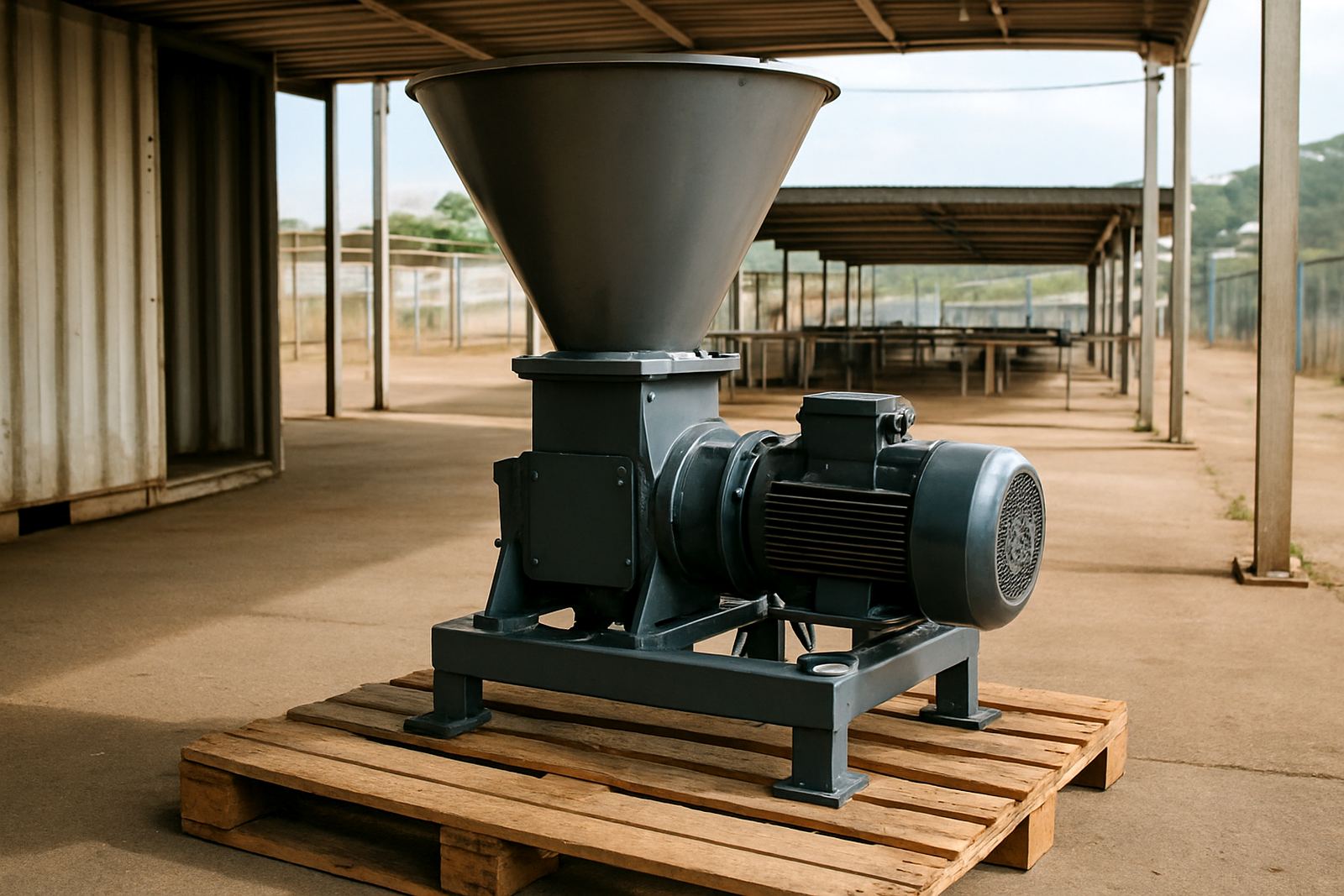
A granulator cuts or breaks down feed material into smaller, more manageable pieces for re-use, further processing, or disposal. In plastics plants it is often used after moulding, trimming, or sorting, while in recycling yards it helps reduce bulky offcuts and light scrap into a consistent size for downstream handling.
For buyers in South Africa, the main question is usually not only what the machine can process, but how it fits into the rest of the line. A unit that is too small will hold up production. One that is too large can draw more power than your site can spare and need extra extraction, screening or floor space. We help clients match the machine to the actual daily tonnage, not just the brochure figure.
- Typical use: plastics offcuts, regrind prep, light recycling, and size reduction work
- Best for: factories, scrapyards, depots, and processing plants
- Common outputs: 5 mm to 20 mm depending on screen and rotor setup
Sizes, rotor options and feed openings
Granulators are supplied in different rotor widths, motor sizes and feed hopper openings. Small units can suit workshop recovery areas, while larger machines are used in higher-volume plant rooms and recycling lines. The right choice depends on the material, the feed consistency and how often the machine will run during a shift.
For general planning, compact units may come with 300 mm to 500 mm rotor widths, while medium and larger units often sit between 600 mm and 1000 mm or more. Blade count, blade angle and screen hole size all affect the finished granule. If the feed contains metal contamination, fibre, dirt or damp material, the setup needs to be checked carefully before ordering.
- Rotor widths commonly supplied: 300 mm, 500 mm, 600 mm, 800 mm and above
- Motor ranges: about 7.5 kW to 110 kW depending on capacity
- Screen sizes: 5 mm, 8 mm, 10 mm, 12 mm, 15 mm and 20 mm
Where a granulator suits best
These units suit recycling yards, plastics manufacturers, automotive component suppliers, packaging plants and fleet support operations that need clean size reduction. In Durban’s harbour corridor, clients often want equipment that can move from container to site without long delays and then go into service quickly. In Johannesburg and Cape Town, the focus is often on space, power supply and municipal compliance for industrial premises.
Granulators can be installed indoors or under cover, but the site needs good access for forklifts, bins and maintenance. If the plant is in a coastal area like Durban or Paarden Eiland, corrosion protection matters. If the site is in Jet Park or City Deep, dust control and safe loading paths matter just as much. A clean floor plan saves time later, especially when crews are working around load-shedding schedules or shift changes.
- Good fit for: plastics reprocessing, recycling, trim recovery, and materials prep
- Useful at: factories, logistics yards, bonded storage areas and processing depots
- Site needs: access for offloading, service clearance and waste removal
Power supply, installation and site prep
Installation needs depend on the size of the machine and how it is driven. Smaller units may run on standard three-phase industrial power, while larger granulators often need a stronger supply and proper starter controls. Some sites will also need local lockout points, guarding, and emergency stops that suit South African safety requirements.
Before delivery, check the floor loading, door width, ceiling height and turning space for forklifts or cranes. A concrete base or level steel frame may be needed on heavier units. If your site is affected by load-shedding, it is worth confirming whether the machine will run through a generator or only when grid power is stable. Don’t leave that to the last minute, it can stall commissioning and upset production plans.
- Common power: 380V to 525V three-phase, depending on model
- Controls: direct-on-line, soft starter or variable speed options on some units
- Installation checks: floor strength, access routes, isolator position and ventilation
Care, servicing and wear parts
Granulators need regular care if you want a steady cut size and fewer breakdowns. Blades wear down faster when the feed is dirty, damp or mixed with hard contaminants. Bearings, belts, screens and electrical controls also need checking on a routine basis. If the machine runs near the coast, pay extra attention to rust protection and cleaning after each shift.
Daily cleaning, correct feed rates and blade sharpening go a long way. Operators should avoid overloading the hopper and should watch for noise changes, vibration and rising motor temperature. A good spare parts plan helps reduce downtime. In busy plants, a minor blade issue left unattended can quickly become a bigger repair and that's money lost for no reason.
- Routine care: clean screens, inspect blades, grease bearings and check guards
- Wear parts: knives, counter knives, screens, belts and seals
- Service interval: depends on hours run, material type and contamination levels
What to check before you order
When ordering a granulator, start with the material list. Note whether you are handling soft plastics, rigid plastics, mixed offcuts, light scrap or contaminated feed. Then confirm the target output size, daily tonnage, feed dimensions and the available power on site. If you are importing, the shipping dimensions and gross weight matter just as much as the machine specs.
It helps to confirm whether you need a standalone unit, a line-fed setup, or equipment that will sit beside a shredder, conveyor or sorting table. Ask for the operating voltage, rotor type, screen size, noise level and access requirements for servicing. We also recommend checking the discharge method, bin height and whether the machine must fit through a standard warehouse doorway or container opening. A clear order brief reduces delays at the port and on site.
- Confirm material type, contamination and target output size
- Check voltage, total kW, footprint, weight and lifting points
- Ask about blade access, spare parts and maintenance access
Key facts
| Machine type | Granulator for recycling and material size reduction |
|---|---|
| Typical rotor width | 300 mm to 1000 mm+ |
| Typical motor size | 7.5 kW to 110 kW |
| Power supply | 380V to 525V three-phase, model dependent |
| Output size | 5 mm to 20 mm with suitable screen |
| Approximate use | Plastics handling, trim recovery, recycling and light scrap reduction |