What a vibratory roller does on site
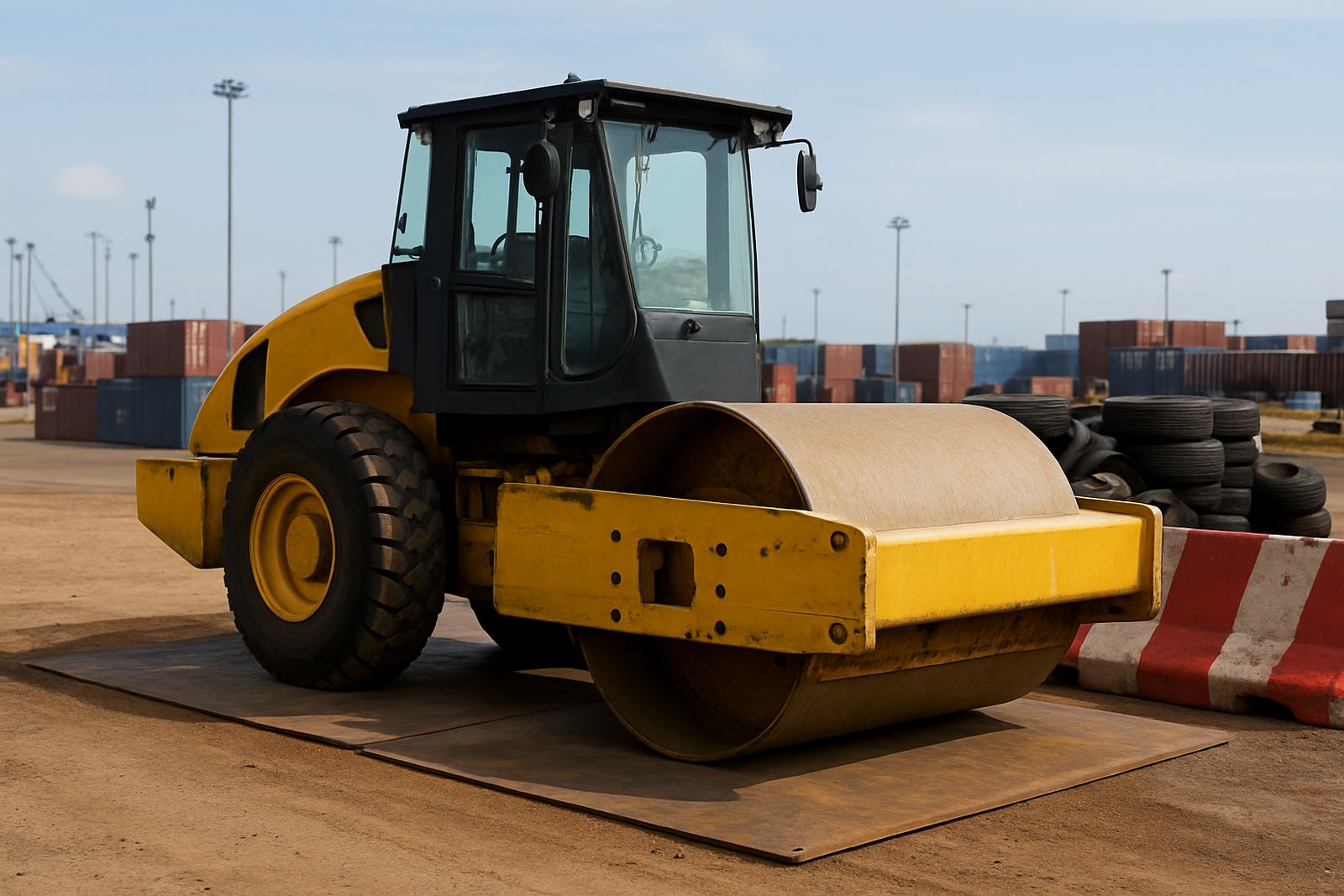
A vibratory roller is a compaction machine fitted with one or two smooth drums, or a drum and pneumatic tyres on some models. The drum uses static weight plus vibration to settle material more evenly than a plain roller, which is why these units are common on roads, parking areas, yards, service roads and trench reinstatement. On municipal jobs they are also used for layer compaction before surfacing, especially where finish quality and density matter.
These machines are not all the same. A 1 to 3 tonne unit can suit patching, small estates and narrow access areas, while 4 to 12 tonne rollers are used for heavier roadbuilding and industrial surfacing. Some contractors want a single drum machine for tight turns, others prefer a tandem unit for final asphalt finishing. The right choice depends on layer thickness, material type and how much space is available on site.
Common sizes, drum widths and working weight
When importing a vibratory roller, the key numbers are working weight, drum width, frequency and amplitude. These values decide how fast the machine compacts and what layer thickness it can handle. A small machine may have a 900 mm drum and an operating weight around 1 500 kg, while a mid-size unit may carry a 1 500 to 1 680 mm drum and weigh 6 000 kg or more. Larger road rollers can exceed 10 000 kg and need careful route planning for offloading and site access.
- Light roller: about 1 to 3 tonnes, ideal for footpaths, driveways and small municipal repairs
- Mid-size roller: about 4 to 8 tonnes, common for contractor fleets and general roadworks
- Heavy roller: 9 tonnes and above, used for roads, ports, industrial yards and large civils projects
- Drum options: single drum, tandem drum, or padfoot drum for selected soil compaction work
For coastal projects in Durban, Richards Bay or the Western Cape, buyers also ask about corrosion protection, sealed electrical connections and storage under cover. Humidity and salt air can affect paint, wiring and bearings if the machine stands too long outdoors.
Where vibratory rollers are best suited
These machines suit surfacing and compaction jobs where ground stability is critical before the final layer goes down. In practice that includes municipal roads, industrial parks, warehouse yards, airport works, pipe trench backfill and site formation. A contractor working in Umbilo, Springfield Park, Jet Park or City Deep may need a machine that can move between cramped yards and heavier road sections without frequent breakdowns.
They are also used on maintenance contracts where load shedding or weather delays can interrupt the work programme. Good compaction reduces later cracking, rutting and water ingress, which matters on roads that carry buses, delivery trucks and municipal vehicles every day. For coastal towns, proper compaction helps limit early failure from moisture movement and soft base layers.
- Road surfacing and asphalt finishing
- Sub-base and base layer compaction
- Municipal patching and trench reinstatement
- Warehouses, depots and logistics yards
- Industrial access roads and loading areas
Import, shipping and clearing through Durban, Johannesburg and Cape Town
Machines Africa Hub arranges import planning, shipping coordination, customs clearing and port collection for vibratory rollers entering South Africa through Durban harbour, with inland handling through Johannesburg and Cape Town. We work on documentation early because these machines often need the right tariff classification, accurate serial numbers, packing details and proof of value before release can happen. A missing plate number or unclear invoice can hold a roller at port and create storage costs fast.
For clients in the Durban harbour corridor, we can manage bonded storage, inland transport, cargo insurance and site offloading. For Gauteng and the Cape, we coordinate movement through City Deep, Jet Park and Paarden Eiland. If the machine is oversize, we check route constraints, offloading equipment and local by-laws before booking transport.
- Import planning and document review
- Customs clearing and tariff classification
- Port collection and inland transport
- Bonded storage where required
- Site offloading at yard or project location
Power, fuel and installation needs
Most vibratory rollers are diesel powered, which makes them practical for outdoor worksites and remote municipal projects. Smaller units may have simple electric starters and basic hydraulics, while larger machines can include water spray systems, road lights, reversible seats and cab controls. Some imported units arrive with a roller mat or edge cutting attachments, but the buyer should confirm whether these are included or fitted locally.
Installation is usually straightforward, but there are still practical checks. The machine must be offloaded on level ground, fuelled with the correct grade, inspected for shipping damage and tested for vibration settings before going into service. If the roller will be used in a sealed depot or enclosed yard, ventilation matters because diesel exhaust can build up quickly.
Servicing, wear items and what to check before ordering
Vibratory rollers work hard, so servicing should be planned from day one. Drum bearings, vibration isolators, hydraulic hoses, water spray nozzles and tyres on combination units need regular attention. On machines that run near the coast, wash-down after use and proper grease intervals help prevent premature wear. For contractors operating through winter or during wet months, standing water and mud can also affect drum performance and braking.
Before placing an order, check the exact model, transport dimensions and the support parts that will come with it. Ask for the drum width, operating weight, engine power, vibration frequency and whether the machine is suitable for asphalt or soil. Also confirm if the cab has ROPS or FOPS protection, if lights are included for early starts, and whether the service manual and compliance paperwork are part of the shipment.
- Model, serial number and year of manufacture
- Operating weight and transport dimensions
- Drum width, frequency and amplitude
- Fuel type, engine power and emission level
- Tyres, water system, lights and safety frame
- Spare parts package and service records
Key facts
| Machine type | Vibratory roller for compaction and surfacing work |
|---|---|
| Typical operating weight | 1 500 kg to 12 000 kg plus, depending on model |
| Drum width | About 900 mm to 2 150 mm |
| Power | Diesel engine, commonly 20 kW to 100 kW plus |
| Use cases | Roads, yards, trenches, municipal and industrial projects |
| Support services | Import planning, clearing, transport, storage and site offloading |